





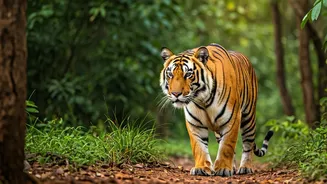


The Real First Step: Ethical Planning
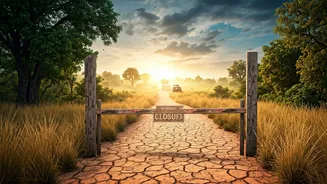
The single most important lesson for any aspiring wildlife tourist is that a successful trip isn't booked last minute. For India's premier national parks like Ranthambore, Jim Corbett, or Kanha, safari permits are limited and must be booked months in advance—often
90 to 120 days ahead. This regulated system is designed to protect the fragile ecosystems from over-tourism. Waiting until the last moment often leads to disappointment or reliance on expensive, non-guaranteed bookings. Your journey begins at the planning stage, understanding that these are protected homes for animals, not just tourist destinations. Ethical tourism also means choosing the right operators—those who are certified, employ local naturalists, and contribute to conservation efforts. A good operator will never promise a tiger sighting but will promise an immersive, respectful forest experience.
The Art of Being a Guest
Once inside the park, the fundamental rule is to be a quiet, respectful guest. Wild animals have a private space, and crossing that boundary can cause stress or provoke a defensive reaction. This means maintaining silence, avoiding sudden movements, and never getting down from the vehicle unless at a designated spot. Your guide knows the forest and its inhabitants; their instructions are paramount for your safety and the well-being of the animals. Wearing earth-toned clothing like green, brown, or khaki helps you blend in, while bright colours can startle wildlife. It's also wise to avoid strong perfumes or scents, as animals have a powerful sense of smell that can be disrupted by foreign fragrances.
Patience Over Pursuit
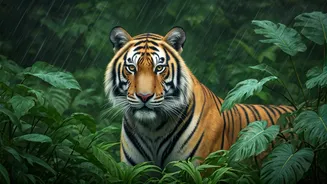
Many first-time visitors make the mistake of having a 'tiger-or-bust' mentality, creating pressure to chase sightings. This often leads to safari jeeps speeding or crowding an animal, causing it immense stress. The true lesson of the jungle is patience. A safari is not a zoo; sightings are never guaranteed. The magic lies in the waiting, in listening to the forest's sounds—the alarm call of a deer, the rustle in the bushes. A knowledgeable guide can interpret these signs, which are often more thrilling than the sighting itself. By focusing only on the big predators, tourists miss the incredible biodiversity that makes up the entire ecosystem—the birds, the smaller mammals, the plant life. A rewarding trip is one where you appreciate the whole story of the forest, not just its most famous character.
The Responsible Photograph
In the age of social media, the urge to get the perfect shot is strong, but it should never come at the animal's expense. Flash photography is strictly prohibited on safaris as the sudden burst of light can startle, blind, or scare animals, disrupting their natural behaviour. It’s better to use a camera with good low-light capabilities or a zoom lens to capture moments from a respectful distance. The goal is to be an invisible observer. Avoid asking your driver to get dangerously close or go off-track for a better angle. Furthermore, the ethical mindset extends beyond the park gates. Never support experiences that involve touching, riding, or taking selfies with wild animals, as these are often tied to cruelty and the illegal wildlife trade.
Leave No Trace, Support Local
The principle of 'leave no trace' is paramount. This means carrying all your waste, especially plastics, out of the park with you. Littering is not only unsightly but can be harmful to animals if ingested. Similarly, feeding animals is strictly forbidden as it disrupts their natural foraging habits and can make them aggressive or dependent on humans. A truly responsible trip also involves supporting the local communities that live on the fringes of these parks. They are often the front-line guardians of the forest. By staying in locally-owned lodges, buying authentic handicrafts, and ensuring your tourism money benefits the local economy, you create a positive feedback loop where the community has a stake in conservation. This ensures that wildlife is valued alive and protected, making your trip a force for good.