


Why Choose Natural Sprays?
Opting for natural pest control solutions like neem oil and insecticidal soap is a great way to protect your garden without introducing harsh chemicals. These methods are biodegradable and target specific pests, largely sparing beneficial insects like bees
and ladybugs when applied correctly. They are a cornerstone of organic gardening, ensuring the fruits and vegetables you grow are healthy for your family and the environment. Unlike many synthetic pesticides, pests do not build up resistance to these physical modes of action.
Understanding Neem Oil’s Power
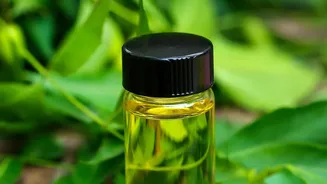
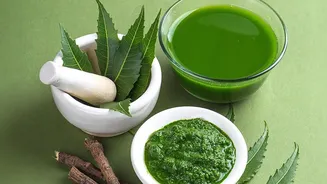
Neem oil is a vegetable oil pressed from the fruits and seeds of the neem tree (Azadirachta indica), which is native to India. Its power lies in a compound called azadirachtin, which works in multiple ways. It acts as a repellent, an 'antifeedant' that makes insects stop eating, and a hormone disruptor that can prevent insects from growing and reproducing. While it doesn't always kill on contact, it effectively disrupts the life cycle of over 200 species of insects, including common nuisances like aphids, mealybugs, whiteflies, spider mites, caterpillars, and even some fungal diseases like powdery mildew.
How to Mix and Apply Neem Oil
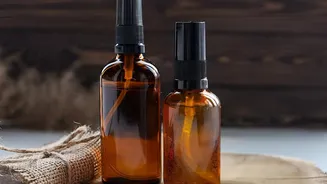
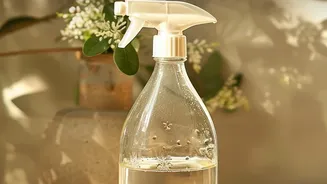
To create a basic neem oil spray, you'll need three things: high-quality cold-pressed neem oil, a mild liquid soap, and water. The soap acts as an emulsifier, allowing the oil and water to mix. A standard recipe is to combine 1 teaspoon of neem oil with ½ teaspoon of mild liquid soap (like castile soap) in 1 litre of warm water. Shake the mixture vigorously in a spray bottle. It's crucial to use the mixture within eight hours, as the active compounds begin to degrade. The best time to spray is in the early morning or late evening to avoid the hot sun, which can cause the oil to burn plant leaves. Always do a patch test on a small leaf and wait 24 hours to ensure the plant isn't sensitive before spraying the entire plant. Thoroughly coat all surfaces of the leaves, especially the undersides where pests often hide.
Plants Sensitive to Neem Oil
While neem oil is safe for most plants, some are more sensitive. Tender herbs like basil, parsley, and cilantro can be susceptible to leaf burn. Delicate leafy greens such as lettuce and spinach, as well as plants with fuzzy leaves like African violets, may also react poorly. Some flowering plants like orchids and impatiens can be sensitive, so it's always best to perform a spot test, especially on young seedlings or plants that are stressed.
The Simplicity of Soapy Water
An even simpler solution, insecticidal soap spray, is highly effective against small, soft-bodied insects. It works on direct contact by washing away the insect's protective outer wax layer, causing it to dehydrate and die. This method is most effective for controlling pests like aphids, mealybugs, spider mites, thrips, and whiteflies. Because it only works on contact and has no residual effect, it is very safe for beneficial insects that arrive after the spray has dried. However, it is not effective against hard-bodied insects like beetles.
Creating the Perfect Soap Spray
To make a simple insecticidal soap spray, use a pure soap rather than a detergent. Many dish soaps are actually detergents and can be too harsh, stripping the protective coating from plant leaves. A mild, pure liquid soap like castile soap is a great choice. A common ratio is to mix 1 to 2 teaspoons of soap per litre of water. Another recipe suggests using 2.5 tablespoons of liquid soap mixed with 2.5 tablespoons of vegetable oil in a gallon of warm water. Mix gently to avoid creating too much foam. Just like with neem oil, it is wise to test the spray on a small part of the plant first.
Best Practices for Application
When applying soapy water, complete coverage is key. The solution must physically coat the pests to be effective. Be sure to spray the undersides of leaves and the joints of stems. Apply the spray in the cooler parts of the day, like early morning or evening, to prevent leaf scorch and allow the solution to work before it evaporates. For sensitive plants like ferns, nasturtiums, or certain fruit trees, you may want to rinse the plant with clean water a few hours after application to remove any soap residue. Since soapy water only works on contact, you will need to reapply it every few days as new pests appear.