



Why Air Circulation Is Everything
The core of monsoon shoe care is defeating humidity. When shoes are packed tightly together in a closed cabinet, moisture from the air and residual sweat gets trapped. This creates the perfect breeding ground for bacteria and mould, which thrive in dark,
damp environments. These microbes not only cause unpleasant odours but also degrade shoe materials, weakening glue and causing leather to warp. Ensuring there is enough space for air to move between each pair is the first and most critical step in preventing this damage. An open, well-ventilated storage area allows this moisture to evaporate, keeping your shoes fresh and extending their lifespan.
The Pre-Storage Clean and Dry
Never store damp or dirty shoes. Even if they look dry, they might still hold moisture. If your shoes get wet, your first job is to clean and dry them properly. Wipe away any mud or dirt immediately. To dry them, avoid direct heat from a hairdryer or the sun, as this can cause materials like leather to crack and warp. The best method is to stuff them with crumpled newspaper or paper towels, which will absorb the internal moisture. You can then let them air-dry in a well-ventilated room or in front of a fan. Only once they are completely bone-dry should they be put away.
Choose Your Storage Wisely
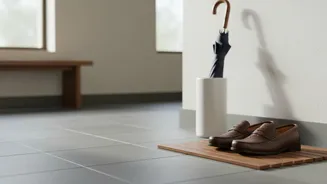
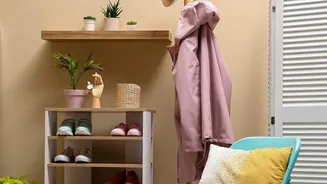
Not all storage solutions are created equal, especially during the monsoon. The ideal choice is an open rack or a cabinet with ventilation holes or slatted doors that encourage airflow. Avoid sealed plastic boxes or bags, which are notorious for trapping moisture and creating a mini-ecosystem for mould. If you must use boxes, opt for the original cardboard ones and consider punching a few extra holes for ventilation. For long-term storage of seasonal footwear, breathable fabric shoe bags are a much better option than plastic.
Harness the Power of Moisture Absorbers
Give your shoe storage an extra line of defence with moisture absorbers. These are simple additions that can make a huge difference in high-humidity conditions. Silica gel packets, the kind often found in new shoe boxes, are excellent for this purpose; you can even buy them in larger quantities and place them in your shoes and around the cabinet. Activated charcoal bags are another fantastic option, as they are highly effective at absorbing both moisture and odours. For a simple DIY solution, an open box of baking soda or even chalk can also help pull excess moisture from the air.
Special Care for Different Materials
Different shoes require slightly different approaches. For leather, using cedar shoe trees is highly recommended. Not only do they help the shoe maintain its shape, but cedarwood naturally absorbs moisture and acts as a deodoriser. Suede, despite its reputation, can handle rain if pre-treated with a quality waterproofing spray, which creates a protective barrier. Always brush suede when it's dry to clean it. For sneakers and canvas shoes, ensure they are fully aired out, and consider using a shoe deodoriser spray to kill any lingering bacteria before storing them.