




How This Simple Tech Works
At its core, a vacuum compression pouch is a heavy-duty plastic bag with a one-way valve and a zip-seal top. The magic happens when you remove the air trapped between the fibres of your clothes. By sucking the air out, either with a small pump or by rolling
the bag, you can shrink bulky items down to a fraction of their original size. This process turns puffy jackets and fluffy sweaters into dense, flat packages that are much easier to pack. The airtight seal is the key, ensuring the bag doesn't re-inflate and that its contents remain compressed.
The Double Benefit: Space and Protection
The most obvious advantage is the incredible space savings. By compressing soft goods, you can reduce their volume by up to 80%, which can be the difference between needing one suitcase or two. This is especially useful for packing bulky items like winter coats, fleece, and extra bedding. But the benefits don't stop there. The airtight seal also provides a formidable barrier against moisture, humidity, dust, and odours. This means your clothes will arrive at your destination just as fresh and dry as when you packed them, even if your luggage gets left on a rainy tarmac. It's also a great way to quarantine dirty laundry on the return trip.
Choosing the Right Pouch for Your Trip
Vacuum pouches come in two main varieties. The first type requires a vacuum cleaner or, more conveniently for travel, a small, often USB-powered pump to remove the air. These provide the maximum compression and are ideal for home storage or when you know you'll have access to power. The second type is the roll-up bag. These don't need a pump; you simply fill the bag, seal it, and roll it tightly to force the air out through a one-way valve at the bottom. While they may not achieve the same level of compression as pump-operated bags, their convenience makes them a favourite among backpackers and carry-on-only travellers.
A Quick Guide to Perfect Packing
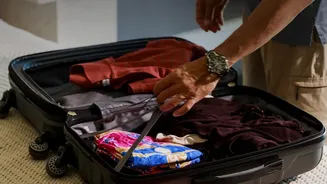
Using compression bags effectively is simple, but a few tips can improve your results. First, ensure all items are completely clean and dry before packing, as any trapped moisture can lead to mildew. Neatly fold or roll your clothes before placing them inside the bag, being careful not to overfill past the designated line. For best results, zip the main seal completely before beginning the compression process. If using a pump, attach it to the valve and remove the air until the bag is firm and flat. If using a roll-up bag, start from the zip-seal end and roll tightly towards the valve end to expel the air.
What Not to Compress
While fantastic for many items, compression bags are not suitable for everything. Natural fibres like wool and fur can be damaged by long-term compression, as they need air to maintain their loft and shape. The same goes for down-filled items like high-end puffer jackets or sleeping bags, which may not regain their original fluffiness. Leather garments should never be vacuum-packed, as the pressure can create permanent creases and damage the material. It's also wise to avoid packing items with sharp corners or hardware that could puncture the bag. For delicate fabrics like silk, short-term compression for travel is generally fine, but be prepared for some wrinkles upon arrival.