





What Exactly Is AI Skin Analysis?
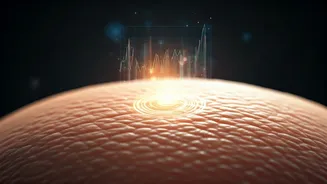
At its core, AI skin analysis is a technology that uses your smartphone's camera and a sophisticated app to evaluate your skin's health. Instead of just looking in the mirror, you take a high-resolution photo, and artificial intelligence, trained on millions
of dermatological images, gets to work. The technology scans your face, identifying and measuring various factors like fine lines, wrinkles, dark spots, redness, pore size, and texture. It’s designed to give you an objective, data-driven look at what's happening on and even just beneath your skin's surface.
From Selfie to Skincare Solution
The process is remarkably simple for the user. You capture an image, and the AI model maps your face, breaking it down into zones like the forehead, cheeks, and under-eye area for individual assessment. The system then scores the severity of each concern it detects, creating a comprehensive report. Based on this detailed analysis, the app generates personalized recommendations, suggesting specific ingredients or products tailored to address what it found. The entire process, from photo to report, often takes less than a minute.
The End of Expensive Guesswork
This is where the real savings begin. One of the most common and costly skincare mistakes is using products that aren't right for your skin type or concerns. An expensive serum for oily skin won't help if your real issue is dehydration. By providing hyper-personalized recommendations, AI aims to eliminate this trial-and-error spending. Instead of buying a popular product based on hype, you're choosing one based on data about your own skin. Over time, this can lead to significant savings by preventing you from purchasing creams, serums, and treatments that are destined to gather dust on your shelf.
How Reliable Is a Digital Dermatologist?
This is the crucial question. While some studies show high rates of agreement between AI analysis and assessments from human dermatologists, the technology is not a replacement for a doctor. Many dermatologists express concern, noting that these apps can't understand the full clinical context, such as your lifestyle or medical history. An AI might flag a normal pore as a flaw or misinterpret a serious condition. Furthermore, the accuracy can be affected by factors like lighting, photo quality, and even your skin tone, as some models have been trained on less diverse datasets. Many free apps are also designed to funnel you toward buying products from a specific brand.
Your Personal Progress Tracker
Beyond one-time recommendations, a key benefit of AI skin analysis is its ability to track changes over time. By taking regular photos, you can create a visual and numerical record of your skin's journey. This allows you to see if a new routine is actually working, as the AI can detect subtle improvements in texture or reductions in pigmentation that might be invisible to the naked eye. This consistent monitoring helps you stay on track and make informed adjustments to your regimen, ensuring your efforts and money are well spent.
How to Get Started Smartly
If you're curious to try AI skin analysis, approach it as an educational tool rather than a diagnostic one. Look for apps that are transparent about their technology and any brand affiliations. To get the best results, take your photo in clear, natural daylight without any makeup on. Use the analysis as a starting point for your own research into ingredients and product types. And remember, while these apps can be a helpful guide for cosmetic concerns like pore size or fine lines, they are not a substitute for professional medical advice. For any worrying changes, like a suspicious mole, a dermatologist visit is essential.