






The 'Discovery' Engine
The magic of stumbling upon a hidden gem used to be protected by obscurity. You needed a local tip, a well-worn map, or sheer luck. Today, that obscurity has been replaced by algorithms. Platforms like Instagram and TikTok are visual discovery engines,
perfectly engineered to surface and amplify aesthetically pleasing locations. A single viral video of a breathtaking sunset from a little-known peak can reach millions in hours. Add in the feature of geotagging—pinpointing the exact location for anyone to follow—and you have a powerful, near-instantaneous fame machine. A place's secrecy is no longer a barrier; it's a vulnerability. The more 'undiscovered' a place seems, the more desirable it becomes as content, creating a feedback loop that guarantees its eventual exposure.
From Quiet Cove to Crowded Queue
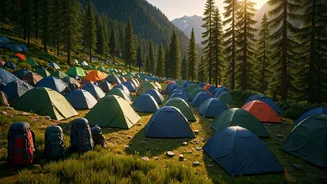
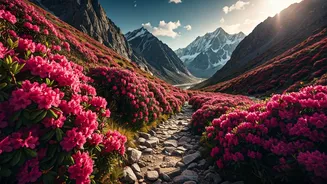
Consider the real-world impact. Small towns near once-quiet natural wonders have seen visitor numbers explode. In California, 'superblooms' of wildflowers in places like Lake Elsinore were trampled by thousands of visitors seeking the perfect photo after images went viral. Similarly, small-scale attractions like Kanarra Falls in Utah went from a local secret to a major tourist draw, forcing the town to implement a permit system to manage the overwhelming crowds and environmental damage. What was once a peaceful hike became an experience characterized by long lines and stressed infrastructure. This pattern repeats across the country: a coffee shop with unique latte art, a mural in an unassuming alley, a picturesque farm. One well-composed photo is all it takes to transform a local favorite into a global destination.
The Double-Edged Sword of Exposure
For the communities affected, this sudden fame is often a mixed blessing. On one hand, an influx of visitors can be a powerful economic engine. Local businesses, from gas stations to restaurants, can see a massive boost in revenue. For a town struggling to stay afloat, being 'put on the map' can feel like winning the lottery. But the downsides are significant and often unanticipated. Local infrastructure—roads, parking, and public restrooms—is rarely equipped to handle a sudden surge of tourism. The environment suffers as trails erode, delicate ecosystems are disturbed, and litter accumulates. There's also a cultural cost. The very character that made a place special can be eroded by commercialization and overcrowding, leaving locals feeling like strangers in their own hometowns.
A New Kind of 'Leave No Trace'
In response, a quiet backlash is growing, coupled with a push for a new kind of digital etiquette. The 'Leave No Trace' movement, long a cornerstone of responsible outdoor recreation, is being updated for the social media age. Conservation groups now advocate for 'Tag Responsibly' campaigns, encouraging people to tag a general region (like a national park) rather than a specific, fragile location. Some influencers are consciously choosing not to share the locations of sensitive spots. On the flip side, some communities are leaning in, using their newfound fame to build sustainable tourism models with reservation systems, visitor education, and designated photo areas. The debate touches on a thorny issue: is withholding a location 'gatekeeping,' or is it a necessary act of preservation? The answer isn't simple, but it's a conversation we're now forced to have.