



The Mission Gets a Fresh Push
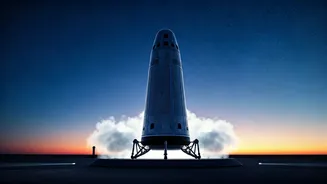
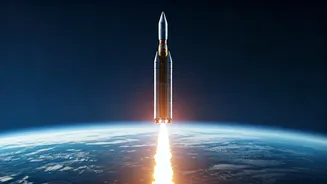
After a period of meticulous groundwork and overcoming delays, India's human spaceflight program, Gaganyaan, is visibly accelerating. The "fresh momentum" comes from a series of successful tests and clear timelines for the critical next steps. A key milestone
is the planned first uncrewed Gaganyaan-1 (G1) orbital flight, slated for the second half of 2026. This mission will see a humanoid, 'Vyommitra', sent into orbit to simulate human functions, allowing ISRO to validate all systems in real-world conditions before a human crew ever boards. This follows a series of crucial precursor missions designed to test everything from parachute systems to the crew escape mechanism, ensuring every component meets stringent safety and reliability standards. The renewed pace signals that after years of development, the program is now firmly in its execution phase.
Meet the Vyomnauts
At the heart of this historic endeavour are the chosen astronauts, or 'Vyomnauts' (from the Sanskrit word 'Vyoma' meaning 'space'). While their identities are protected, we know this handpicked crew has undergone extensive training both in Russia and at ISRO's dedicated facilities in India. Their preparation is incredibly rigorous, covering everything from launch and landing simulations to survival training and performing experiments in microgravity. To gain further operational experience, Indian astronaut Group Captain Shubhanshu Shukla recently participated in the Axiom-4 mission to the International Space Station, providing invaluable insights into long-duration spaceflights. This focus on the human element is crucial, as the Gaganyaan mission is not just a technical demonstration but the first step towards a sustained Indian human presence in space.
The Technology of a Dream
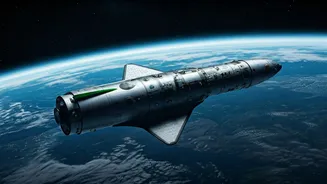
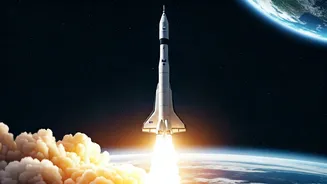
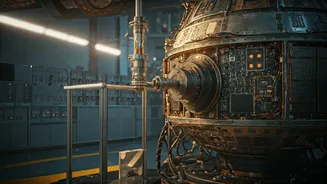
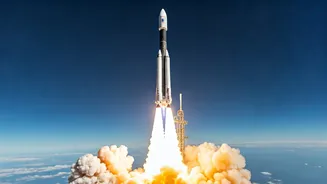
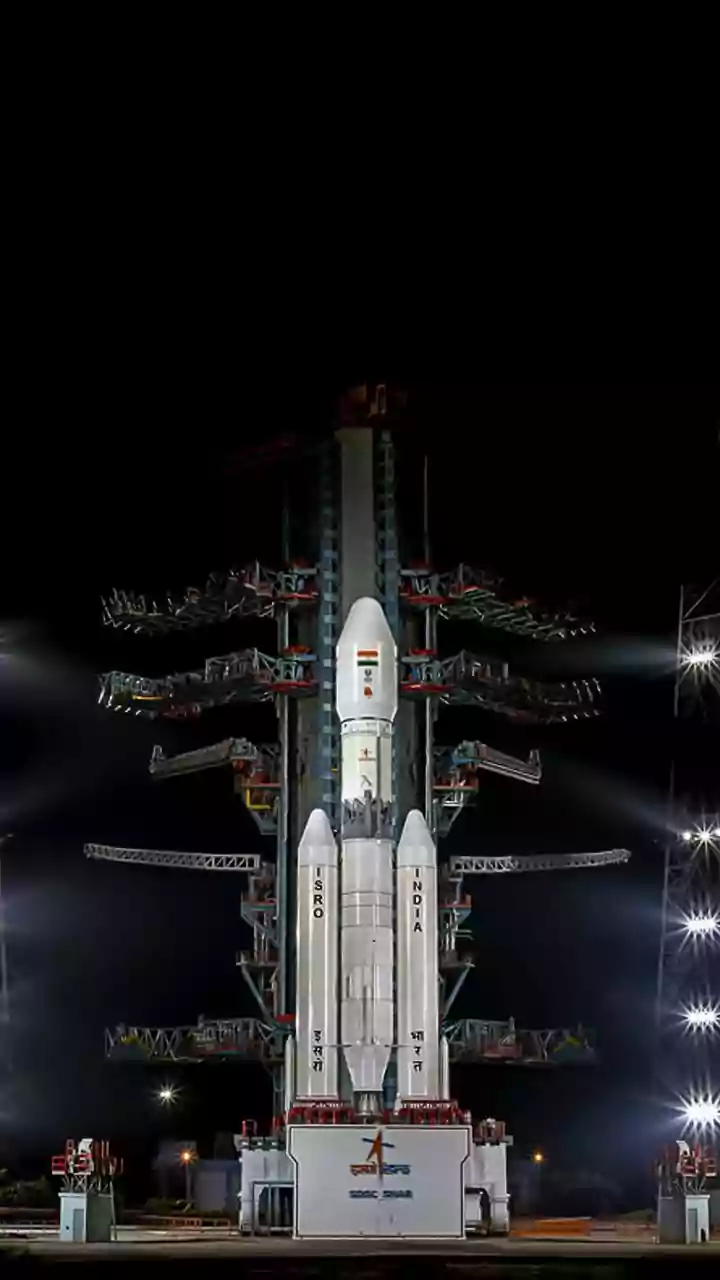
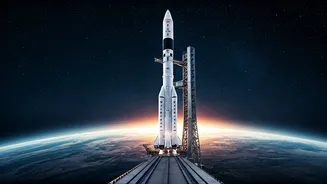
Sending humans to space requires a symphony of cutting-edge technologies, all of which must function flawlessly. The backbone of the Gaganyaan mission is the LVM3 rocket, ISRO's most powerful and reliable heavy-lift launcher, which has been 'human-rated' for this purpose. This means every component, from its engines to its structural integrity, has been re-configured and triple-checked for crew safety. The Orbital Module, where the astronauts will live, consists of the Crew Module and the Service Module. Perhaps most critical is the Crew Escape System, a mechanism designed to jettison the crew to safety in case of a launch emergency. ISRO has also made significant strides in docking technology with its SPADEX experiment, becoming the fourth nation to demonstrate autonomous docking — a skill vital for future space station operations.
The Road to Orbit and Beyond
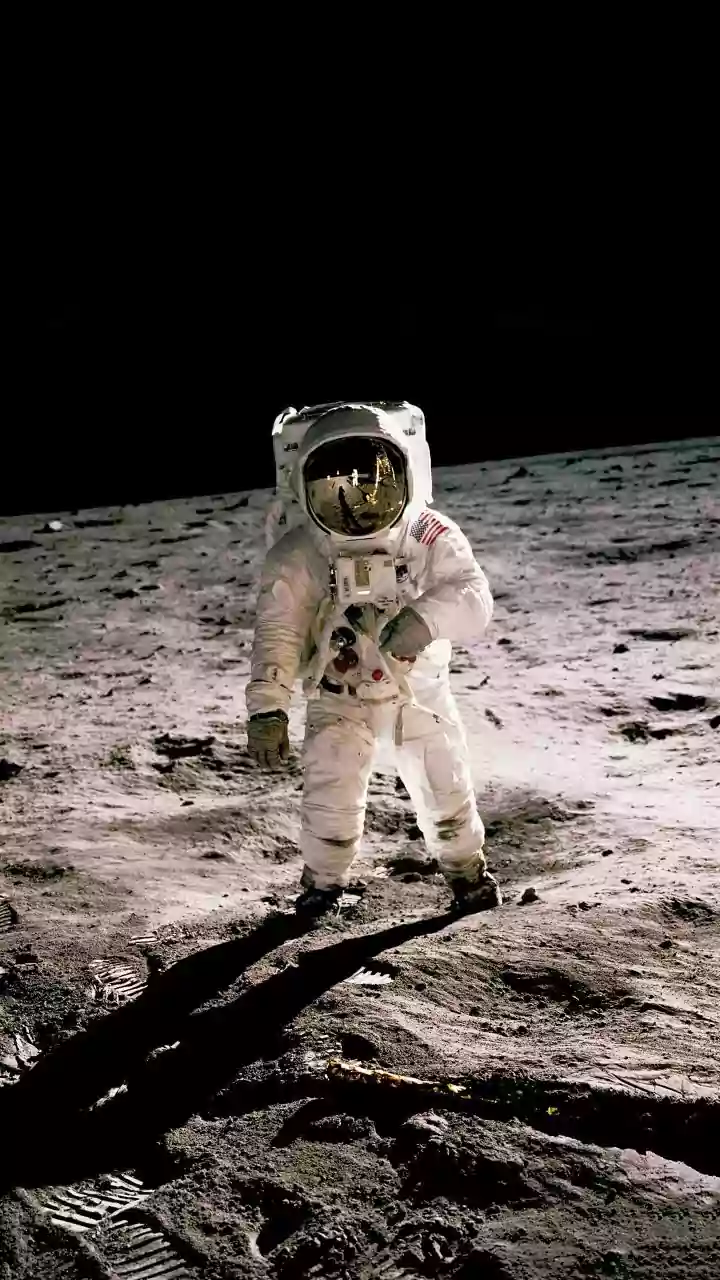
The path forward is ambitious and clearly defined. Following the uncrewed G1 flight in late 2026, ISRO plans at least one more uncrewed test flight. The first crewed mission, which will carry three astronauts to a Low Earth Orbit of 400 km for a three-day mission, is anticipated in 2027. But ISRO's ambitions don't stop there. The Gaganyaan project is a gateway to a much larger vision. Prime Minister Narendra Modi has laid out a roadmap that includes establishing the 'Bharatiya Antariksh Station' (Indian Space Station) by 2035 and landing an Indian on the Moon by 2040. The first module for the space station is already approved and slated for a 2028 launch. This long-term strategy frames Gaganyaan not as an endpoint, but as the foundational first step in India's journey to becoming a major space power.