


The Science of the Scroll
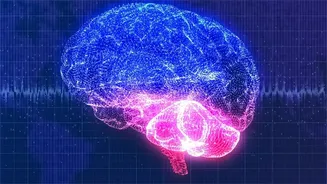
Our brains are being rewired, one 15-second clip at a time. Platforms like TikTok and Instagram Reels deliver what neuroscientists call a variable reward schedule. Each swipe offers a potential surprise—a laugh, a gasp, a clever life hack—triggering a small
release of dopamine, the brain's pleasure chemical. This creates a powerful feedback loop that makes it hard to stop scrolling. Studies suggest this constant, rapid stimulation trains the brain to expect and crave novelty at an accelerated rate. Heavy use of short-form video has been linked to weaker attention and focus. Tasks that require sustained concentration, like reading a book or, indeed, watching a two-hour film, can feel less engaging by comparison because they delay gratification. A feature film builds its world, develops characters, and layers themes, paying off over a longer arc. In contrast, the endless scroll offers instant, bite-sized rewards, conditioning us for immediate satisfaction.
Pacing in the Age of Speed
This shift in our neurological wiring has a direct impact on our cinematic palate. Moments in a film that once felt like a meditative slow-burn might now register as simply boring. A long, dialogue-free shot establishing a mood, a quiet scene of character introspection, or a complex subplot that takes time to unfold can test the limits of a reconditioned attention span. Audiences trained on quick cuts and constant stimulation may grow restless during these deliberate pauses. A 2026 study found that the ideal movie runtime for audiences is shrinking, with younger generations like Gen Z preferring films to be as short as 82 minutes. This doesn't mean all long films are doomed; epic three-hour movies continue to find massive audiences. However, it suggests a paradox: audiences will commit to a long film if it’s an 'event,' but their tolerance for slower moments within that film may be lower than ever. The bar for what earns our sustained, undivided attention is rising.
Restlessness in the Dark
The most visible effect is the change in behaviour inside the theatre itself. The phenomenon of 'second-screening'—using a phone while watching TV—has become the norm at home, with studies showing over 80% of Americans engage in it. This habit is now bleeding into the communal space of the cinema. The glow of a phone screen during a quiet, tense scene is an increasingly common complaint. This isn't just about disrespect for fellow patrons; it's a symptom of a fractured attention span. The urge to check notifications or indulge in a quick scroll is a conditioned reflex that many find hard to suppress, even for the duration of a film. The immersive spell that cinema has historically relied upon is being broken by the device in our pocket, which promises a faster, more immediate hit of stimulation.
How the Film Industry is Adapting
Hollywood is not oblivious to this trend. While filmmakers aren't abandoning long-form storytelling, there are signs of adaptation. Many modern blockbusters feature faster editing, more front-loaded action sequences to hook the viewer from the opening scene, and narratives that are broken into more digestible, high-impact segments. On the marketing side, studios are leaning heavily into the very platforms shaping these attention spans. Movie clips, behind-the-scenes content, and viral dance challenges on TikTok are now crucial tools for building buzz. In a surprising twist, TikTok has been shown to drive significant ticket sales, especially among Gen Z, who, despite their short-form video habits, are now the most active demographic of moviegoers. They are drawn to the cinema not just for the film, but for the shared, communal experience that stands in stark contrast to solitary scrolling. It seems the industry's strategy is evolving: use the fast to sell the slow.