



Day 1: Energetic Orange
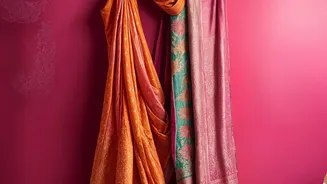
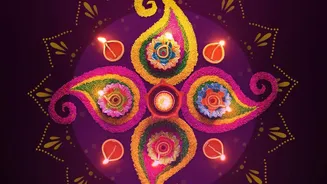
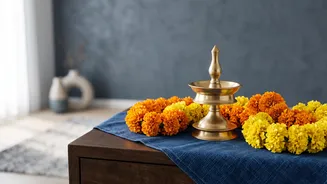
The festival begins with the vibrant and energetic hue of orange, symbolising warmth and exuberance. To incorporate this lively colour, you don't need a complete overhaul. Start at your entrance by creating a welcoming rangoli with orange flower petals,
like marigolds. In the living room, swap out neutral cushion covers for bright orange ones or add a festive orange runner to your centre table. These small touches can instantly fill your home with enthusiasm and positive energy.
Day 2: Serene White
The second day is dedicated to white, a colour synonymous with peace, purity, and innocence. Introduce this serene shade into your private spaces, like a bedroom, to create a calm and fresh atmosphere. Think white bedsheets, sheer white curtains that gently filter light, or a vase of white flowers like jasmine or lilies. In the pooja area, a white backdrop cloth can create a clean, sacred focal point for prayers, enhancing the feeling of inner peace.
Day 3: Passionate Red
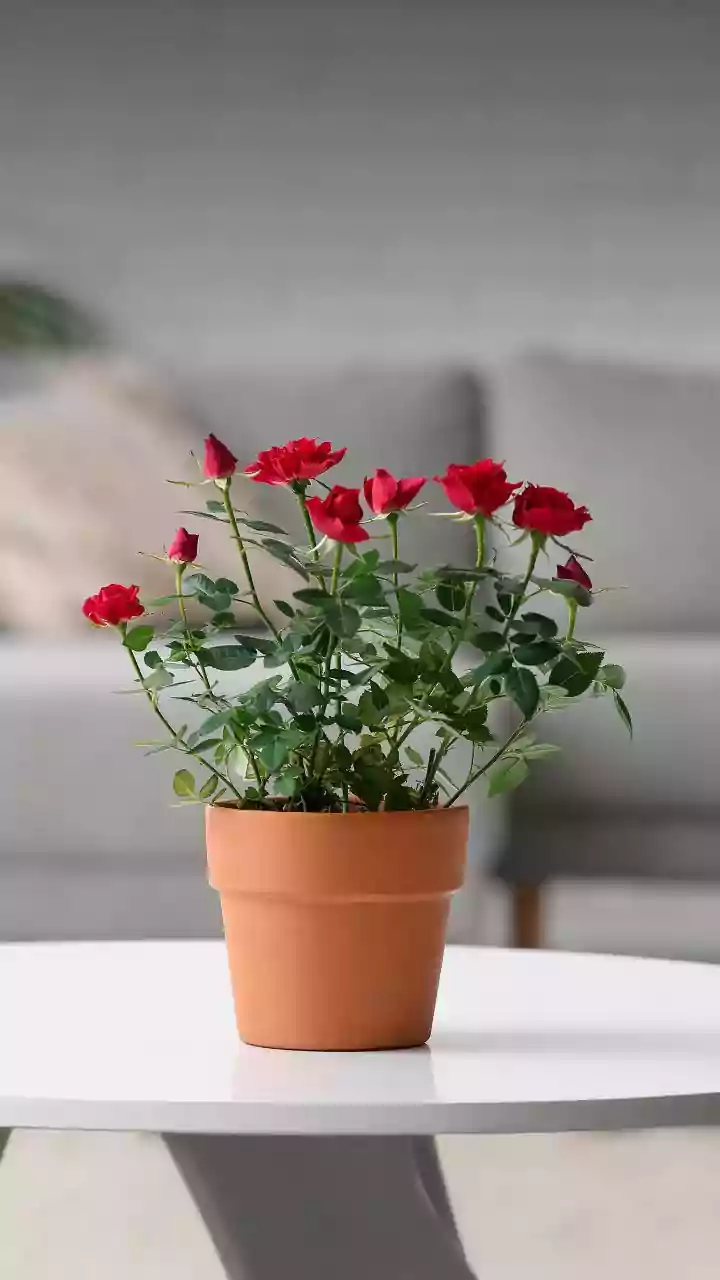
Red is a powerful colour of passion, love, and divine feminine energy. It is also the most common colour for the chunri offered to the Goddess. Bring this dynamic shade to your dining area to make meals feel more festive. A simple red table runner, placemats, or even a bowl of red apples can create a striking look. For a more traditional touch, drape red fabric with gold accents around the mandir or use red flower garlands.
Day 4: Rich Royal Blue
Royal blue signifies richness, tranquillity, and elegance. This majestic shade is perfect for changing the mood of a room. Introduce royal blue through textiles like curtains or an accent rug. Even small decorative objects, like glass vases or cushion covers on a neutral sofa, can add a touch of sophistication. Pairing it with metallic accents like brass or silver can further enhance its regal feel.
Day 5: Joyful Yellow
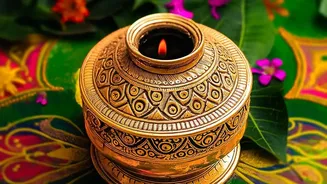
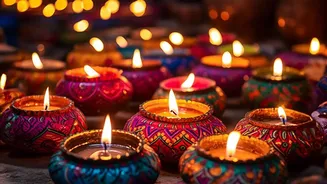
Yellow is the colour of optimism, joy, and cheerfulness. It is a perfect hue for brightening the pooja space. Use marigold flowers, a yellow silk cloth for the altar, or yellow-toned diyas to create a warm and inviting spiritual corner. You can also extend this sunny disposition to your living room with yellow throws or by placing a bowl of lemons on a side table for a fresh, natural accent.
Day 6: Natural Green
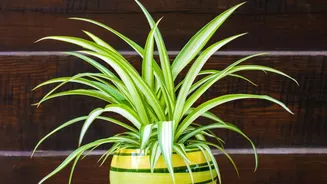
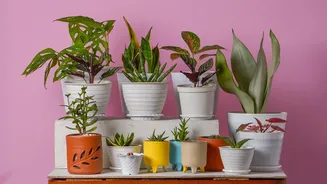
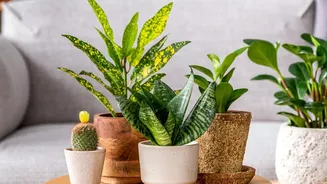
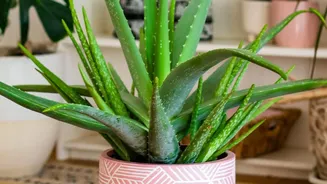
Green represents nature, growth, and new beginnings. The easiest way to bring this colour into your home is with indoor plants. Place them at your entrance or in corners of the living room to refresh the space. You can also use green fabric backdrops for your mandir or hang a traditional toran of mango leaves on your main door for an auspicious and eco-friendly decoration.
Day 7: Subtle Grey
Grey is an unconventional but sophisticated festive colour that symbolises balance. To avoid a somber look, use it as a subtle accent. Think grey cushion covers with silver or foil prints, a textured grey rug, or silver-coloured diyas and lamps. Grey pairs beautifully with other colours, so you can use it to ground the brighter hues from the previous days, creating an elegant and balanced interior.
Day 8: Luxurious Purple
Purple is associated with luxury, nobility, and spirituality. On the eighth day, which often marks Durga Ashtami, you can give your home a more dressed-up feel. Use purple drapes, cushion covers, or a table runner in the living or dining area. The colour also works well in rangoli designs, especially when contrasted with white or pink. Even a simple floral arrangement with purple orchids can add a touch of opulence.
Day 9: Unique Peacock Green
The final day is celebrated with peacock green, a unique shade of blue-green that represents individuality and beauty. This distinctive colour can be introduced through showpieces, vases, or textiles. Consider cushion covers with peacock feather motifs, a teal-coloured throw, or even dinnerware in this striking shade to mark the grand finale of the festival. It's a beautiful way to end the nine days on a fresh and memorable note.