




In our fast-paced world, finding true rest can feel impossible. Yoga Nidra, a practice often called 'yogic sleep', offers a path to deep relaxation that goes beyond a simple nap, helping to manage the stress that accumulates in daily life.
What Is Yoga Nidra?
Yoga Nidra,
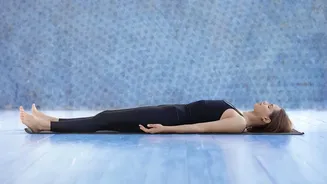
which translates from Sanskrit to 'yogic sleep', is a powerful guided meditation technique. Unlike active yoga styles, it is practiced lying down comfortably, typically on your back in a position called Savasana (corpse pose). The goal is to enter a state of conscious deep sleep, a threshold state between wakefulness and slumber where the body becomes completely relaxed while the mind remains aware. A guide's voice leads you through a series of steps designed to systematically disengage from your senses and turn your awareness inward. This process is designed to quiet the mind, release physical tension, and activate the body’s natural relaxation response. It’s not about trying to fall asleep, though many do; it’s about resting the mind and body on a profound level that is said to be more restorative than conventional sleep.
The Technique: How to Practice
Getting started with Yoga Nidra is accessible to almost anyone, as it requires no prior experience. The practice follows a structured sequence. First, you find a quiet, comfortable place where you won't be disturbed. Lie down and use props like blankets for warmth or pillows under your knees for support. The practice begins with setting an intention, known as a 'Sankalpa'—a short, positive statement about what you want to cultivate in your life. The guide will then lead you through a 'rotation of consciousness', a body scan where you bring gentle awareness to different parts of your body without moving them. This is followed by breath awareness, where you simply observe the natural rhythm of your breath. Later stages may involve exploring opposite sensations (like heavy and light) and visualizations before revisiting your intention at the end. The entire process is effortless; your only job is to listen and follow the instructions.
Proven Benefits for Stress
The calming effects of Yoga Nidra are supported by modern science. The practice helps activate the parasympathetic nervous system, shifting the body out of the 'fight or flight' stress response and into a 'rest and digest' state. Studies show this leads to a reduction in cortisol, the body’s primary stress hormone, as well as lower blood pressure and a slower heart rate. A major 2026 meta-analysis of over 70 studies found that Yoga Nidra leads to significant reductions in stress and anxiety. Practitioners often report improved sleep quality, reduced feelings of anxiety, and a greater sense of overall well-being. By calming the nervous system, it helps create emotional resilience, allowing you to better manage daily pressures.
Understanding the Practical Limits
While Yoga Nidra is a powerful tool, it is not a cureall. It is essential to understand its limitations. The practice is not recommended for individuals with severe, unstabilized mental health conditions such as schizophrenia, psychosis, or severe depression without consulting a doctor, as the deep, internal focus can sometimes worsen symptoms. For those with a history of significant trauma, it is best to seek out a trauma-informed guide who can create a safer space for the practice. Furthermore, Yoga Nidra is a practice, not a quick fix. While you may feel relaxed after one session, the most profound benefits for stress management come from consistent and regular practice. Finally, experiences can vary; what feels deeply restorative for one person may not resonate as strongly with another. It is a complementary wellness tool, not a substitute for professional medical or psychological treatment.