








The Search for Superior Fuel
The global shift towards plant-based diets has flooded supermarkets with dairy alternatives. For the average consumer, choice is often based on taste or familiarity. But for fitness enthusiasts, the criteria are different. They're looking for functional
fuel—beverages that not only avoid dairy but actively contribute to performance, muscle repair, and overall health. Standard options like almond milk are often low in protein, while oat milk can be higher in carbohydrates. This has created a gap for nutrient-dense alternatives that specifically support an active lifestyle, paving the way for pea and hemp milk to rise in popularity.
Pea Milk: The Protein Powerhouse
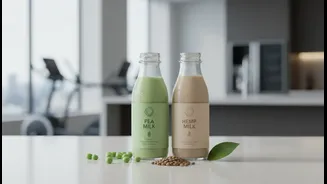
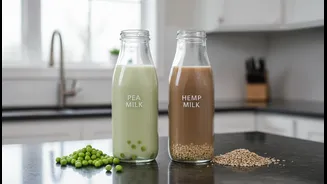
When it comes to building and repairing muscle, protein is king. This is where pea milk truly shines. Made from yellow split peas, it’s a standout for its impressive protein content. An average cup of unsweetened pea milk provides around 8 grams of protein, a figure comparable to dairy milk and soy milk, and significantly higher than almond or coconut milk. This protein is also high-quality, rich in branched-chain amino acids (BCAAs) which are crucial for muscle synthesis. For those focusing on lean muscle gain or ensuring adequate protein intake for recovery, pea milk offers a powerful, plant-based solution. It’s also low in carbs and calories, making it a lean choice for post-workout shakes or daily consumption.
Hemp Milk: The Recovery Specialist
While pea milk leads with protein, hemp milk's strength lies in its unique fatty acid profile. Made from hemp seeds, it is a fantastic source of healthy unsaturated fats, particularly omega-3 and omega-6 fatty acids. These fats are renowned for their anti-inflammatory properties, which can help athletes manage exercise-induced inflammation and support joint health. While its protein content is lower than pea milk—typically around 3-5 grams per cup—it is still considered a complete protein, containing all essential amino acids. Hemp milk's blend of healthy fats, easily digestible protein, and minerals like magnesium makes it an excellent choice for overall recovery and well-being.
Head-to-Head for Fitness Goals
So, which one should a fitness enthusiast choose? The answer depends on the primary goal. If your main objective is muscle building and high protein intake, pea milk is the clear winner. Its robust protein profile is ideal for pre- or post-workout nutrition. However, if your focus is on managing inflammation, improving heart health, and getting a balanced dose of nutrients for recovery, hemp milk is a superior option. Many unsweetened versions of both milks are also low in calories and carbohydrates, fitting easily into various diet plans. In terms of texture, both are known for being creamier than almond milk, with pea milk often having a more neutral taste while hemp can be nuttier and earthier.
Beyond the Bottle: Allergies and Environment
Another major reason for their popularity is that both pea and hemp milk are free from common allergens. For individuals with soy, nut, or gluten intolerances, these milks provide a safe and nutritious alternative. Environmentally, they also score high marks. Peas are nitrogen-fixing crops that enrich the soil, and a study has shown they require less water and fertilizer than crops like almonds. Hemp is also considered a highly sustainable crop. For the conscious consumer, these factors add another layer of appeal, aligning fitness goals with environmental values.