







Automating the First Hurdle
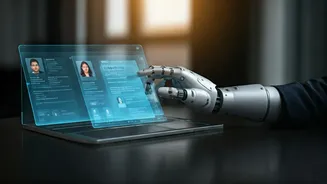
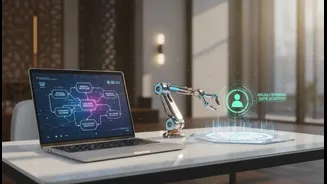
The initial and often most daunting phase of any placement drive is the sheer volume of applications. Traditionally, this meant HR teams manually sifting through thousands of resumes. Today, AI-powered Applicant Tracking Systems (ATS) are the new gatekeepers.
These systems collect, sort, and rank resumes in minutes, filtering out candidates before a human recruiter even sees an application. Using Natural Language Processing, these tools can infer skills from projects and internships, going beyond simple keyword matching. For students, this means the CV is no longer just a document; it's a dataset that needs to be optimized for algorithms. Platforms like Superset and Unstop are being widely used by higher education institutions to automate the entire lifecycle, from applications to documentation.
Assessing Skills Beyond the Grades
Companies are increasingly moving beyond traditional degrees and prioritizing hands-on skills in areas like data analytics, AI literacy, and digital business. To measure this, they are deploying a battery of AI-driven assessment tools. Platforms like HackerRank, Mercer | Mettl, and Talview are now standard for conducting remote proctored aptitude tests and evaluating domain-specific skills. Some companies, like McKinsey, use gamified case studies to test analytical and problem-solving abilities. These assessments provide a more objective measure of a candidate's capability, leveling the playing field for students from various academic backgrounds but putting pressure on them to acquire and demonstrate these specific, in-demand competencies.
The AI Interviewer Will See You Now
One of the most significant changes is the rise of AI-powered video interviews. Tools like HireVue, Talview, and HirePro are used to conduct asynchronous interviews where candidates record their answers to a set of pre-determined questions. The AI then analyzes responses, verbal cues, and other parameters to provide recruiters with a ranked shortlist. While this increases efficiency, it also requires a new kind of preparation. Students can no longer rely solely on their answers; they must also be conscious of their delivery and digital presence. To help them prepare, platforms like Final Round AI and Huru.ai offer mock interview practice with AI-powered feedback on responses, body language, and vocal delivery.
The Student's New Playbook
This new landscape demands a strategic shift from students. It's no longer enough to have good grades; graduates must be 'AI-ready'. This starts with crafting resumes that are optimized for ATS with relevant keywords and clearly defined skills. Students must also actively practice for AI-based assessments and video interviews, utilizing the same tools that recruiters use. Recognizing this, many universities are now integrating platforms like ProTeen and Mindler to conduct psychometric assessments and offer personalized upskilling recommendations long before the placement season begins. The emphasis is shifting from last-minute preparation to a continuous, data-driven approach to career readiness.
Challenges on the Digital Frontier
The transition to AI-driven recruitment is not without its hurdles. A primary concern is algorithmic bias. If an AI is trained on historical data that contains biases, it may perpetuate them, unfairly filtering out candidates from certain universities or regions. There is also the risk of the process becoming too impersonal, losing the human touch that is crucial for assessing cultural fit and other soft skills. Furthermore, institutions must manage challenges like data privacy, the high cost of implementing multiple platforms, and the risk of digital impersonation or cheating in remote assessments. A balanced approach that combines AI's efficiency with human judgment is essential to ensure fairness and effectiveness.