


The Classic Reimagined: Sabudana Khichdi
Sabudana, or tapioca pearls, is a fasting staple for a reason: it's packed with carbohydrates that provide a quick burst of energy. However, it can also lead to an energy crash later. To make your khichdi more energy-sustaining, the key is to balance
it. Add a generous handful of roasted peanuts, which provide healthy fats and plant-based protein. This combination turns a simple carb dish into a more complete meal that keeps you fuller for longer. Instead of just potatoes, consider adding other vrat-friendly vegetables like chopped bottle gourd or pumpkin for added nutrients. Cook it in ghee, which provides healthy fat that slows digestion and improves nutrient absorption.
The Power-Packed Flour: Rajgira Paratha
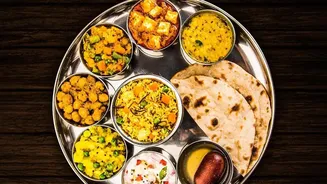
Instead of relying solely on kuttu (buckwheat) or singhara (water chestnut) flour, introduce rajgira (amaranth) flour into your rotation. Rajgira is a powerhouse of nutrients and offers a more wholesome option for your vrat meals. A simple dough can be made by combining rajgira flour with mashed sweet potato or boiled potato, rock salt (sendha namak), and finely chopped green chillies. Cook these parathas on a tawa with a touch of ghee. Serve them with a side of plain curd. The combination of complex carbs from the flour and protein from the curd provides a slow and steady release of energy, perfect for sustaining you through a long day.
The Satisfying Snack: Roasted Makhana Chaat
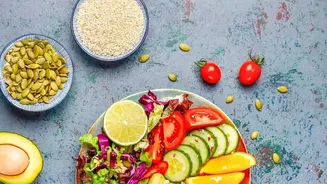
When mid-day hunger strikes, avoid fried snacks that can make you feel sluggish. Instead, turn to makhana (fox nuts). These puffed lotus seeds are low in calories but high in protein and calcium, making them an ideal fasting food. For a quick and flavourful chaat, dry roast a couple of cups of makhana in a pan with a teaspoon of ghee until they are crisp. Toss them with roasted peanuts, sendha namak, and a sprinkle of black pepper powder. For extra freshness and nutrients, you can add chopped cucumber, pomegranate seeds, and a squeeze of lemon juice once cooled. This chaat is crunchy, satisfying, and provides sustained energy without the heaviness of fried food.
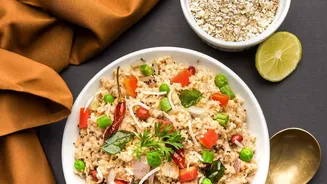
The Wholesome Grain: Samak Pulao
Samak rice, also known as barnyard millet, is an excellent substitute for regular rice during fasts. It's light, easy to digest, and serves as a wonderful base for a fulfilling meal. To create an energy-friendly pulao, cook the washed samak rice with double the amount of water, sendha namak, and whole spices like cumin, cinnamon, and cloves. The key to making it a balanced meal is to add plenty of vrat-friendly vegetables like diced potatoes, carrots, and pumpkin. For a protein boost, you can serve it with a side of paneer curry or a simple bowl of curd. Paneer, in particular, contains casein protein, which digests slowly and helps you feel full for longer.
The Hydrating Drink: Banana & Nut Smoothie
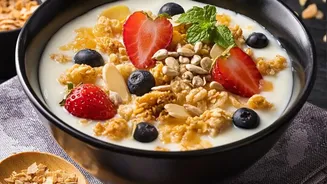
Fasting can sometimes lead to dehydration, which is a major cause of fatigue. A nourishing smoothie can provide both hydration and essential nutrients. Blend a ripe banana with a glass of milk, a few soaked almonds, and a couple of dates for natural sweetness. Bananas provide potassium and quick energy, while almonds offer healthy fats and protein. This simple drink is perfect for starting your day or as an evening meal when you want something light yet sustaining. It replenishes fluids and provides a balanced mix of carbohydrates, protein, and fats to keep your energy levels stable. For an even creamier texture, you can add a spoonful of curd.