




The Pre-Purchase Mobility Test
The most crucial step in ensuring comfort happens before you even buy the outfit. When trying on a potential garment, don't just stand still and admire it in the mirror. Perform a mobility audit. Sit down on a stool or chair to see how the fabric behaves
and if the waistline digs in. Walk around the store, raise your arms, and even do a little twirl. For lehengas, the 'can-can'—the stiff mesh underskirt—is a major factor. A cheap or poorly designed one will crumple when you sit, creating a crushed look when you stand up. For gowns or anarkalis, check if you can lift the hem easily. If an outfit feels restrictive in the trial room, it will feel ten times worse after four hours at a wedding.
Fabric and Weight Are Everything
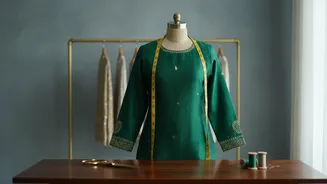
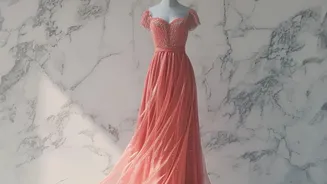
An outfit that looks magnificent on a mannequin can feel like a suit of armour in reality. Heavy velvets, dense brocades, and excessive zardozi work add significant weight that pulls on your waist and shoulders. For long events, consider lighter but equally festive fabrics. Georgette, chiffon, organza, and silk blends offer beautiful drapes and a luxurious feel without the physical burden. These materials are more breathable, which is a significant advantage for daytime functions or crowded indoor venues. Remember, the goal is to wear the outfit, not have the outfit wear you. A lighter fabric allows for more natural movement, making everything from dancing to simply walking through a crowd far more pleasant.
Navigating the Lehenga Conundrum
The lehenga is a staple of Indian occasion wear, but it comes with its own set of challenges. To sit gracefully, approach the chair, slightly lift the back of the skirt with one hand, and lower yourself slowly, keeping your knees to one side. Once seated, smooth the front pleats forward to prevent them from bunching up. When it comes to the dupatta, strategic pinning is your best friend. Instead of letting it hang loose where it can get caught or stepped on, drape and pin it securely to your shoulder and waist. A modern alternative is to use a stylish belt to cinch the dupatta, which keeps it in place and frees up your hands.
Solving the Saree Situation
A well-draped saree is unmatched in elegance, but a poorly managed one can be a constant source of frustration. The secret to all-day comfort is a secure and stable drape. Ensure your pleats are neat, even, and firmly tucked in. A well-fitted petticoat that isn't too tight is crucial for both structure and movement. Before sitting, it’s a good practice to slightly lift the front pleats to prevent the fabric from pulling awkwardly. Always arrange your pallu to the side or in front of you before sitting down; if it falls behind you, you'll inevitably sit on it, causing the pins on your shoulder to pull. A few extra safety pins at key points can provide peace of mind and prevent constant readjustments.
The All-Important Restroom Strategy
This is the one aspect of occasion dressing everyone thinks about but rarely discusses. Navigating a small restroom cubicle in a voluminous outfit is a genuine logistical challenge. This is where outfit selection becomes critical. One-piece gowns, jumpsuits, and sharara sets are often far easier to manage than a heavy, multi-part lehenga. For saree wearers, the key is to gather the front pleats and the hem in one hand, keeping the fabric elevated from the floor at all times. Tucking the pallu securely into your waist or draping it over your forearm keeps it out of the way. Often, having a friend on standby for assistance can make the process much smoother and less stressful.
Don't Let Footwear Be an Afterthought
The perfect outfit can be ruined by painful shoes. A heavy outfit already puts significant strain on your body, and combining it with uncomfortable stilettos is a recipe for misery. Consider the event's location and duration. For outdoor events on grass or sand, block heels, wedges, or elegant flats are far more practical. If you must wear high heels for a formal look, consider bringing a more comfortable pair to change into later in the evening for dancing. Breaking in new shoes for a few days at home before the main event is also a wise move to prevent blisters and discomfort.