



The New Definition of Comfort
For generations, the taste of home has been synonymous with rich, ghee-laden curries, fluffy white rice, and deep-fried festive treats. But for today's urban Indian professionals, that definition is evolving. Increased awareness around lifestyle diseases,
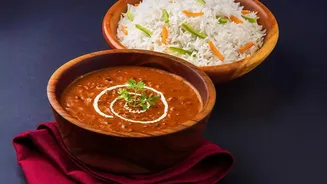
coupled with the influence of social media, has created a generation that reads nutrition labels and prioritizes well-being. This health-conscious cohort isn't abandoning dal makhani or biryani; they are hacking them. They are driven by a desire to enjoy the nostalgic flavours they grew up with, but in a way that aligns with modern health principles like clean eating and balanced macronutrients. The post-pandemic world, in particular, has amplified this trend, with a greater focus on immunity-boosting and nourishing foods.
Reinventing the Classics
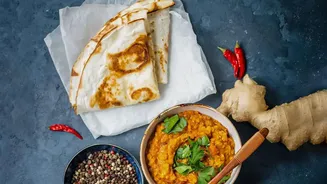
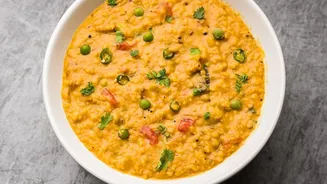
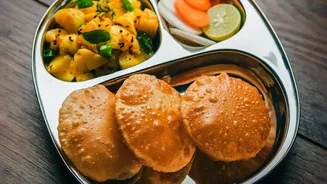
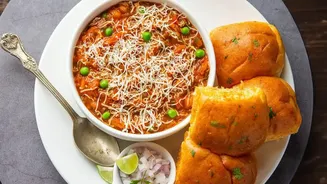
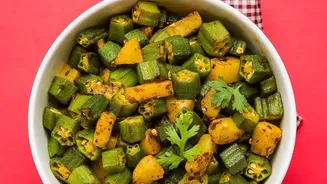
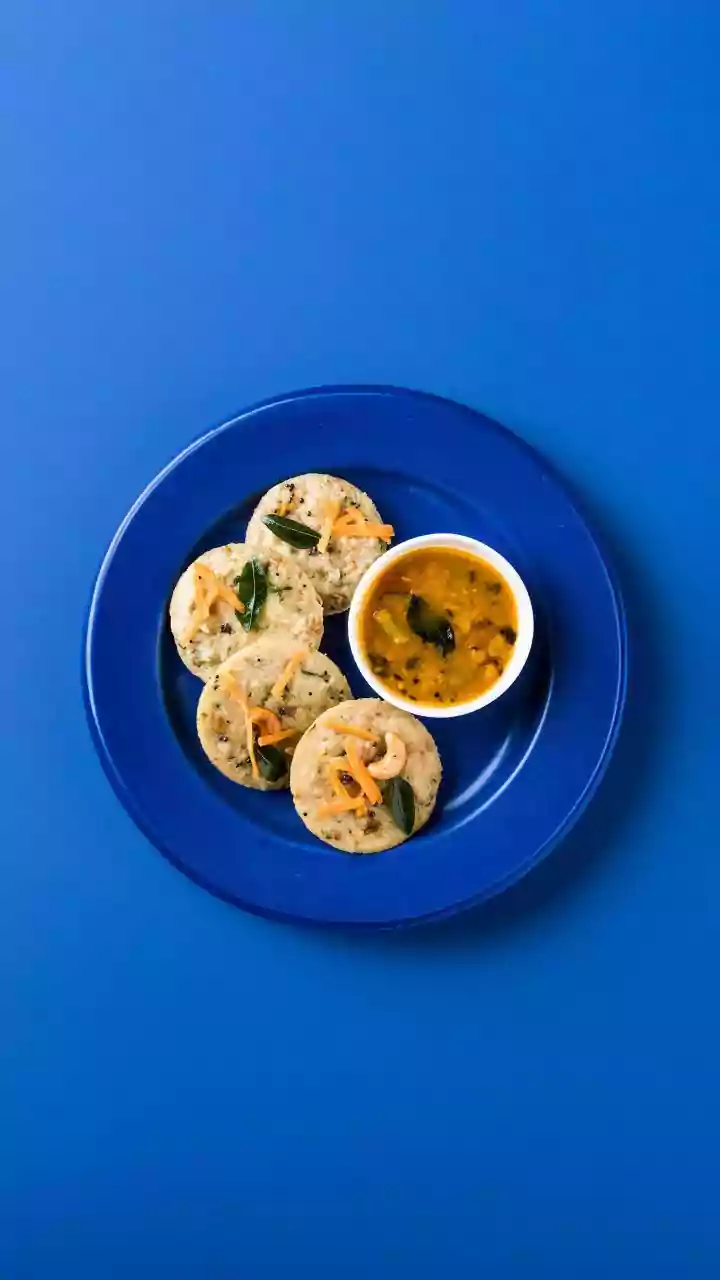
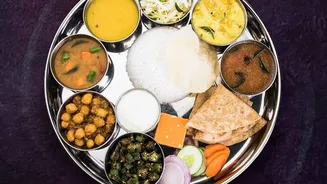
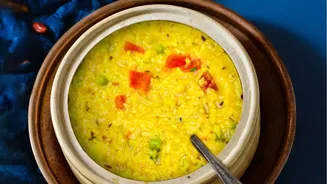
The modern Indian kitchen has become a laboratory for healthy experimentation. The changes are both simple and transformative. Deep-fried snacks like samosas and pakoras are getting a makeover in air fryers, retaining their satisfying crunch with a fraction of the oil. Refined carbs are being swapped out for more complex, fibre-rich alternatives. This includes replacing white rice with quinoa, brown rice, or nutrient-dense millets like ragi and jowar in dishes like pulao and khichdi. Traditional rotis made from wheat are often substituted with chapattis made from millet flour. Similarly, sugary chutneys are being traded for yogurt-based raitas, and cream-heavy curries are reimagined with tomato or vegetable-based gravies. Plant-based proteins such as paneer, tofu, chickpeas, and lentils are taking centre stage, offering a healthy and filling alternative to meat in many beloved recipes.
The Rise of the Conscious Consumer
This shift is not just about individual choices; it's powering a significant market transformation. Young professionals are actively seeking out brands and services that cater to their needs. According to one report, 77% of Indian Gen Z read nutrition labels before buying a product. This has fueled the growth of the healthy instant meals market in India, which was valued at USD 6.0 Billion in 2025 and is projected to grow significantly. There's a rising demand for products with functional ingredients and plant-based options. This consumer behaviour is also paving the way for home chefs and specialised tiffin services that offer everything from diabetic-friendly meals using low-GI ingredients to authentic regional cuisines made with a healthy twist, providing a taste of home without the guilt.
Balancing Tradition and Trend
While the movement towards healthier eating is strong, it exists in a fascinating balance with tradition. Studies show that while there is growing interest in millets in urban wellness markets, overall consumption has historically declined and remains more common in rural households. This highlights the challenge of making these healthier alternatives mainstream. The key to this new food culture is not rejection but adaptation. Young Indians are using technology and a globalised palate to inform their choices, finding ways to make traditional recipes lighter, more nutritious, and better suited to a modern, often sedentary, professional lifestyle. They are proving that Indian food doesn't have to be an occasional indulgence but can be a source of everyday wellness.