



The Golden Rule for All Millet Flours
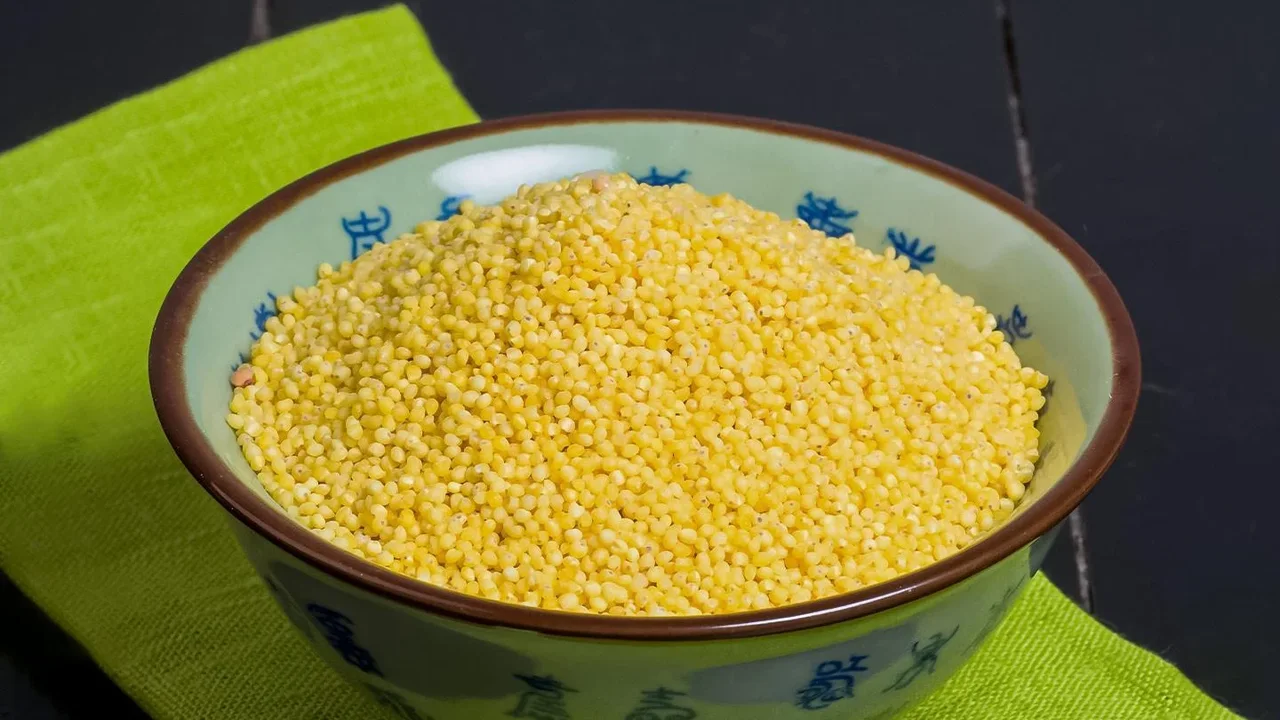
The secret to soft, pliable millet rotis lies in one simple but non-negotiable step: use boiling hot water. Unlike wheat, most millet flours are gluten-free, which means they lack the protein that makes dough stretchy. When you add boiling water to millet flour,
it gelatinizes the starches, creating a sticky, flexible quality that mimics gluten. This single technique is the difference between a dough that cracks and crumbles and one that is smooth and easy to handle. Kneading the dough while it is still warm is equally important, as it enhances this newfound pliability. Once the dough cools, it becomes stiff and brittle again.
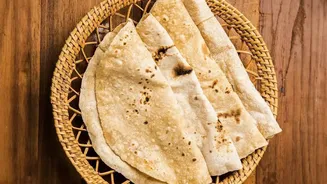
Jowar Bhakri: The Maharashtrian Classic
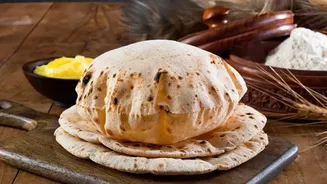
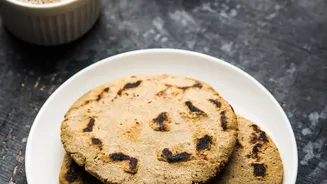
Jowar (sorghum) is often called the beginner's millet because its flavour and texture are the closest to whole wheat. The traditional Jowar Bhakri, a staple in Maharashtra and North Karnataka, is a perfect starting point. To make it, slowly pour boiling water into jowar flour mixed with a pinch of salt, stirring rapidly with a spoon. Once it's cool enough to touch, knead it for several minutes using the heel of your palm until it becomes a smooth, soft ball. Because this dough doesn't have gluten, traditional rolling pins can cause cracks. Instead, flatten the dough balls by patting them with your palms, using a little dry flour to prevent sticking. Cook on a hot tawa, pressing gently with a cloth to help it puff up, before finishing on an open flame for that authentic charred flavour.
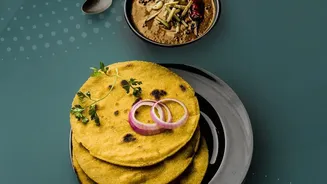
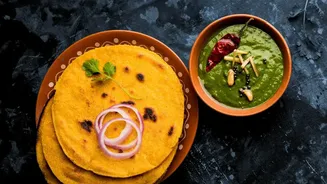
Bajra Roti: A Winter Delicacy
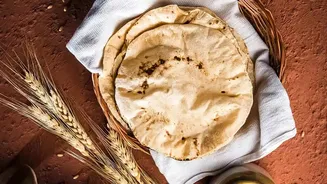
Popular in Rajasthan and Gujarat, Bajra (pearl millet) roti is a rustic, nutrient-dense flatbread known for its earthy flavour and warming properties, making it a winter favourite. Bajra flour can be slightly more challenging than jowar, but the hot water rule still applies. Knead the dough thoroughly while warm to develop a smooth texture. If the dough feels too dry, add a few drops of warm water; if it's too sticky, add a little more flour. Traditionally, Bajra rotis are shaped by hand, pressing the dough ball between your palms. Cook on a medium-hot tawa and apply ghee immediately after it comes off the flame. The ghee not only adds flavour but also seals in moisture, keeping the roti soft as it cools.
Ragi Rotti: The Pride of Karnataka
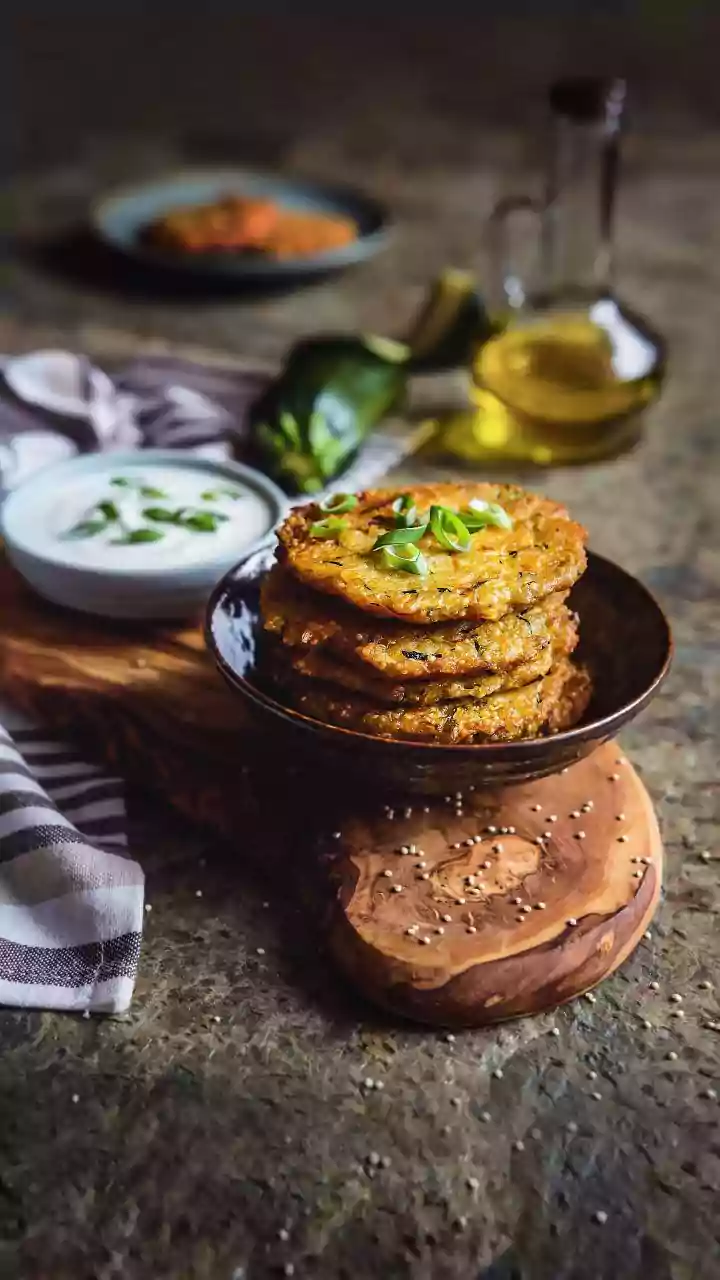
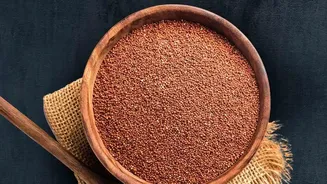
Ragi (finger millet) is a nutritional powerhouse, famous for its high calcium content. In Karnataka, Ragi Rotti is a beloved breakfast dish, often prepared with finely chopped onions, green chillies, coriander, and sometimes grated coconut mixed directly into the dough. To prepare the dough, boiling water is poured over the ragi flour, which is then mixed with the other ingredients. Because this dough is very soft and sticky, it's traditionally patted out directly onto a banana leaf, a piece of parchment paper, or even a wet cloth. This allows you to get it very thin without it breaking. The rotti is then carefully flipped onto a hot griddle to cook.
Beyond Rotis: Simple Millet Breads
The principles of millet cooking can also be applied to simple, no-yeast breads. For a beginner-friendly approach, you can start by replacing a portion of your regular wheat flour with millet flour, such as in a 50-50 blend. This allows you to get the nutritional benefits of millets while retaining the easier handling of a gluten-based dough. For a fully gluten-free millet bread, ingredients like psyllium husk are essential. Psyllium husk forms a gel when mixed with water and acts as a binder, giving the bread structure and a pleasant crumb. These quick breads typically use baking powder for leavening and are baked in a loaf pan, offering a simple entry into the world of millet baking.