



The Freight Superhighway Is Now Open
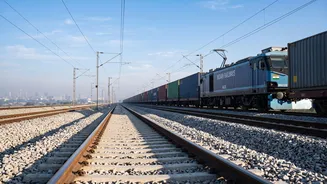
After nearly two decades of construction, the Western Dedicated Freight Corridor (WDFC) is now fully operational. This 1,506-kilometre-long, high-capacity railway line was built exclusively for goods trains. It connects Dadri in Uttar Pradesh to the Jawaharlal
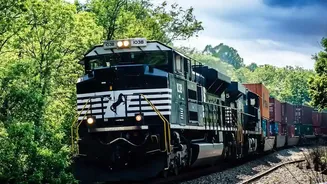
Nehru Port (JNPT) in Navi Mumbai, creating a freight superhighway that bypasses the congested passenger network. On September 8, 2026, the final sections connecting the corridor directly to JNPT were inaugurated, marking the completion of a project that fundamentally changes how goods move across western India. These new lines are designed to handle double-stack container trains running at higher speeds, a significant upgrade from the existing system.
How Freight Clogged the Lifeline
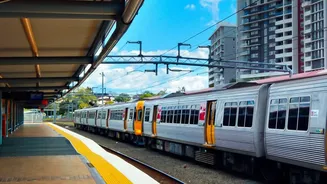
Until now, Mumbai’s suburban railway network, the city's lifeline, has been forced to share its tracks. Slow-moving goods trains and long-distance passenger express trains all compete for space with the local services that carry millions of commuters daily. This mixed traffic is a primary cause of congestion, delays, and capacity constraints. Freight trains, which are heavier and slower, often get lower priority than passenger trains, leading to operational bottlenecks across the network. The main railway lines leading into and out of Mumbai have been operating at over 115% of their capacity, making it nearly impossible to add more local services, especially during peak hours.
Segregation Unlocks New Potential
The core purpose of the WDFC is to segregate freight and passenger traffic. By shifting the bulk of goods trains onto their own dedicated, parallel tracks, the existing railway lines are freed up. This diversion of traffic is the key to unlocking new capacity. With freight trains no longer needing to jostle for slots on the main lines, railway authorities gain the flexibility to run more passenger services. For Mumbai, this means the tracks previously occupied by goods trains heading to the port can now be repurposed. It creates new, valuable time slots that can be filled with additional local train services, directly addressing the peak-hour demand. One section of the WDFC, for instance, bypasses the entire Western Railway territory between Virar and Dahanu, freeing up that corridor for more local trains.
What This Means for Your Daily Commute
The most tangible benefit for Mumbaikars will be the potential for an increased frequency of local trains. With freed-up track capacity, Indian Railways can introduce more services, especially on the heavily congested Western and Central lines. This could lead to less crowding in each train and reduced waiting times on platforms. In recent years, Western Railway has already been working to increase capacity by converting 12-car rakes to 15-car ones, which adds about 25% more carrying capacity per train. The additional track availability from the WDFC will complement these efforts, allowing for both longer and more frequent trains, ultimately improving the comfort and safety of daily commuters. This will be particularly felt in the sections beyond Virar, where track congestion has severely limited the number of services.
Broader Wins for Punctuality and the Economy
The impact extends beyond just adding more trains. With fewer freight trains on the main lines, the punctuality of existing local and long-distance passenger services is expected to improve. Fewer unexpected delays caused by freight train movements mean a more reliable timetable for everyone. Economically, the WDFC is a game-changer. It will significantly reduce logistics costs by making rail transport faster and more efficient, with goods reaching the port from the northern hinterland in hours instead of days. This boosts the competitiveness of industries and is expected to strengthen India's position in the global supply chain. For Mumbai, the efficient functioning of its port without choking its suburban rail network is a massive operational and economic victory.