




How Weak is the Monsoon, Really?
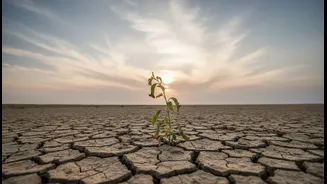
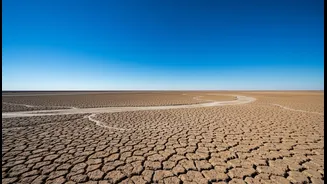
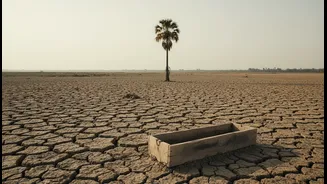
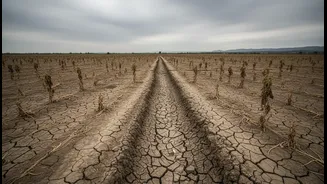
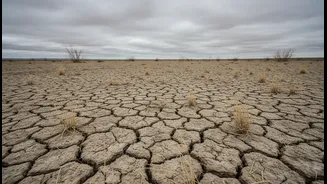
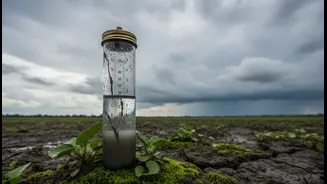
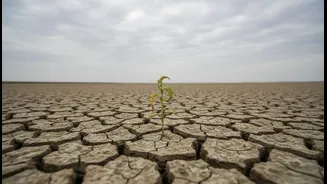
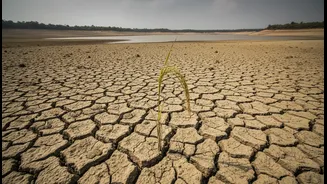
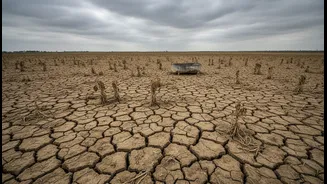
Let's start with the facts. As of early July, Goa is experiencing a significant rainfall deficit. According to a report from July 9, the seasonal rainfall deficit for the state has increased to 26.7%. While late June and early July saw some heavy showers
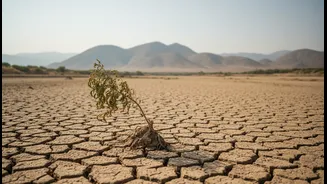
that improved the situation from an even larger deficit, the monsoon has weakened again. July is typically a peak monsoon month, but rainfall has been light to moderate recently. This has led to warmer, sunnier days than usual for this time of year, with temperatures nearly three degrees above normal. This pattern follows a trend, with June 2026 also recording a 34% rainfall deficit, making it one of the driest Junes in recent memory.
The Bigger Picture: Water Woes and Local Impact
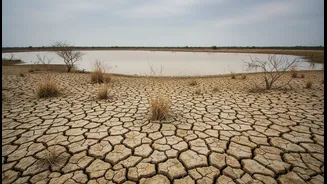
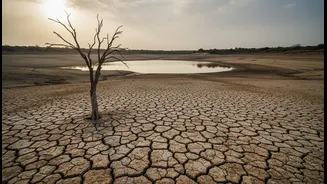
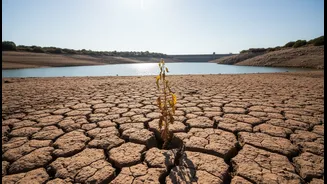
The weaker rains have a serious knock-on effect for Goa's residents. Water levels in the state's major reservoirs are a primary concern. Sustained rainfall in early July helped levels rise, but they remain below where they should be for this time of year. For instance, the Selaulim reservoir, which supplies water to most of South Goa, is only at 42.5% capacity as of July 7; it usually overflows by this time. Officials now predict the iconic spillover might not happen until August. The Anjunem Dam in Sattari was only 15% full in early July. This delayed filling of reservoirs raises concerns about water availability for drinking and irrigation in the coming months, and the government has already considered issuing water conservation guidelines.
Should You Cancel Your Trip?
The short answer is: not necessarily. But you should adjust your expectations. A classic Goan monsoon trip involves dramatic downpours, lush green landscapes, and overflowing waterfalls. This year, you might experience more sunny breaks and less intense rain. This isn't necessarily a bad thing—it could mean more time for beach walks or exploring without getting drenched. However, if your heart was set on seeing Dudhsagar Falls in its full, roaring glory, you might be disappointed as the flow is likely to be weaker. The key is to be flexible. Travel and flight disruptions can still occur, as heavy rain spells are still possible and have caused delays and alerts.
The New Monsoon Vibe: What to See and Do
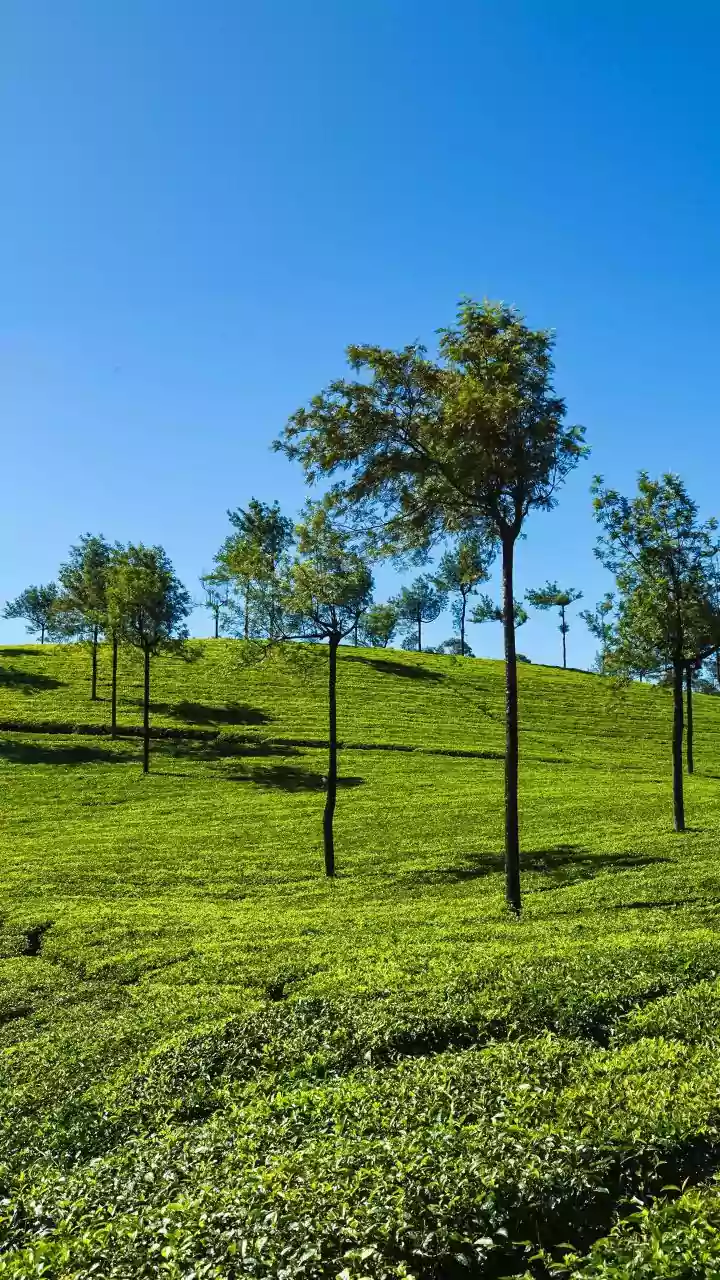
A different kind of monsoon opens up different opportunities. With more dry spells, this is a great year to explore Goa beyond its beaches. Consider heritage walks through the charming Latin Quarter of Panjim (Fontainhas), which is less crowded this time of year. Explore the state's spice plantations, which are still green and fragrant. This is also an ideal time for culinary tourism—dive into Goa’s unique food scene, from traditional fish thalis to Portuguese-influenced dishes. Many wellness retreats and yoga centers also offer monsoon packages that don't depend on heavy rain. While some waterfalls might be less impressive, the green paddy fields and misty mornings still offer plenty of scenic beauty.
How to Travel Responsibly in These Conditions
Given the potential for water shortages, this is a year to be a particularly mindful traveller. Simple actions can make a big difference. Be extremely conservative with your water use in hotels and guesthouses. This means shorter showers and ensuring taps are fully turned off. Ask your hotel about their water sources and conservation practices. Since the local economy can be affected by shifts in weather and tourism patterns, make an effort to support local businesses, artisans, and restaurants. By being a conscious tourist, you can still have a fulfilling trip while respecting the local environment and community as they navigate these unusual weather patterns.