




The Science of Sticky Nights
High humidity sabotages sleep by disrupting your body's natural air conditioning system. We cool down through a process of thermoregulation, where sweat evaporates from our skin, taking heat with it. But when the air is already saturated with moisture—as
is common when humidity levels climb above 60%—that sweat has nowhere to go. As a result, it clings to the skin, leaving you feeling clammy and overheated. This discomfort leads to tossing and turning, preventing you from reaching the deeper, more restorative stages of sleep. Furthermore, very humid environments are ideal breeding grounds for allergens like dust mites and mould, which can trigger respiratory issues and further disrupt rest.
Creating Your Comfort Zone with Air
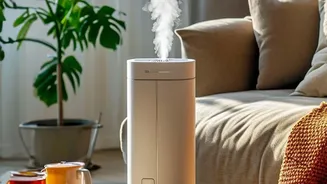
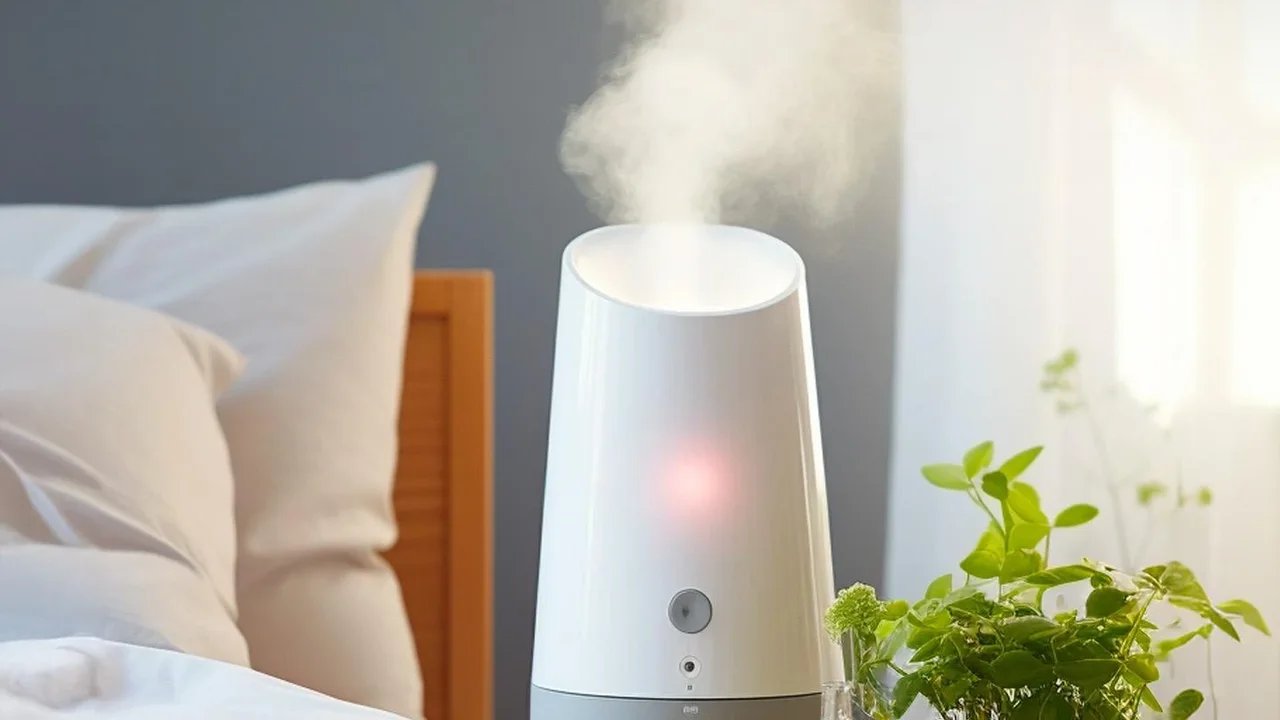
Controlling the air in your bedroom is the first step toward reclaiming your sleep. While an air conditioner is a direct solution because it actively removes moisture as it cools, it's not the only option. Strategic use of fans can make a significant difference. Instead of pointing a fan directly at yourself, try positioning it to create cross-ventilation. Place one fan facing out of a window to push hot, humid air out, and another to circulate the cooler air inside. This constant movement helps sweat evaporate more effectively. A dehumidifier is another powerful tool specifically designed to pull excess moisture from the air, helping you maintain the ideal indoor humidity level of 40% to 60%. Simple habits, like running the exhaust fan after a shower and avoiding drying laundry in the bedroom, also prevent adding unnecessary moisture to your sleep space.
Your First Defence: Breathable Sleepwear
The fabrics you wear to bed are your personal microclimate. On a humid night, synthetic materials like polyester or heavy cottons act like a trap for heat and moisture. The key is to choose lightweight, natural fibres that breathe. Loose-fitting cotton pyjamas are a classic choice for a reason; the material is soft and allows for some airflow. However, for peak performance in high humidity, consider linen. Made from flax fibres, linen is exceptionally breathable and dries incredibly quickly, meaning it won't feel damp and clammy if you do sweat. Another excellent option is bamboo rayon, which is known for its softness and moisture-wicking properties, pulling sweat away from the skin to help it evaporate faster. Choosing the right sleepwear is a simple but effective way to reduce that sticky, uncomfortable feeling.
The Right Sheets for Restful Nights
Just like sleepwear, your bedding can either be a source of relief or a cause of misery on humid nights. Many people believe a high thread count equals high quality, but in humid climates, the weave is far more important. Look for sheets made from breathable materials like cotton, linen, or bamboo. For cotton, choose a percale weave. Percale is a simple, grid-like weave that creates a crisp, light fabric with excellent airflow, unlike the silkier but less breathable sateen weave. Linen sheets are often considered the champion for humid weather. The natural, loose weave of the flax fibres allows for maximum air circulation, and the fabric itself can absorb a significant amount of moisture without feeling wet. Bamboo sheets are another strong contender, celebrated for their ability to wick moisture away from the body, keeping you feeling drier and more comfortable throughout the night. These fabrics prevent heat and sweat from getting trapped between you and your mattress.