








The Post-Workout Protein Mandate
After a tough workout, your muscles are crying out for repair. This process, known as muscle protein synthesis (MPS), is your body’s way of rebuilding and strengthening muscle fibres that were broken down during exercise. The essential tools for this
job are amino acids, the building blocks of protein. For anyone active, but especially for those on a plant-based diet, ensuring a sufficient intake of high-quality protein right after a workout is non-negotiable. Delaying or falling short on this crucial nutrient can lead to slower recovery, prolonged muscle soreness, and compromised performance in your next session. While animal proteins are often seen as the go-to for recovery, plant-based proteins can be just as effective—if you know how to choose and use them correctly. The goal is to supply your body with a complete profile of essential amino acids to get the repair process running efficiently.
Not All Protein Is Created Equal
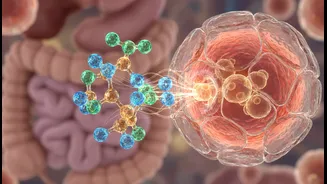
Here's a crucial concept: the protein you eat isn't necessarily the protein your body absorbs. This is where digestibility comes in. Scientists use scoring systems like the Protein Digestibility-Corrected Amino Acid Score (PDCAAS) and the more modern Digestible Indispensable Amino Acid Score (DIAAS) to measure a protein's quality. These scores consider a protein's amino acid profile and how easily the body can break it down and absorb it. Animal proteins like whey and casein typically have high scores. Many plant proteins, on the other hand, can have lower digestibility scores. This is often due to two main factors: having a lower amount of one or more essential amino acids (like lysine in grains or methionine in legumes) and the presence of certain plant compounds that can interfere with digestion.
The 'Anti-Nutrient' Hurdle
The term 'anti-nutrient' sounds alarming, but these compounds are a natural part of plants' defence systems. The main ones that affect protein digestion are phytates, tannins, and protease inhibitors, which are commonly found in grains, legumes, and seeds. Phytates can bind to minerals, while tannins and protease inhibitors can interfere with the enzymes your body uses to break down proteins. This doesn't make these foods 'bad'—in fact, many of these compounds also have antioxidant benefits. However, their presence does mean that a smaller percentage of the protein in raw or unprocessed plant foods might make it to your muscles. For an athlete looking to optimize recovery, knowing how to work around these compounds is a game-changer.
Unlock Your Protein's Full Potential
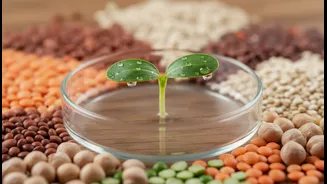
The good news is that simple, traditional food preparation methods can dramatically reduce anti-nutrients and boost protein digestibility. Soaking beans, lentils, and grains in water overnight and then discarding the water can wash away many of these compounds. Sprouting is another powerful technique; it activates enzymes within the seed that naturally break down phytates and protease inhibitors. Cooking, especially boiling, is also highly effective at degrading lectins and other heat-sensitive anti-nutrients. Fermentation, the process used to make foods like tempeh from soybeans, is perhaps one of the most effective methods. It uses beneficial microbes to pre-digest the proteins and reduce anti-nutrients, making the final product much easier for your body to absorb. Studies have shown that fermentation can significantly improve the amino acid absorption from pea and rice protein blends.
The Power of Smart Combinations
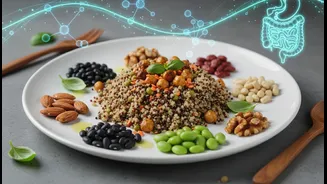
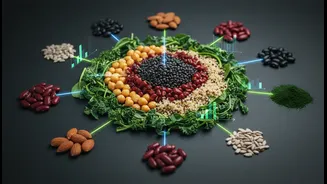
Beyond preparation, strategic food pairing is a cornerstone of effective plant-based nutrition. Since most plant proteins are low in at least one essential amino acid, combining different sources in a single meal ensures you get the full spectrum your body needs for optimal muscle repair. This is the classic principle behind dishes like rice and beans, where the lysine-rich beans complement the methionine-rich rice. Modern plant-based protein powders often do this for you, blending sources like pea (high in lysine) and rice (high in methionine) to create a complete and highly effective post-workout supplement. Research suggests that consuming a high-quality plant protein blend in adequate doses (around 30 grams) can stimulate muscle recovery at levels comparable to whey protein.