


The Essential Emergency Gear
Packing for a monsoon trek is about managing water and staying safe, not just staying dry. The single most important rule is to avoid cotton, which absorbs water, stays wet, and can lead to hypothermia. Instead, build your kit around quick-drying synthetic
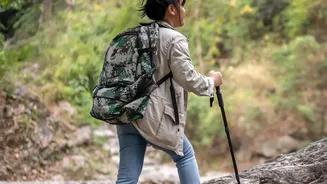
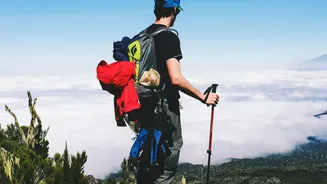
fabrics and robust waterproofing. Your footwear should have high-grip soles to handle slippery, moss-covered rocks. A good poncho is often better than a jacket, as it covers you and your backpack. Inside your pack, use dry bags or zip-lock pouches to create a secondary layer of protection for electronics, a first-aid kit, and a complete set of dry clothes for after the trek. Also essential are anti-leech socks for forested trails, a reliable headlamp for low visibility, and a power bank, as phone batteries can drain quickly in the cold and damp.
Navigating Route Rules and Regulations
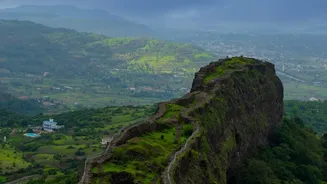
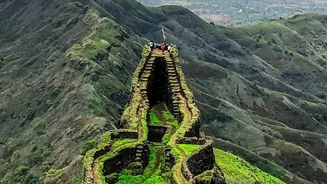
Gone are the days of spontaneous, unregulated trekking. In 2026, many states have implemented strict rules to ensure trekker safety. In Karnataka, for instance, online registration via the official forest department portal is mandatory for most popular trails in the Western Ghats. There are no spot bookings. Furthermore, trekking without a certified local guide is now prohibited in many designated forest areas, with a mandatory guide-to-trekker ratio of 1:10 enforced on popular routes like Kudremukh and Netravati. Several high-risk trails known for flash floods or near-vertical slippery sections, like Harishchandragad's Nalichi Vaat or Harihar Fort's rock-cut steps, are often banned during peak monsoon months. Always check the latest advisories from the local forest department before planning your trip, as bans on entry to waterfalls and forts can be enacted with little notice. Ignoring these rules can lead to fines and legal action.
Hiring a Guide and Understanding Risks
The primary dangers on a monsoon trek are not just the rain, but flash floods, slippery rock faces, and swollen streams. A local guide is invaluable not just for navigation but for their understanding of these specific risks. They can identify signs of rising water levels or predict which paths become impassable after a downpour. Many states now mandate guides for safety. Independent trekkers must understand that a clear stream can become a raging torrent in minutes due to upstream rainfall you cannot see. Incessant rain and mist can cause disorientation, making even familiar trails difficult to follow. A guide's presence is a critical safety measure, helping to prevent accidents and ensuring you can be located in an emergency. Many regulations now require trekkers to install a temporary tracking app on their phones for monitoring.
Your Environmental Responsibilities
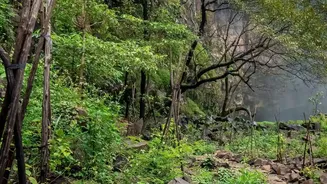
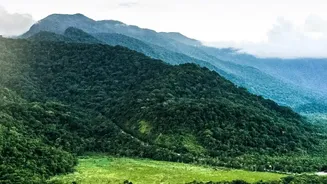
The increasing popularity of trekking has put immense pressure on the fragile ecosystems of the Western Ghats. Responsible trekking is a non-negotiable part of the experience. The core principle is 'Leave No Trace.' This means you must carry back everything you take with you, including food wrappers and plastic bottles. Do not litter. Stick to marked trails to prevent soil erosion and disturbance to flora and fauna. Do not use soap or shampoo in streams, as these are often the primary water source for local communities and wildlife. Avoid plucking flowers or plants. Many areas now prohibit single-use plastics. The goal is to leave the environment exactly as you found it, preserving its beauty for future generations to enjoy.