





The People’s Vegetable
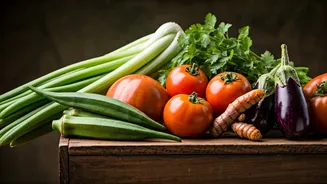
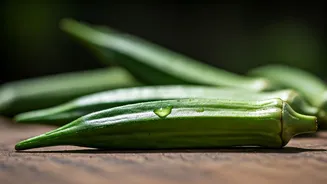
Few vegetables hold a place in the Indian heart quite like bhindi, also known as okra or lady's finger. It’s a staple of dabbas and dinner tables, a reliable companion to dal and roti. Its return signals the shift in seasons, a promise of comforting,
home-cooked meals. For many, the taste of a simple bhindi fry is intertwined with memories of childhood, of mothers expertly chopping it in the morning light, of the satisfying crunch that announces a meal is ready. It’s not a fancy, gourmet ingredient; its beauty lies in its accessibility and its ability to transform from a simple side dish to the star of the plate. Whether you’re in a bustling city or a quiet village, the love for bhindi is a shared culinary language.
Conquering the Slime Factor
Let’s address the elephant in the room: the infamous slime. Every bhindi lover has a story of a dish gone wrong, resulting in a gooey, unappetising mess. But mastering bhindi is a rite of passage for any Indian home cook, and the secret lies in a few simple rules. First, moisture is the enemy. Always wash your bhindi and then pat it completely dry with a cloth or paper towel before you even think about chopping it. Some cooks swear by wiping each pod individually. Second, a touch of acid works wonders. A squeeze of lemon juice, a dash of amchur (dry mango powder), or a spoonful of yogurt towards the end of cooking can help cut the viscosity. Finally, cook it on high heat. Whether you’re pan-frying or stir-frying, high heat sears the outside quickly, cooking the bhindi before it has a chance to release its mucilage. Follow these steps, and you’ll achieve perfectly crisp, non-slimy bhindi every time.
Beyond the Basic Bhindi Fry
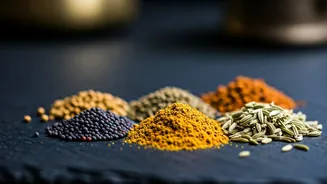
While a simple bhindi fry with turmeric and salt is a comfort food classic, this versatile vegetable has so much more to offer. Its genius lies in its ability to adapt to a wide array of spices and cooking styles across different regions. Craving crunch? Try ‘Kurkuri Bhindi,’ where thin slices are coated in gram flour and spices and then deep-fried to crispy perfection, making for an irresistible snack or side. For something more substantial, North India’s ‘Bharwa Bhindi’ (stuffed okra) is a flavour bomb, with each pod slit and filled with a fragrant mixture of roasted spices, onions, and garlic. Head south, and you’ll find ‘Bendakaya Pulusu,’ a tangy Andhra-style tamarind curry where bhindi is simmered until tender. In the east, Bengali cuisine offers ‘Sorse Bhindi,’ a pungent and delicious preparation with a sharp mustard paste. These dishes are a testament to bhindi’s incredible range, proving it can be crispy, tangy, spicy, and everything in between.
A Humble Nutritional Powerhouse
Beyond its delicious taste and versatility, bhindi also packs a surprising nutritional punch. It’s not just filler on your plate; it’s a low-calorie vegetable that is an excellent source of dietary fibre. This fibre is crucial for good digestion and can help in maintaining stable blood sugar levels. Furthermore, bhindi is rich in vitamins C and K, as well as antioxidants. Vitamin C is essential for a healthy immune system, while Vitamin K plays a vital role in bone health. So, every time you enjoy a serving of your favourite bhindi sabzi, you’re not just treating your taste buds—you’re also nourishing your body with a host of essential nutrients. It's the kind of everyday superfood that doesn't need a fancy label or a high price tag.