


Craving the bold, buttery flavours of Indian street food? Enter Paneer Ghotala, a messy, spicy, and utterly delicious scramble that hails from the streets of Surat. Here's everything you need to know to master this iconic dish at home.
What Exactly Is a 'Ghotala'?
To understand the
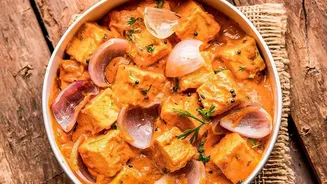
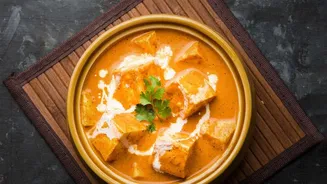
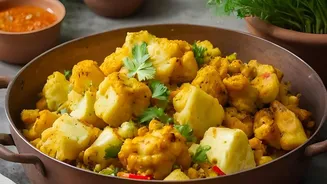
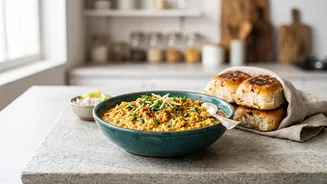
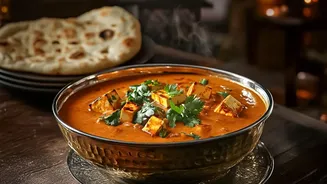
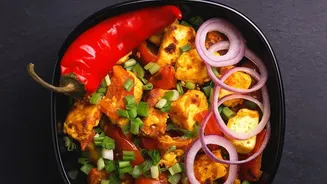
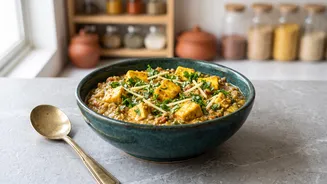
dish, you first need to understand its name. In Hindi and Gujarati, 'ghotala' can translate to 'mess' or even 'scam'. While it sounds unusual for a food item, it perfectly captures the spirit of this dish. The ingredients—primarily grated paneer, onions, tomatoes, and a host of spices—are cooked and mashed together on a large pan, or tava, into a glorious, flavour-packed scramble. It’s a delightful mess where individual components merge into a unified, rich whole. Originating in Surat, Gujarat, Paneer Ghotala is the popular vegetarian adaptation of Anda Ghotala (egg ghotala), created to bring the same satisfying texture and bold flavours to a wider audience.
The Street-Food Spice Signature
The heart of any great Ghotala is its unique masala blend. While standard Indian spices like turmeric, coriander, and red chilli powder form the base, the secret to achieving that authentic street-food taste often lies in one key ingredient: pav bhaji masala. This specific blend, synonymous with Mumbai's bustling food stalls, imparts a tangy, savoury depth that sets Paneer Ghotala apart from a simple paneer bhurji. Many vendors also use a fresh green chutney, or 'leela masala', made from coriander, green garlic, and chillies, as the foundational flavour. This, combined with generous amounts of butter, creates an indulgent and unforgettable dish.
Getting the Texture Right
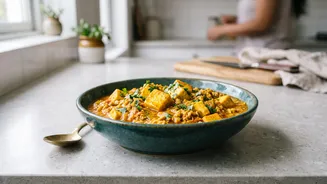
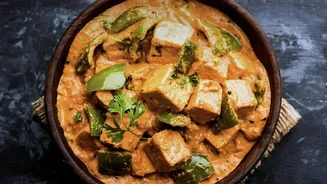
Paneer Ghotala is distinct from paneer bhurji, and the main difference is texture. For Ghotala, the paneer is typically grated on a large-hole grater rather than just crumbled. This ensures that when cooked, it partially melts into the spicy tomato-onion gravy while still retaining some body. Some recipes even call for a mix of grated, crumbled, and cubed paneer to create more textural variety. As the ingredients cook, they are lightly mashed together with a masher, just enough to combine everything into a cohesive, semi-smooth curry. The goal is a 'messy' consistency, not a completely smooth paste, allowing the different elements to shine through in every bite.
Building the Perfect Flavour Base
The cooking process starts with a flavourful base, often a combination of both oil and butter for a balanced richness. Finely chopped onions are sautéed until soft and translucent, followed by a ginger-garlic paste and green chillies. Finely chopped or grated tomatoes are then added and cooked down until they become soft and jammy, and the oil begins to separate from the masala. At this stage, the powdered spices—turmeric, red chilli powder, coriander powder, and the all-important pav bhaji masala—are added and fried for a minute to release their aromas before the paneer is introduced. Some variations also include finely chopped capsicum for an extra layer of flavour and texture.
How to Serve It Like a Pro
Paneer Ghotala is traditionally served hot, straight off the tava. The classic pairing is with buttered pav, soft bread rolls that are often toasted on the same pan with a sprinkle of the ghotala masala. The fluffy pav is perfect for scooping up the rich, spicy gravy. For an authentic street-style experience, serve the ghotala with a generous dollop of butter on top, a sprinkle of fresh coriander, and perhaps a side of finely chopped raw onions for a crunchy contrast. While pav is the most common accompaniment, this versatile dish also pairs wonderfully with roti, parathas, or even as a filling for a dosa.