







As seasons change, the familiar chorus of coughs and sneezes begins. It’s no coincidence. More time spent indoors for warmth, work, and festive gatherings directly correlates with a rise in seasonal illnesses. Here’s the science behind it.
The Great Indoors Problem
When the weather
cools, we naturally seek shelter. This migration indoors, however, puts us in closer and more prolonged contact with others. Whether it's a crowded office, a family gathering, or a shopping mall, enclosed spaces mean we are sharing more than just stories—we are sharing the same air. This shared air can become concentrated with infectious particles released when people talk, breathe, cough, or sneeze. In a confined area with limited airflow, these viral particles can accumulate, increasing the likelihood of transmission from person to person.
It's All in the Air
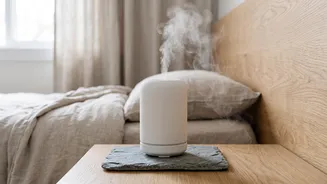
Many common respiratory illnesses—including influenza (flu), the common cold, RSV, and COVID-19—spread through droplets and smaller airborne particles called aerosols. While larger droplets fall to the ground relatively quickly, tiny aerosols can remain suspended in the air for minutes or even hours, especially in poorly ventilated spaces. Compounding this is the effect of indoor heating, which creates drier air. Some viruses thrive and travel more effectively in low-humidity environments. Dry air can cause virus-containing droplets to shrink and become lighter, allowing them to float in the air for longer periods. Furthermore, dry air can impact our body's natural defenses by drying out the moist membranes in our nose and throat, which are designed to trap viruses before they reach our lungs.
The Usual Suspects: Flu, Colds, and RSV
While their symptoms often overlap, the primary viruses of the season have key differences. Influenza often comes on suddenly with more intense symptoms like fever, body aches, and fatigue. The common cold, typically caused by rhinoviruses, tends to be milder with a gradual onset of a runny nose, sneezing, and sore throat. Respiratory Syncytial Virus (RSV) usually causes mild, cold-like symptoms in adults and older children but can be severe in infants and older adults. All these viruses spread easily indoors, making it hard to know which one you might have without testing.
How to Make Your Indoor Space Safer
You can’t avoid being indoors all season, but you can take steps to make your environment healthier. The most critical factor is ventilation. Increasing the exchange of indoor and outdoor air helps dilute and disperse viral particles. You can achieve this by opening windows and doors, even for a few minutes every hour. Using exhaust fans in kitchens and bathrooms can also help pull stale air out. For homes with central HVAC systems, upgrading to a higher-rated filter (such as a MERV-13) can help capture airborne particles. Portable air purifiers with HEPA filters are also effective at cleaning the air in a specific room.
Smart Habits for a Healthy Season
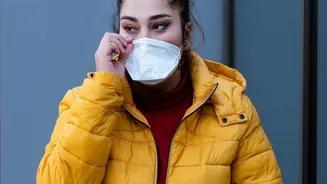
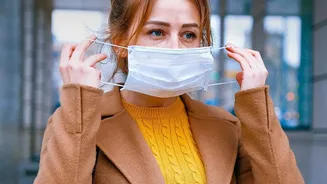
Beyond improving air quality, personal habits play a huge role in prevention. Frequent handwashing with soap and water remains one of the most effective ways to remove germs. When attending gatherings, maintaining some physical distance when possible can reduce exposure. If you or a family member feels unwell, staying home is the best way to prevent spreading illness to others. For extra protection in crowded indoor settings, especially during peak virus season, wearing a mask can provide a valuable barrier against inhaling or spreading respiratory droplets. Finally, ensuring you are up‐to‐date on recommended vaccinations for illnesses like the flu and COVID‐19 can significantly reduce your risk of severe disease.