


The Grand Plan to Bring Mars Home
For decades, scientists have dreamed of studying Martian rocks and soil in laboratories on Earth. While rovers have performed incredible science on the red planet, the most sophisticated instruments are too large to send to Mars. The Mars Sample Return
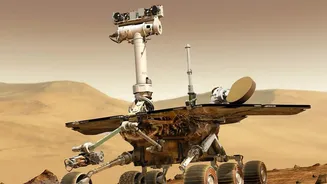
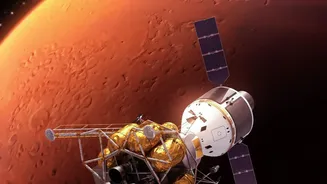
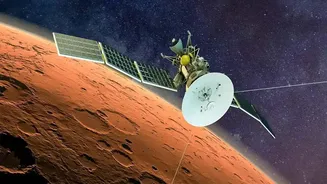
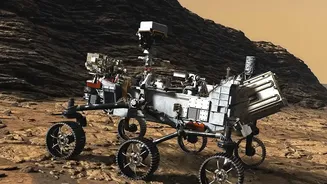
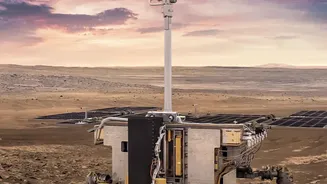
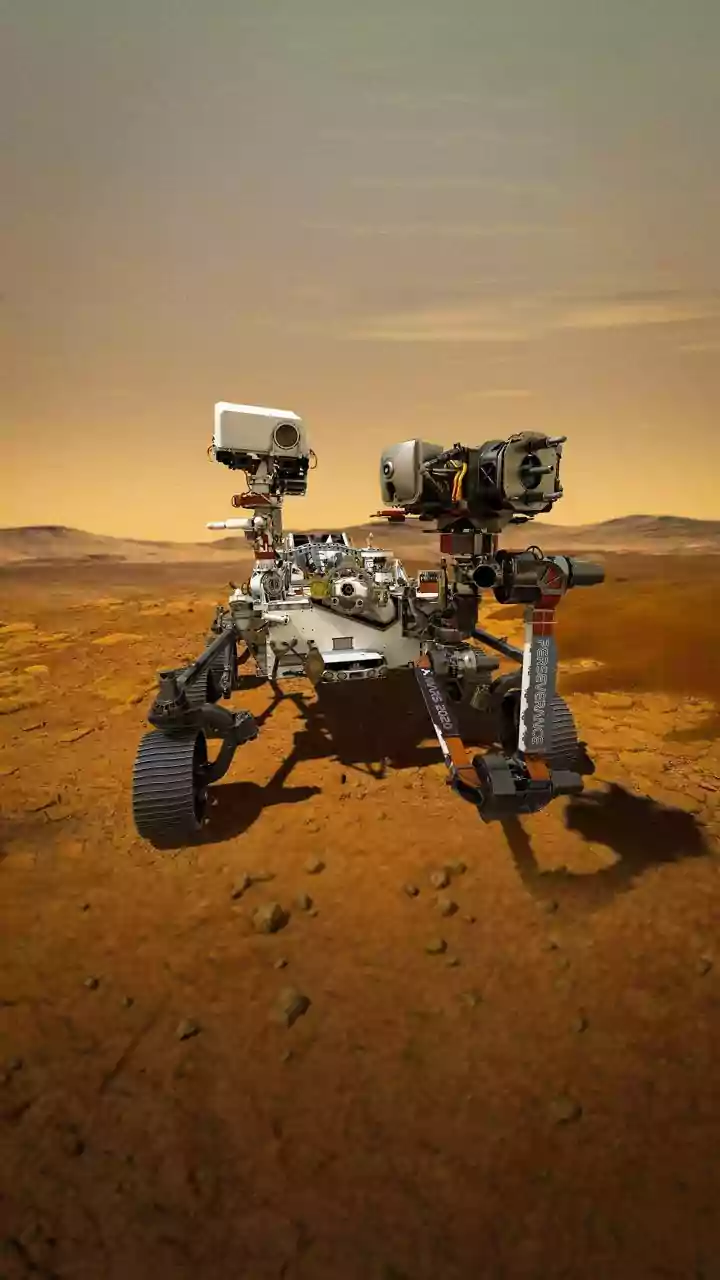
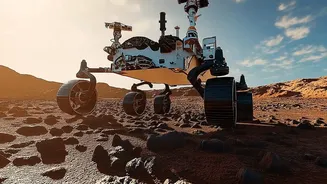
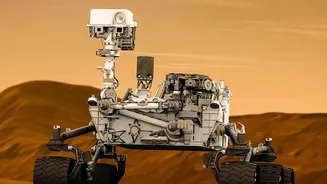
(MSR) mission was designed to bridge that gap. The plan, a joint effort with the European Space Agency (ESA), is a complex celestial ballet. It began with the Perseverance rover, which has been diligently collecting and storing rock core samples in sealed tubes in Mars' Jezero Crater since 2021. The original next step was to send a Sample Retrieval Lander to the surface, carrying a small rocket called the Mars Ascent Vehicle (MAV). Another rover or helicopters would fetch the sample tubes, load them into the MAV, which would then launch into Mars orbit—a first from another planet. An Earth Return Orbiter, provided by ESA, would capture the sample container in orbit and fly it back to Earth.
A Reality Check on Cost and Complexity
The mission's ambition is matched only by its complexity and, as it turns out, its cost. In 2023, an independent review board delivered a sobering assessment to NASA. The report concluded that the mission, as designed, was set up with 'unrealistic budget and schedule expectations from the beginning'. The board found that there was a 'near zero probability' of meeting the planned 2028 launch date and that the price tag had ballooned from earlier estimates to a potential $11 billion. NASA Administrator Bill Nelson stated the bottom line plainly: '$11 billion is too expensive, and a 2040 return date is too far away'. The review warned that the mission's spiralling costs threatened to 'cannibalize' funding from other vital NASA science missions, a risk the agency was unwilling to take.
Back to the Drawing Board
In response to the budget and schedule crisis, NASA has put the original plan on hold and is going back to the drawing board. In early November 2026, the agency announced a new initiative called the Perseverance Sample Retrieval Architecture (PSRA). This effort is designed to solicit fresh, innovative ideas from NASA centers and private industry partners to find a 'simpler, cheaper way' to get the samples home. The goal is to develop a new mission architecture that is more affordable and can return the samples in a more reasonable timeframe, ideally within the 2030s. The new strategy team is expected to kick off its work in January 2027 and deliver a final report in the winter of 2027-2028.
Why These Rocks Are Worth the Trouble
The reason NASA is scrambling to save this mission, rather than scrap it, is the immense scientific prize at stake. The samples collected by Perseverance from the ancient river delta in Jezero Crater could hold the key to one of humanity's most profound questions: are we alone in the universe? Scientists believe these rocks may contain chemical traces or even 'biosignatures' of ancient microbial life from a time when Mars was a warmer, wetter world. Studying these samples on Earth would allow for analysis far beyond the capability of any rover, using tools to search for signs of past life and better understand the planet's geology and climate history. Furthermore, analyzing the potentially hazardous Martian dust and soil is seen as a crucial step in preparing for the eventual safe arrival of human astronauts on Mars.
The Race to Return Martian Soil
The pressure on NASA isn't just budgetary. There's also an element of a new space race. While the US and Europe re-strategize, China is moving forward with its own ambitious Mars sample return mission, Tianwen-3. China's mission aims to launch around 2028 and return its samples to Earth as early as 2031. This adds a geopolitical dimension to the scientific and technical challenges, creating a sense of urgency for NASA to find a viable path forward. The outcome of NASA's new planning phase will determine whether the United States will be the first nation to unlock the secrets held within Martian rock.