



Understanding Fats and Cholesterol
Before we compare fats, let's quickly break down cholesterol. Your body has two main types: LDL (Low-Density Lipoprotein) and HDL (High-Density Lipoprotein). Think of LDL as the "bad" cholesterol; high levels can lead to plaque buildup in your arteries.
HDL is the "good" cholesterol that helps clear excess cholesterol from your body. The fats you eat directly influence these levels. Saturated fats tend to raise LDL cholesterol, while unsaturated fats can help lower it and increase HDL.
The Nutritional Profile of Ghee
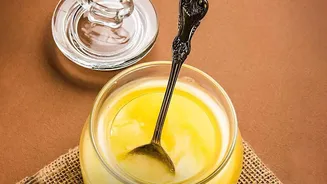
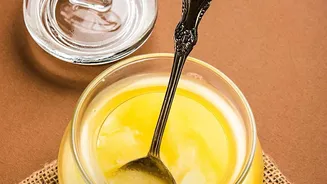
Ghee is pure butterfat, made by removing milk solids and water from butter. This process gives it a high smoke point and a rich, nutty flavour. Nutritionally, ghee is almost 100% fat, the majority of which is saturated. One tablespoon of ghee contains about 9 grams of saturated fat. Major health organisations like the American Heart Association recommend limiting saturated fat intake to less than 6% of daily calories, which is about 13 grams on a 2,000-calorie diet. While ghee contains some beneficial fat-soluble vitamins (A, E, and K), its high saturated fat content means it should be consumed in moderation, especially for those concerned about heart health. Excessive consumption can contribute to elevated LDL cholesterol levels.
The Power of Unsaturated Fats
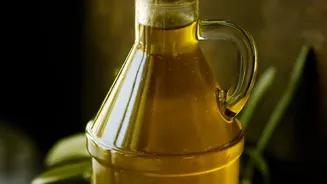
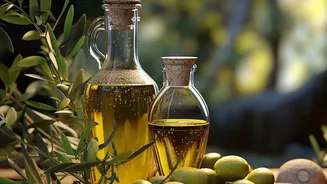
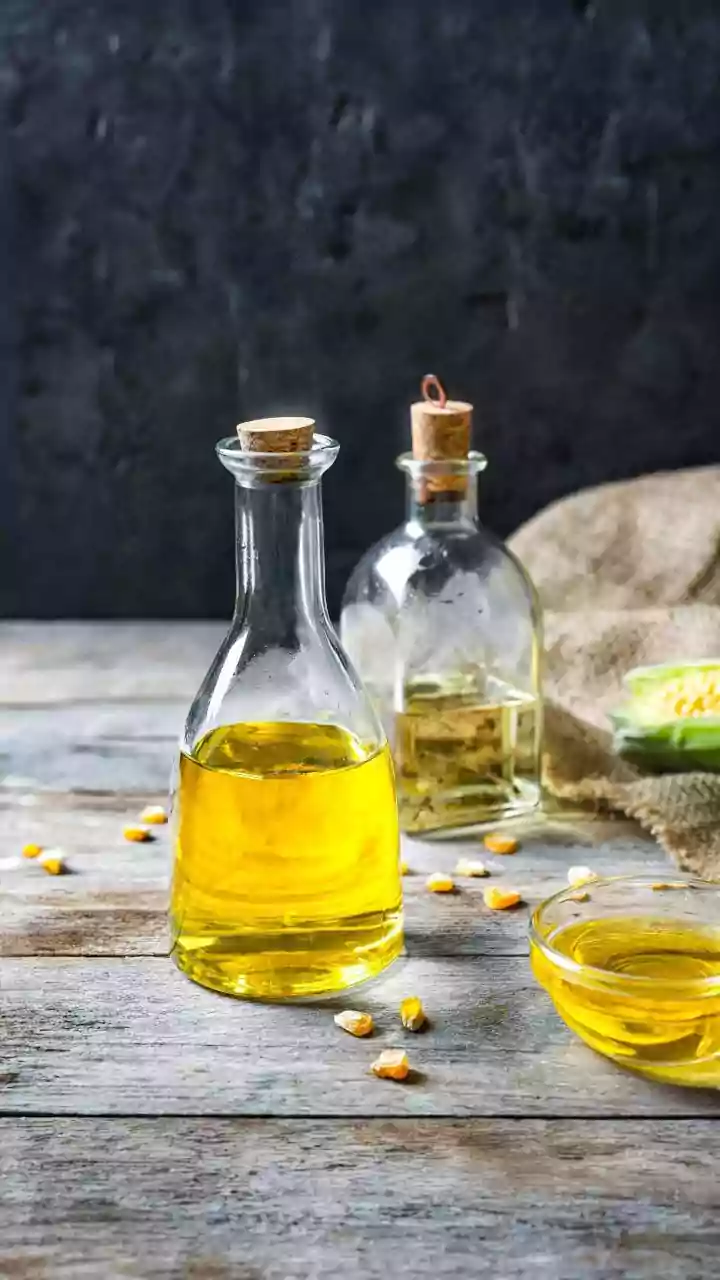
Unsaturated fats are the heart-healthy heroes. They come in two forms: monounsaturated (found in groundnut and olive oil) and polyunsaturated (found in sunflower, mustard, and flaxseed oil). These fats work to lower harmful LDL cholesterol and can even boost beneficial HDL cholesterol. Studies have consistently shown that replacing saturated fats with unsaturated fats improves cholesterol profiles and reduces cardiovascular risk. This dietary shift is a cornerstone of heart-healthy eating patterns worldwide.
Why 'Cold-Pressed' Makes a Difference
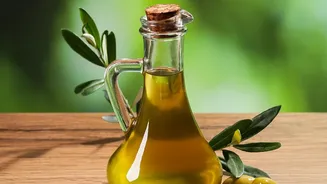
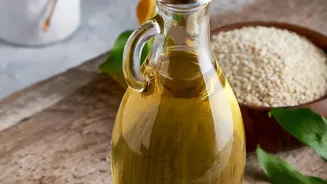
The term "cold-pressed" refers to how the oil is extracted from seeds or nuts. The process uses mechanical pressure without high heat or chemical solvents. This gentle extraction method is crucial because it preserves the oil's natural nutrients, antioxidants, and flavour. Refined oils, which are processed with heat and chemicals, often lose these beneficial compounds. Cold-pressed oils retain valuable components like vitamin E and polyphenols, which have antioxidant and anti-inflammatory properties that further support overall health.
Making Smart Swaps in the Indian Kitchen
Replacing ghee doesn't mean eliminating it entirely. It’s about creating a healthier balance. The goal is to shift the primary cooking fat towards cold-pressed unsaturated options. For daily cooking like preparing sabzis and dals, consider using cold-pressed mustard oil, groundnut oil, or sesame oil, depending on your region's culinary traditions. Ghee can be reserved as a finishing fat—a teaspoon drizzled over dal or on a roti for flavour, rather than being the main cooking medium. For deep frying, which should be infrequent, a stable oil with a high smoke point like cold-pressed groundnut or mustard oil is a better choice than ghee due to its fat profile. This balanced approach allows you to enjoy the traditional taste of ghee while prioritising your heart health.