







Understanding Your Gut Microbiome
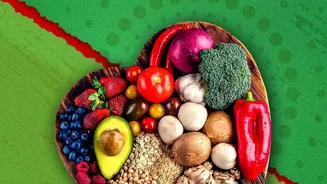
Your gut is home to trillions of microorganisms, including bacteria, viruses, and fungi, collectively known as the gut microbiome. This complex ecosystem is crucial for digestion, immune function, mental health, and even preventing chronic diseases. When
the balance of these microbes is disrupted—a state called dysbiosis—it can lead to issues like bloating, acidity, fatigue, and lowered immunity. A healthy diet is one of the most powerful tools for maintaining a balanced and diverse microbiome.
The Problem with Polished White Rice
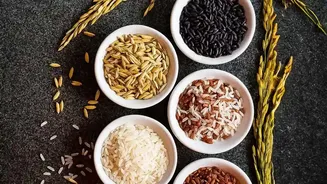
White rice, a dietary staple for millions, undergoes a refining process that strips away its outer layers—the bran and the germ. While this extends shelf life and creates a softer texture, it also removes the vast majority of its dietary fibre. With as little as 0.2g of fibre per 100g, white rice offers very little to feed the beneficial bacteria in your gut. A diet low in fibre can starve these helpful microbes, allowing less beneficial ones to thrive and potentially leading to digestive issues and inflammation.
Millets: The High-Fibre Gut Guardians
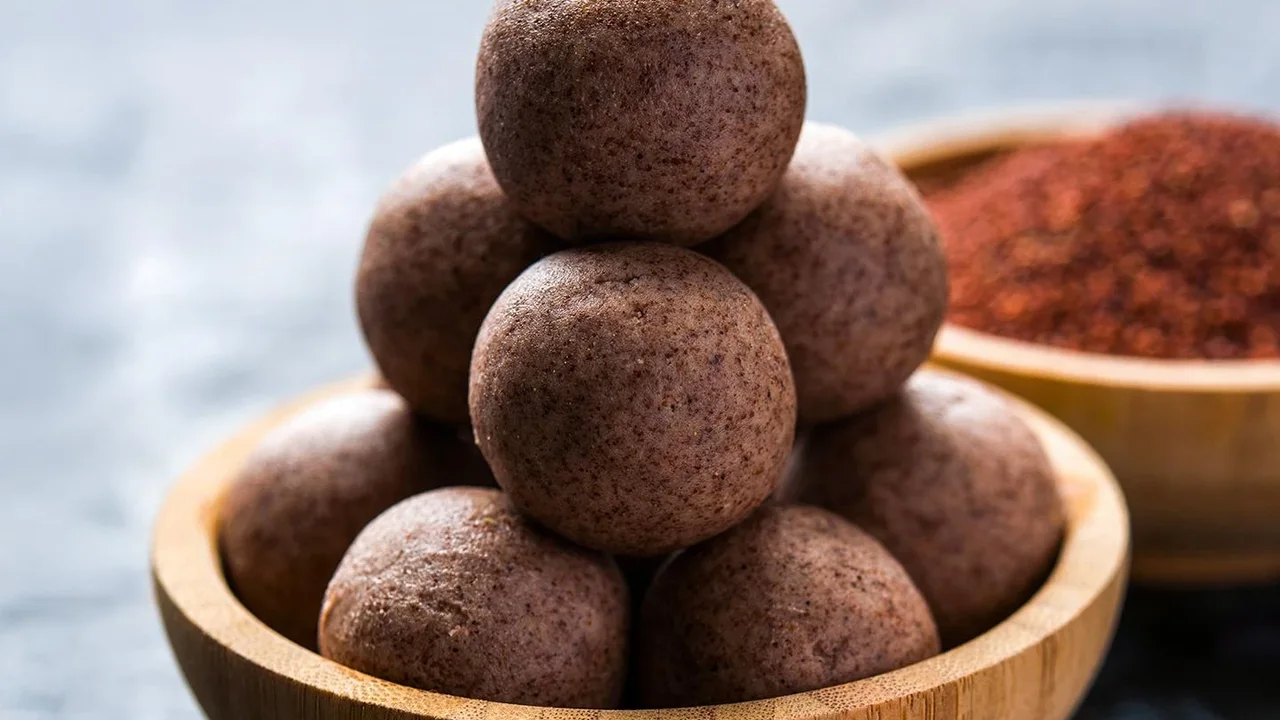
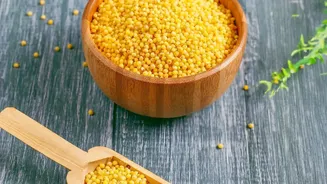
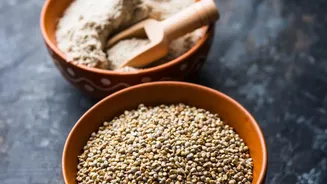
This is where ancient grains like foxtail millet (kangni) and sorghum (jowar) come in. These millets are nutritional powerhouses, but their biggest advantage over white rice is their incredible fibre content. Foxtail millet contains around 8g of fibre per 100g, while sorghum is also exceptionally rich in both soluble and insoluble fibre. This fibre is exactly what your good gut bacteria need to flourish.
How Fibre from Millets Works its Magic
The fibre in millets acts as a prebiotic, which is essentially food for your beneficial gut bacteria. As these microbes ferment the prebiotic fibres, they produce compounds called short-chain fatty acids (SCFAs). These SCFAs, such as butyrate, are vital for a healthy gut. They nourish the cells lining your colon, strengthen the gut barrier to prevent toxins from leaking into your bloodstream, and reduce inflammation. By feeding good bacteria like Lactobacillus and Bifidobacterium, millets directly help create a healthier, more resilient gut environment.
Beyond the Gut: Additional Benefits of Millets
The advantages of switching to millets extend far beyond digestion. Foxtail millet and sorghum have a much lower glycemic index (GI) than white rice, which means they release sugar into the bloodstream slowly, preventing energy spikes and crashes. This makes them an excellent choice for managing blood sugar levels and weight. Furthermore, millets are packed with more protein and essential minerals like iron and magnesium compared to their polished white rice counterpart, offering a significant nutritional upgrade to every meal.
Making the Simple Switch
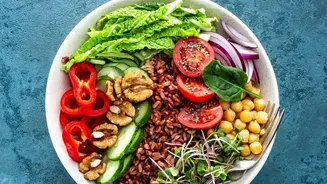
Incorporating these millets into your diet is easier than you think. You can cook them just like rice, though it's often recommended to soak them for at least 30 minutes to improve texture and digestion. Use a ratio of 1 cup of millet to 2 cups of water for a fluffy, rice-like consistency. You can use cooked foxtail millet or sorghum as a direct substitute for rice in dishes like pulav, curd rice, or alongside your favourite dal and sabzi. You can also make millet upma, porridge, or even pongal for a nutritious start to your day.