


Welcome to a World of Iron Rain
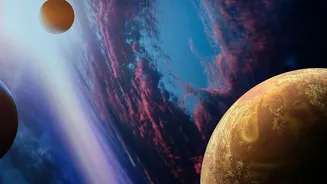
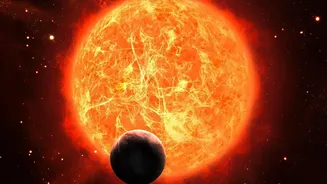
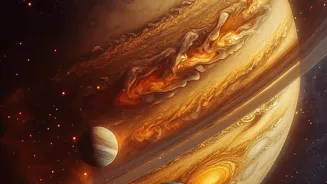
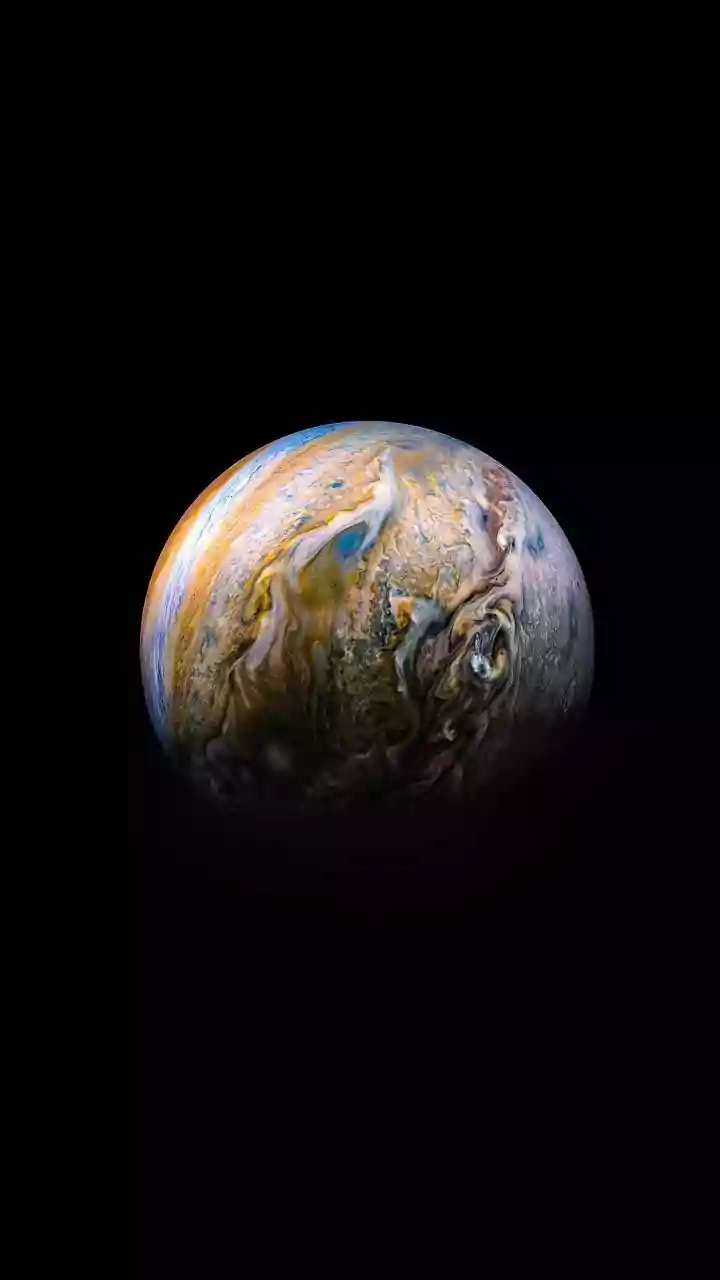
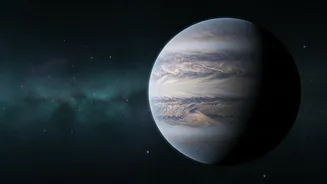
The concept sounds like something from science fiction, but it is a startling reality on ultra-hot gas giants. One of the most studied examples is a planet named WASP-76b, located about 640 light-years away in the constellation Pisces. This massive planet orbits
incredibly close to its star, creating one of the most extreme environments imaginable. The planet is 'tidally locked', meaning one side perpetually faces the star, just as the same side of the Moon always faces Earth. This creates a permanent day side and a permanent night side, with a dramatic temperature difference between them that drives the planet's bizarre weather system.
From Vapor to Molten Droplets
On the blistering day side of WASP-76b, temperatures soar above 2,400 degrees Celsius. This intense heat is enough to vaporize metals, including iron, turning them into a gas that rises into the atmosphere. From there, powerful, ferocious winds, estimated to blow in excess of 10,000 miles per hour, sweep this iron vapor from the ultra-hot day side to the cooler night side. On the planet's 'evening' border, as the vapor enters the relative cool of perpetual darkness, temperatures drop to around 1,500 degrees Celsius. This change is enough for the iron vapor to condense into liquid droplets, forming clouds of molten iron that then fall as a metallic rain.
How Telescopes See the Unseeable
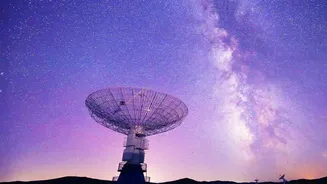
Astronomers can't see this iron rain directly, but they can detect its chemical fingerprints using a technique called spectroscopy. By observing the starlight that filters through the planet's atmosphere as it transits in front of its star, scientists can see what elements are present. Using the ESPRESSO instrument on the European Southern Observatory's Very Large Telescope (VLT) in Chile, astronomers detected a strong signature of iron vapor on the 'evening' edge of the planet, where day turns to night. Crucially, they did not detect iron vapor on the 'morning' edge, where night turns to day. The clear implication is that the iron had rained out of the atmosphere during its journey across the dark side of the planet.
A Galaxy of Extreme Weather
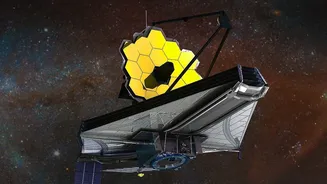
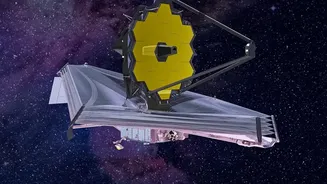
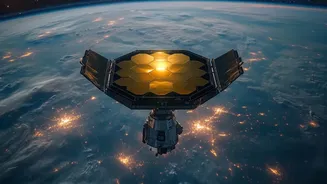
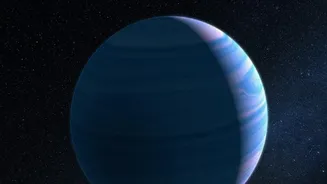
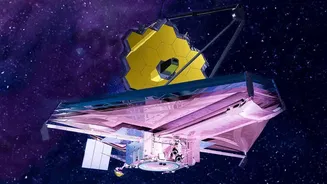
WASP-76b is not the only planet with bizarre weather. The same infrared techniques, enhanced by the power of new instruments like the James Webb Space Telescope (JWST), are revealing a gallery of strange climates across the galaxy. Other discoveries include planets where it might rain glass, and even worlds where the clouds could be made of minerals that form rubies and sapphires. These discoveries are part of a new frontier in astronomy: comparative exoplanetology. By studying these extreme atmospheres, scientists can test and refine their models of how planets form and behave under conditions vastly different from our own.
Why Mapping Alien Atmospheres Matters
Understanding the climates of these 'hot Jupiters' does more than just satisfy our curiosity about alien worlds. It provides a natural laboratory for testing the physics and chemistry of planetary atmospheres at temperatures and pressures we can't replicate on Earth. By observing how clouds of rock and metal form and dissipate, scientists gain a clearer picture of the planet’s overall composition. This work, which can now distinguish between the weather on a planet's morning and evening, is transforming our ability to characterize distant worlds and is a crucial step toward one day identifying planets that might harbour more temperate, life-friendly conditions.