

Pulao vs. Biryani: An Important Distinction
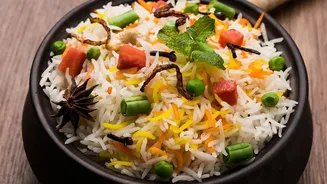
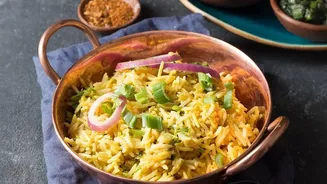
First, let's clear up a common point of confusion. While both are celebratory rice dishes, pulao and biryani are cooked differently. Pulao is a one-pot dish where rice, vegetables, and whole spices simmer together in a measured amount of liquid, allowing
the rice to absorb all the flavours as it cooks. Biryani, in contrast, involves layering par-boiled rice with a separately cooked, spiced mixture of meat or vegetables, and then finishing it on 'dum' (slow steam cooking). The result is that pulao is typically milder and quicker to prepare, making it a versatile favourite for both weeknight dinners and special occasions.
The Soul of Pulao: Choosing the Right Basmati
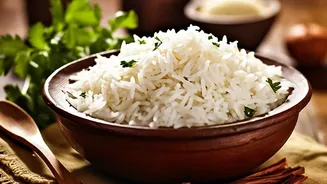
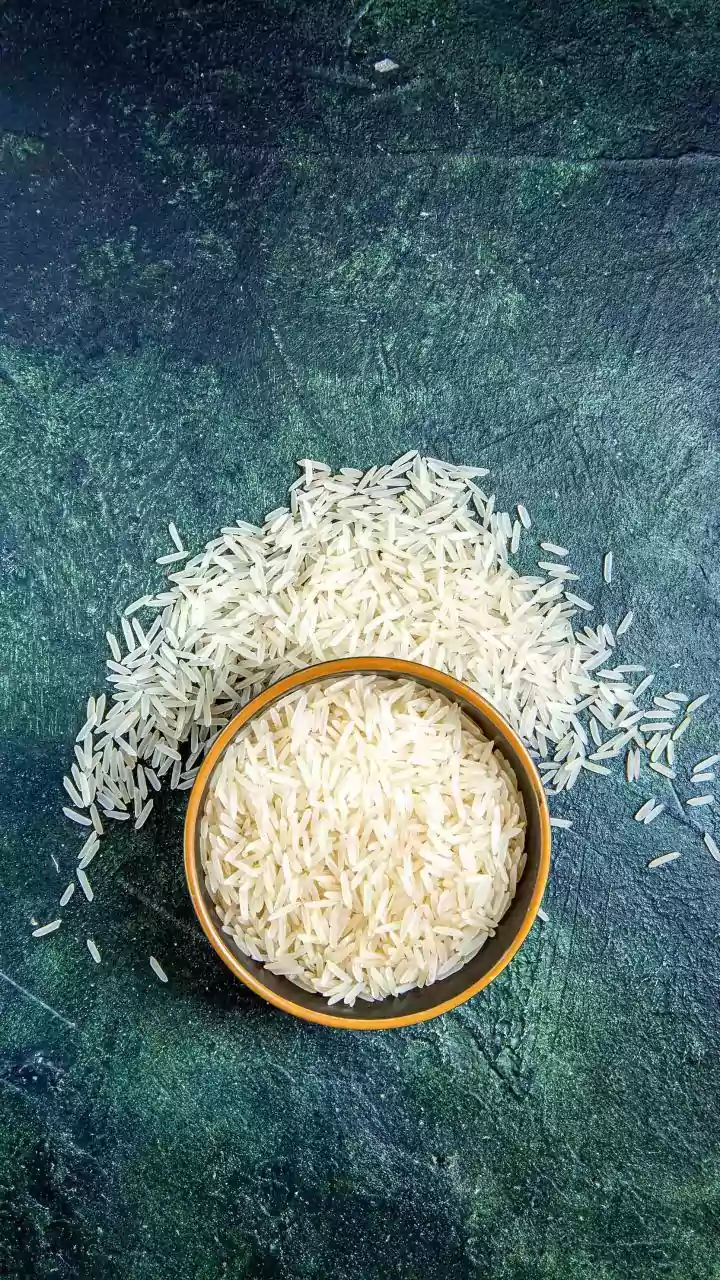
The foundation of an excellent pulao is the rice itself. For this dish, aged, long-grain basmati rice is the undisputed champion. Its unique ability to elongate and remain separate after cooking is key to achieving that desirable fluffy texture. Before cooking, rinsing the rice several times until the water runs clear is a non-negotiable step. This removes excess surface starch, which is the primary cause of sticky, mushy pulao. Soaking the rice for at least 20-30 minutes is equally crucial; it pre-hydrates the grains, allowing them to cook evenly and reach their maximum length.
A Symphony of Spices and Aromatics
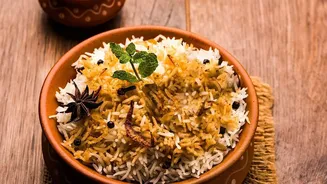
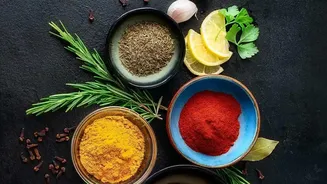
A truly memorable pulao is defined by its aroma, which comes from a careful selection of whole spices. The essentials include bay leaves, cinnamon sticks, green cardamom pods, and cloves. These aren't just for show; they must be sautéed briefly in hot ghee or oil to 'bloom' and release their fragrant essential oils. This step builds the first layer of flavour. Fresh ginger-garlic paste is another non-negotiable for its pungent depth, while fresh mint leaves add a signature coolness that distinguishes a great pulao. When sautéing, cook the onions until they are soft and transparent, but not browned, to maintain the pulao's light and savoury character.
Mastering the One-Pot Method
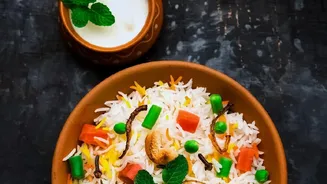
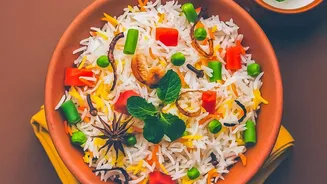
The magic of pulao lies in everything cooking together harmoniously. After sautéing the aromatics, the vegetables are added and cooked for a few minutes. Popular choices that hold their texture well include carrots, green beans, peas, and potatoes, all cut to a uniform size for even cooking. Next, the drained, soaked rice is gently folded in and sautéed for a minute to coat the grains in the flavourful fat. Then, the cooking liquid—often water, but sometimes enhanced with broth, milk, or coconut milk for richness—is added. A common ratio is about 1.5 to 1.75 parts water for every 1 part of soaked rice. Once the liquid is added, it's brought to a boil, then the heat is lowered, the pot is covered, and the pulao is left to simmer undisturbed.
The Final Flourish: Rest and Fluff
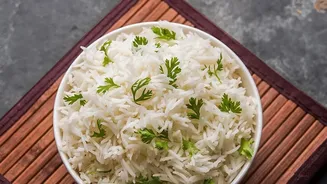
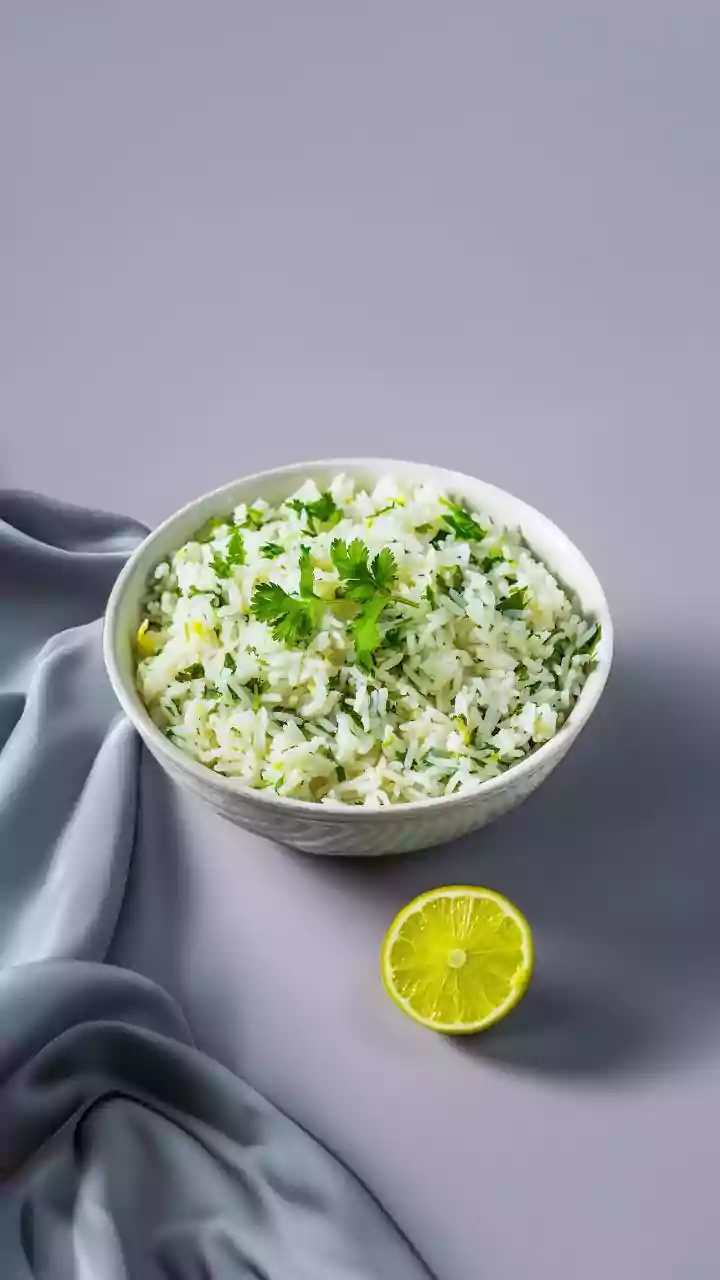
Patience is the final ingredient. Once all the liquid is absorbed and steam vents appear on the surface, turn off the heat but do not open the lid. Letting the pulao rest, covered, for at least 10 minutes is a critical step. This allows the residual steam to finish cooking the grains evenly, ensuring a perfect texture from top to bottom. Over-stirring during cooking can break the delicate basmati grains and make the dish mushy, so resist the urge to peek. After the resting period, gently fluff the rice with a fork, not a spoon, to separate the long, elegant grains without breaking them. Garnishing with fresh coriander or fried onions can add a final layer of texture and freshness before serving.