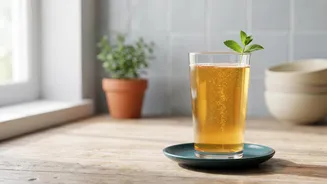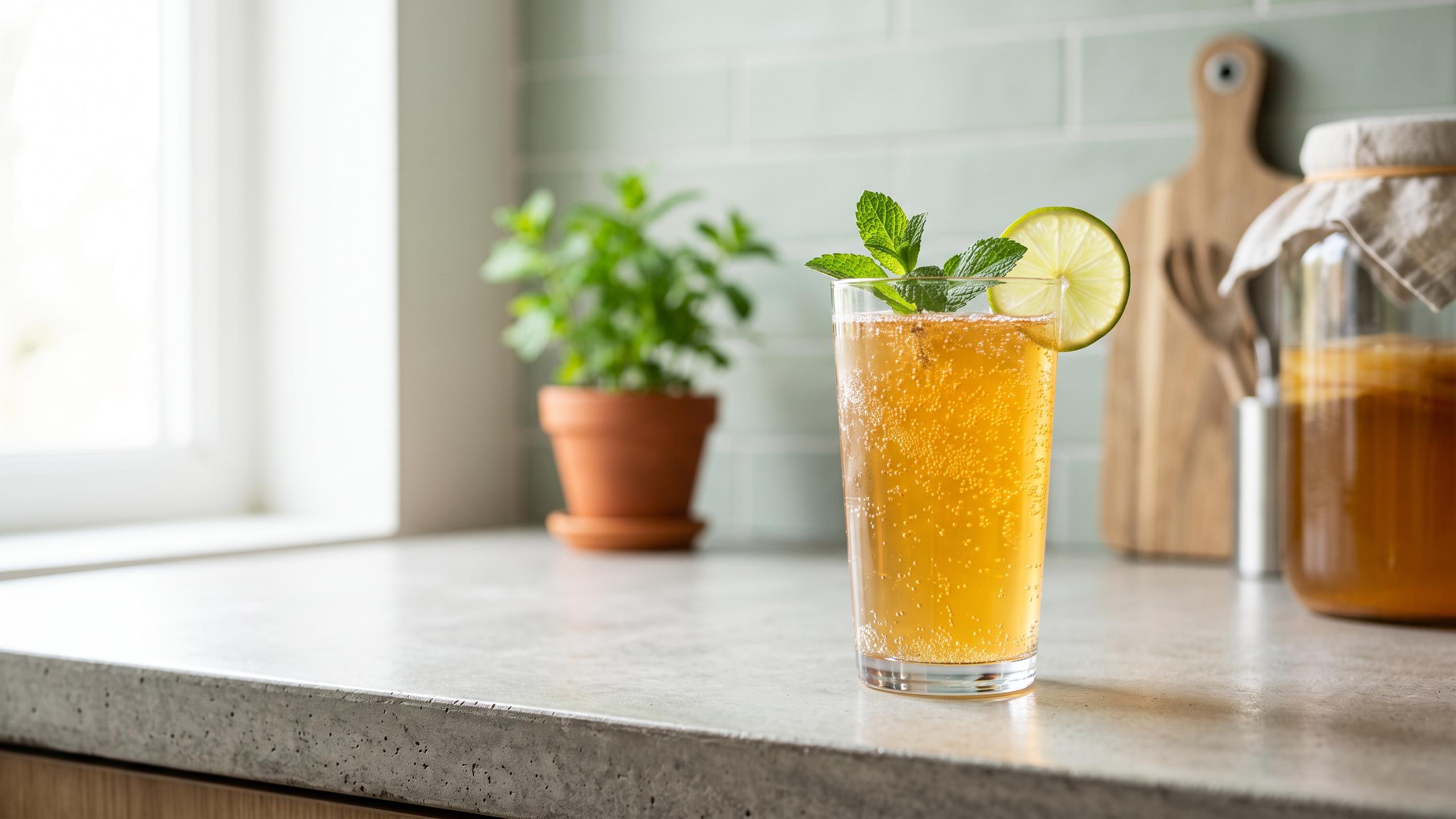







Kombucha has become a wellness staple, but its true power lies in how it's made. The magic behind this fizzy, tangy drink comes from two key players: the SCOBY starter and a green tea base, which work together to create a powerhouse of nutrients.
The Heart of Kombucha: What is a SCOBY?
At the
core of every kombucha brew is the SCOBY, an acronym for 'Symbiotic Culture of Bacteria and Yeast'. This rubbery, pancake-like disc is often called the 'mother' because it's a living ecosystem that kickstarts the fermentation process. The SCOBY is a complex matrix of beneficial bacteria and yeast strains living in harmony. When you add it to sweetened tea, these microorganisms get to work. The yeast consumes the sugar, converting it into trace amounts of alcohol, and the bacteria then convert that alcohol into various organic acids. This fascinating biological process is what transforms simple sweet tea into the complex, tangy beverage known as kombucha. The physical SCOBY you see is mostly a cellulose structure built by the bacteria, but the living culture exists throughout the liquid starter tea as well.
The Green Tea Advantage
While kombucha can be made with black tea, using a green tea base offers a distinct set of nutritional advantages. Green tea is famously rich in powerful antioxidants called polyphenols, particularly a type known as catechins. These compounds are renowned for their ability to fight oxidative stress in the body. When you brew kombucha with green tea, many of these benefits are carried over into the final product. Studies have shown that green tea kombucha has a significant capacity to neutralize damaging free radicals. Furthermore, green tea generally contains less caffeine than black tea, resulting in a kombucha with a milder stimulating effect. Its flavor profile is also lighter and less astringent, creating a smoother, more delicate brew that many people prefer.
The Magic of Fermentation
Fermentation is where the transformation truly happens. The SCOBY doesn't just eat sugar; it creates a cascade of new, health-promoting compounds. The process produces a variety of organic acids, most notably acetic acid, which is also found in vinegar and is responsible for kombucha's signature tangy taste. Acetic acid has antimicrobial properties, helping to kill potentially harmful pathogens while leaving the beneficial bacteria unharmed. Other beneficial acids produced include gluconic, glucuronic, and lactic acid. These acids are believed to support the body's natural detoxification processes, particularly in the liver, and contribute to overall gut health. The fermentation also produces B vitamins and enzymes that can aid in digestion and metabolism.
A Boost for Your Gut
Perhaps the most celebrated benefit of kombucha is its probiotic content. The fermentation process cultivates a diverse community of beneficial bacteria and yeasts. These live microorganisms, when consumed, can help support a healthy balance of gut flora. A well-balanced gut microbiome is crucial for proper digestion, immune function, and even mental well-being. The primary probiotic bacteria found in kombucha often include strains of Lactobacillus, which produce lactic acid, and various Acetobacter species that create acetic acid. While the exact microbial makeup can vary from batch to batch, regularly consuming raw, unpasteurized kombucha can contribute to the diversity and health of your gut ecosystem.
Brewing Safely at Home
While the health benefits are compelling, brewing kombucha at home requires care and attention to safety. The acidic environment created during proper fermentation naturally protects the brew from most harmful contaminants. A key step is to use a strong starter liquid from a previous batch, which quickly lowers the pH to a safe level below 4.2. However, if not handled hygienically, homebrews can be susceptible to contamination from unwanted mold or bacteria. Always use sterilized glass jars and clean utensils. Avoid using ceramic containers, as the acidity of the brew can leach lead from the glaze. If your SCOBY develops green, black, or fuzzy spots, or if the brew smells cheesy or unpleasant, it is contaminated and must be discarded. When done correctly, home brewing is a safe and rewarding practice.