



Maximalism vs. Noise
First, let's clear up a common misconception: maximalism is not the same as clutter. Clutter, or 'noise,' is the result of accumulation without intention—piles of mail, forgotten items, and decor that doesn't serve a purpose. It creates a sense of stress
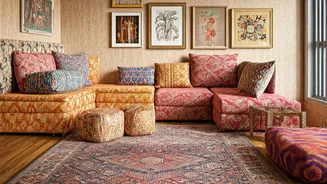
and chaos. Controlled maximalism, on the other hand, is a deliberate and curated design choice. It’s about surrounding yourself with an abundance of things you love—colours, patterns, and objects—in a way that feels intentional and tells a story. Every item has a purpose and a place, contributing to a rich, layered environment that reflects your personality.
Start with a Cohesive Strategy
The “controlled” part of controlled maximalism begins with a plan. Before you start filling your space, establish a unifying theme. This could be a specific colour palette, a recurring motif, or a particular mood, like 'Parisian flea market' or '70s tropical glam.' A strong colour story is especially effective in small spaces. Choose a core group of hues and repeat them throughout the flat to create a sense of harmony. This foundation allows you to layer diverse patterns and objects without the room feeling disjointed, as the consistent colours tie everything together.
Curate, Don't Just Collect
Maximalism is about showcasing your personality, which means every object should earn its place. Instead of accumulating random trinkets, focus on curating collections that are meaningful to you. Think of your shelves and surfaces as story-telling opportunities. Group similar items together to create a strong visual impact—a collection of ceramic vases on a mantelpiece, for instance, looks intentional, whereas scattering them around the room can feel messy. The key is to arrange the things you love in a thoughtful way, turning busy surfaces into beautiful vignettes. Remember that even in a maximalist home, you don't have to display everything at once. Editing is a crucial habit.
Play with Scale and Height
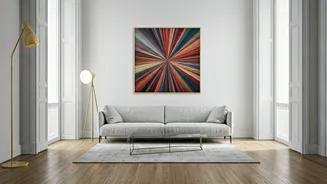
Conventional wisdom for small spaces often suggests using small furniture, but this can make a room feel fussy and cluttered. Maximalism encourages a braver approach. Don't be afraid to use large-scale items, like a bold piece of art, a statement rug, or an oversized mirror. These pieces can actually make a room feel larger by creating a clear focal point and drawing the eye. Mirrors are particularly effective, as they reflect light and pattern, adding depth and a sense of spaciousness. Also, utilize vertical space with floor-to-ceiling bookshelves or a gallery wall that extends upwards. This draws the eye vertically, enhancing the feeling of height and space in the room.
Layer Textures for Richness
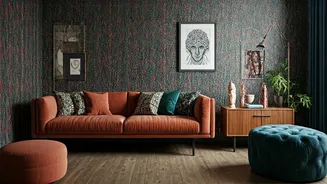
A successful maximalist interior is rich in texture, which adds depth and a luxurious feel without necessarily adding more 'stuff'. Layering different materials is key to preventing the design from feeling flat. Combine soft and hard surfaces, and shiny and matte finishes. Think of a plush velvet sofa, a chunky knit throw, smooth wooden furniture, and metallic accents all coexisting in the same space. This textural variety creates a sensory experience, making the room feel cosy, inviting, and visually interesting even within a tight colour palette.