




Finding a workout that’s effective, engaging, and fits into a small living space can be a challenge. Enter ballet cardio, an elegant fitness solution that tones your entire body, boosts heart health, and requires absolutely no gym machines.
What is Ballet Cardio?
Ballet cardio,
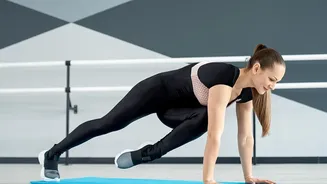
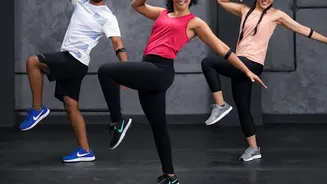
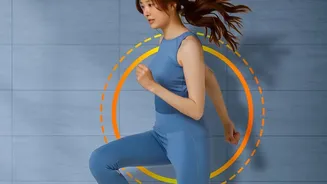
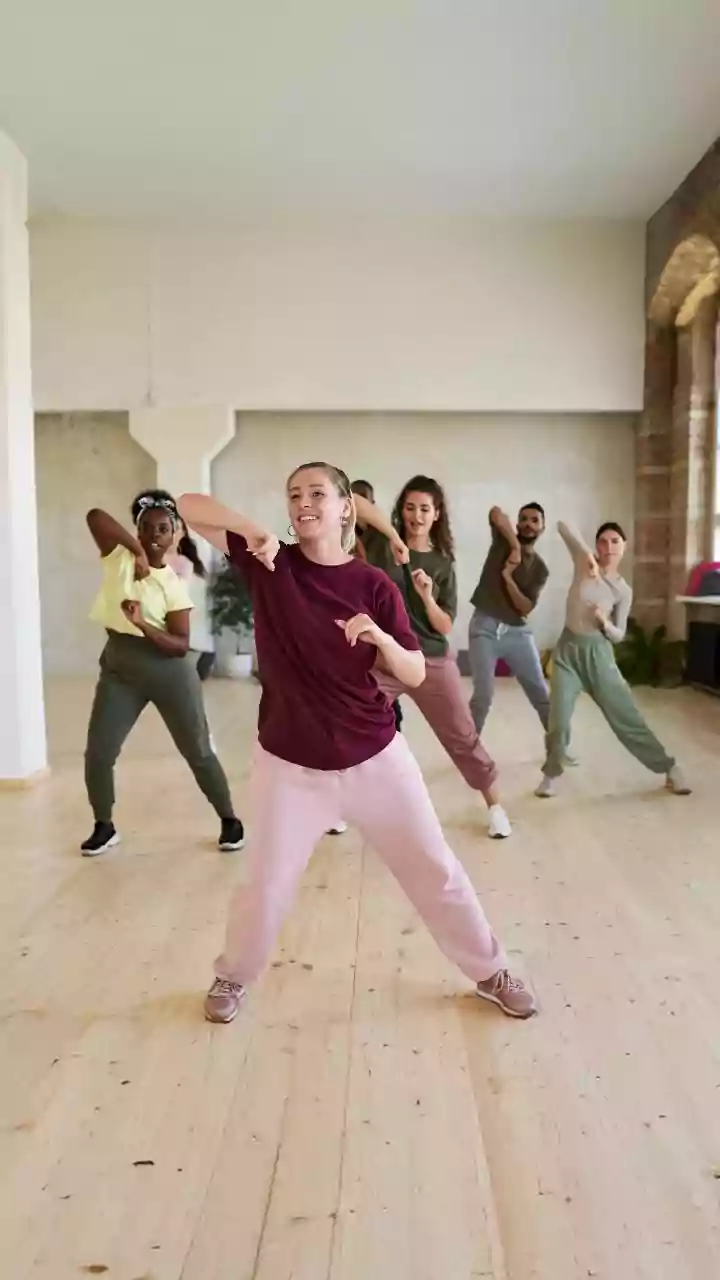
or ballet-inspired fitness, blends the foundational techniques of classical ballet with the principles of cardiovascular exercise. The result is a dynamic, full-body workout that builds strength, endurance, and grace simultaneously. Unlike traditional gym routines that can feel repetitive, ballet cardio engages both your muscles and your mind as you follow fluid movement patterns. The focus is less on perfect technique and more on continuous, controlled motion set to music, which elevates your heart rate and strengthens your heart and lungs. This form of exercise is known for creating long, lean muscles while dramatically improving posture, core stability, balance, and flexibility.
The No-Studio, No-Problem Advantage
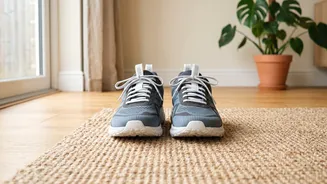
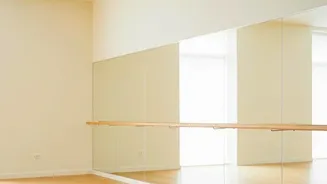
One of the greatest appeals of ballet cardio is its accessibility. You don’t need a sprawling studio or expensive equipment to get started. All you truly need is a small patch of floor space and your own body weight for resistance. Many routines incorporate the use of a 'barre' for balance, but this doesn't have to be a professional installation. A sturdy chair, a kitchen countertop, or even a wall can serve as a perfect substitute for support during exercises. This makes it an ideal workout for apartments, small homes, or even for staying active while travelling. The focus is on consistency and mindful movement, proving that an effective and elegant workout is possible anywhere.
Foundational Movements for Your Home Practice
Getting started is as simple as learning a few key movements. Use a chair for light support and focus on control over speed. Remember to warm up with gentle movements like marching in place and shoulder rolls. 1. Pliés (Knee Bends): Stand with your heels together and toes turned out (first position) or with feet shoulder-width apart (second position). Holding your support lightly, bend your knees while keeping your back straight and heels on the floor. Go as low as is comfortable, then slowly straighten back up. Pliés are excellent for warming up and strengthening your thighs and glutes. 2. Tendus (Foot Stretches): From your starting position, slide one foot forward along the floor until the toes are pointed, without lifting the ball of the foot. Then, slide it back in. Repeat this movement to the side and to the back. Tendus are fantastic for building strength in your feet and ankles. 3. Relevés (Rises): Holding your support, rise onto the balls of your feet, keeping your core engaged and your body lifted. Hold for a moment before lowering back down with control. This simple move is a powerful way to strengthen your calves and improve balance.
Putting It All Together
To create a cardio effect, link these movements into a flowing sequence. You might perform eight pliés, followed by eight tendus with each leg, and then sixteen relevés. Try putting on your favourite music and moving with the beat to make it feel less like a workout and more like a dance. You can also find countless free, beginner-friendly ballet cardio routines online that require no equipment and are designed for small spaces. The key is to keep moving continuously for 15 to 20 minutes to keep your heart rate elevated. Over time, as your coordination and strength improve, you can increase the duration and complexity of your workout.