



The Rise of the Solo Diner
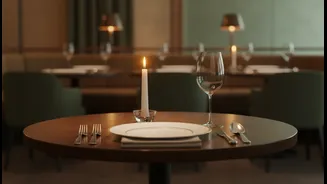
Not long ago, asking for a “table for one” in India might have earned you a sympathetic glance. Today, it’s a statement of independence. A cultural shift, driven by urbanisation, remote work, and changing social norms, is making solo dining an aspirational
choice rather than a fallback plan. Young professionals, students, and even retirees are increasingly choosing to enjoy a meal in their own company. This growing demographic of solo diners is a significant force, pushing restaurants to rethink their entire approach. They are no longer an afterthought but a primary audience that needs to be catered to with intention.
Designing for Intimacy and Efficiency
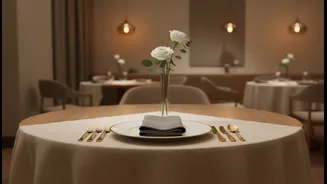
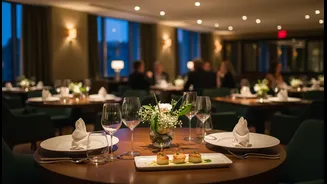
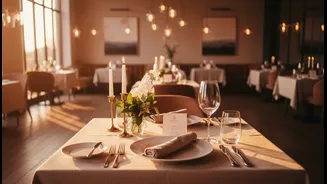
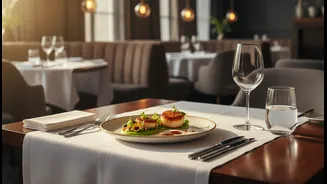
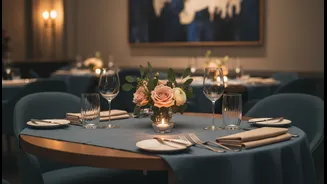
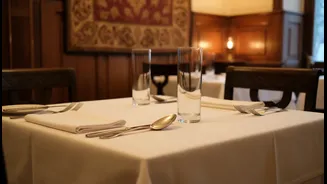
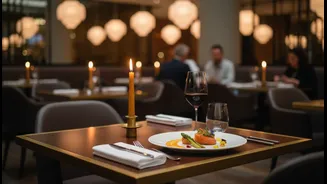
This trend is physically reshaping restaurants. Owners and designers are prioritizing flexible layouts that can accommodate smaller parties. You'll see more two-person tables, bar-style counters with views of the open kitchen, and communal tables that offer a sense of shared space without forced interaction. From a business perspective, this makes perfect sense. Smaller tables can lead to more efficient use of floor space, allowing for a higher number of guests to be seated over a service period. Booths and banquettes, which offer a sense of privacy and comfort, are also excellent for maximising seating in narrow spaces. For restaurateurs, especially those in high-rent urban areas, every square foot counts, and a layout geared towards smaller groups is often more profitable.
Menus Made for Sampling
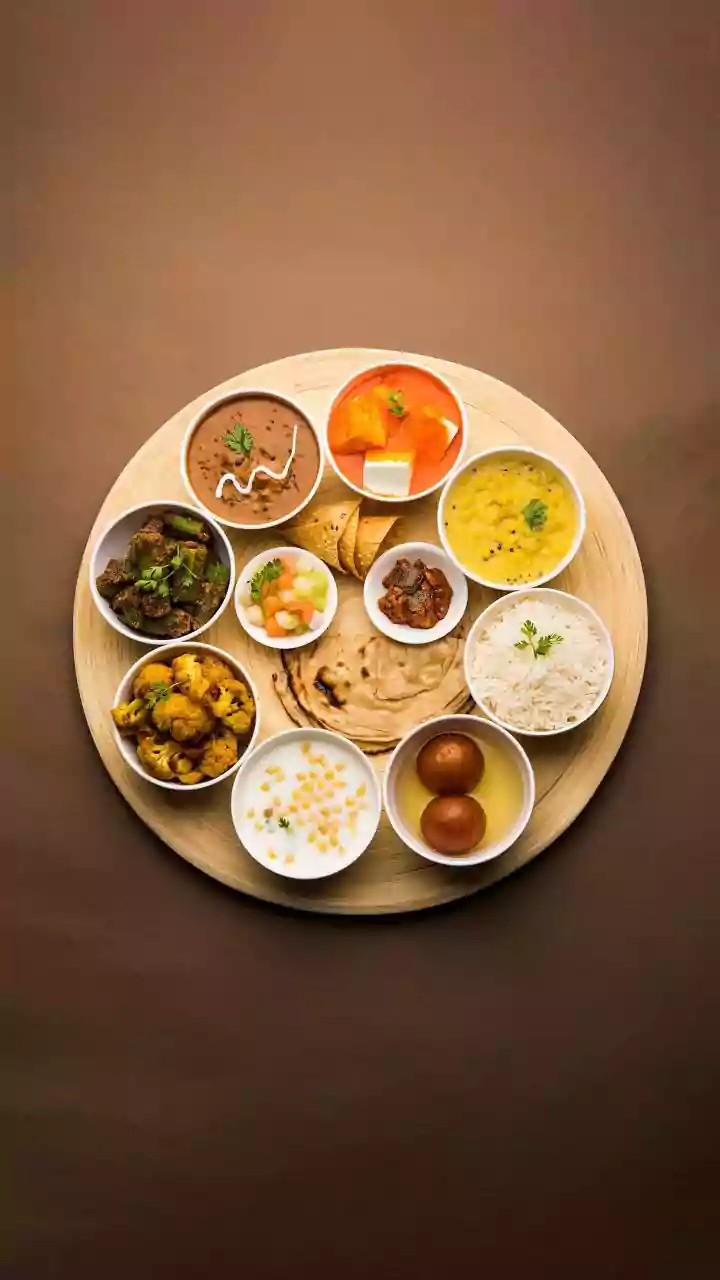
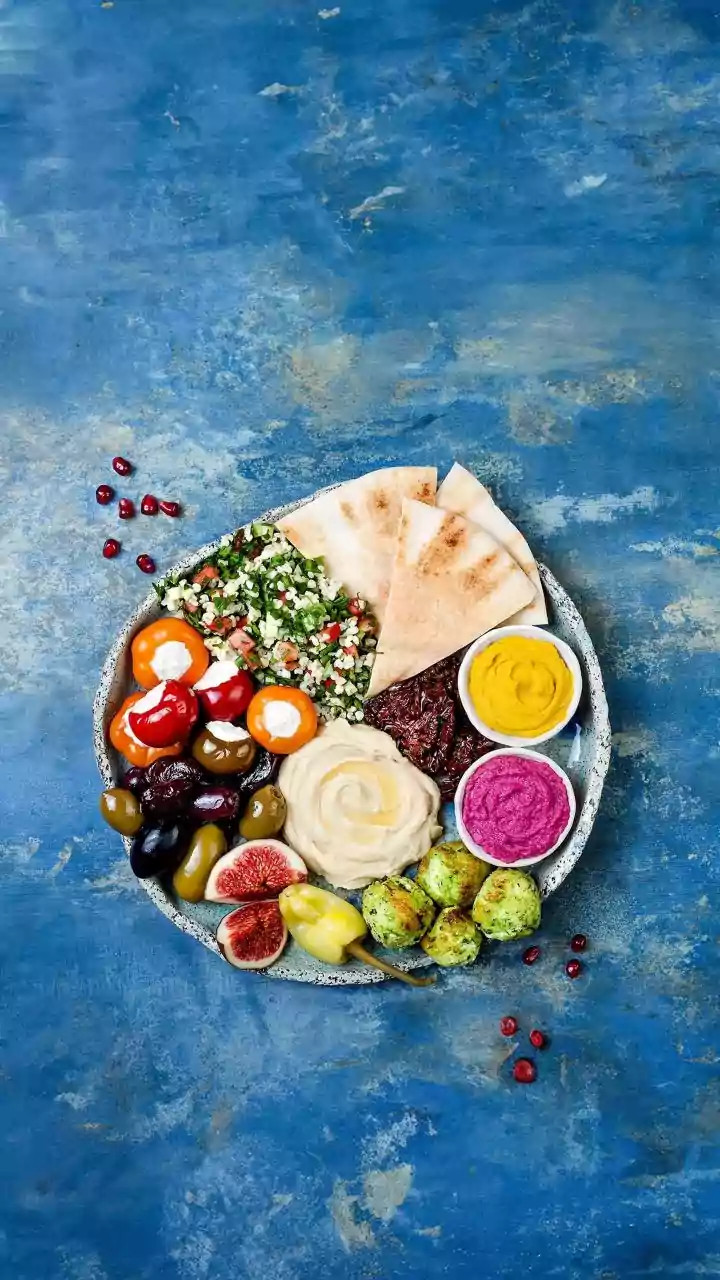
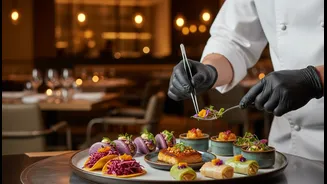
The shift isn't just happening on the floor plan; it's transforming menus as well. The global trend of small plates, or tapas-style dining, has firmly taken root in India. This style of eating, which encourages sharing and variety, aligns perfectly with the Indian dining ethos. For diners, it’s a chance to explore a wider range of a chef’s creations without committing to a single large dish. For chefs, it’s an opportunity for creativity and experimentation. These smaller portions are ideal for solo diners and couples, allowing them to create a full meal experience by ordering several different items. Some restaurants have seen such success with this format that they have considered removing large plates from the menu entirely.
The Economics of Small
Beyond space efficiency, there are other strong economic drivers. Small plates can help control food costs, as portion sizes are standardized and waste is minimized. A smaller, more focused menu, often a feature of restaurants catering to this trend, requires fewer kitchen staff and less inventory, reducing overheads. Furthermore, solo diners and small groups can be a reliable source of revenue, especially during traditionally slower, off-peak hours. While a large group booking might seem more lucrative, a steady stream of smaller tables provides a more consistent cash flow. Restaurants are realizing that catering to the 'me-time' diner or the couple on a date night is a sustainable business model.
A Reflection of Modern India
Ultimately, the move towards smaller tables reflects broader changes in Indian society. Increasing urbanisation means more people are living in smaller family units or on their own. Rising disposable incomes among young professionals and a desire for new experiences are fuelling the demand for more diverse and flexible dining options. The post-pandemic world has also placed a new value on more controlled, intimate social gatherings. The restaurant of today and tomorrow is one that understands this new reality: it's a place that feels welcoming whether you're dining with a large group, a close friend, or simply enjoying your own company.