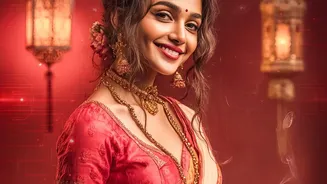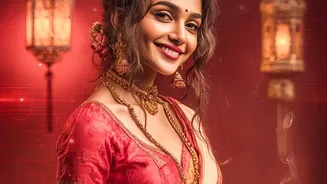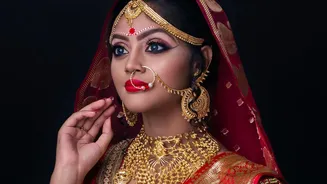



The matha patti has long been the crowning glory of bridal and festive ensembles, a symbol of tradition and grandeur. But look closely, and you'll see its regal influence extending far beyond weddings, shaping the casual headbands we wear today.
The Enduring Majesty of the Matha Patti
For generations,
the matha patti has been more than just an accessory; it's a piece of heritage. Traditionally reserved for brides and royalty, this elaborate headpiece, which frames the forehead with intricate chains and a central pendant, is a cornerstone of 'sola shringaar' (a bride's sixteen adornments). Crafted from gold and often embedded with Kundan, Polki, or pearls, its purpose is to add a regal dimension to a bride's appearance, beautifully framing the face and complementing elaborate hairstyles. Its grandeur signifies prosperity, beauty, and cultural identity, making it an indispensable part of Indian weddings and high-level festivities.
From Sacred Ritual to Red Carpet Staple
The journey of the matha patti from a purely traditional ornament to a high-fashion statement began when it was embraced by Bollywood celebrities. Actresses like Deepika Padukone, Katrina Kaif, and Anushka Sharma have famously worn matha pattis for their own weddings, solidifying their status as a coveted bridal accessory. However, its appeal soon crossed over to red carpets and fashion editorials. Designers began reimagining the classic piece, creating lighter, more contemporary versions. This celebrity endorsement played a crucial role in transitioning the matha patti from a sacred bridal item to a versatile fashion statement, admired for its aesthetic appeal beyond its cultural context.
The Evolution into Everyday Headbands
The most exciting chapter in the matha patti’s story is its influence on casual wear. As fashion embraces the fusion of traditional and contemporary styles, the core elements of the matha patti are being distilled into minimalist, everyday headbands. Think of delicate, single-chain headbands with a small central charm, or sleek metallic bands that echo the matha patti's forehead-framing structure. Designers are creating lightweight, sleeker versions that offer a regal touch without being overpowering, making them suitable for parties, festive gatherings, and even Indo-Western office wear. These modern interpretations capture the essence of the original but are designed for versatility and comfort, pairing just as well with a jumpsuit as with a saree.
Why This Fusion Trend Is Happening Now
Several factors are driving this trend. Firstly, there's a growing desire among modern Indian women to connect with their heritage in a way that fits their contemporary lifestyles. Wearing a headband inspired by a matha patti is a nod to tradition without committing to a full ethnic look. Secondly, the global fashion landscape is increasingly celebrating individuality and personal storytelling through accessories. The rise of Indo-Western and fusion wear has created a space where traditional motifs can be playfully integrated into modern outfits. Social media also plays a significant role, with influencers showcasing innovative ways to style traditional jewellery, inspiring their followers to experiment. The trend is less about diluting tradition and more about reinventing it for a new generation.
How to Style the Modern Headband
Embracing this trend is all about balance. For a subtle look, pair a delicate, single-chain headband with loose waves and a simple dress or a kurta. This works perfectly for a daytime event or a casual get-together. If you’re attending a party or a festive function, you can opt for a slightly more ornate headband, perhaps one with pearl or crystal details, and pair it with an Anarkali, a contemporary saree, or even a tailored gown. The key is to let the headpiece be the focus. If your headband is elaborate, keep other jewellery, like earrings and necklaces, minimal to avoid an overly busy look. A centre-parted hairstyle often works best to create the symmetry that makes the original matha patti so striking.