








Master the Sensory Check
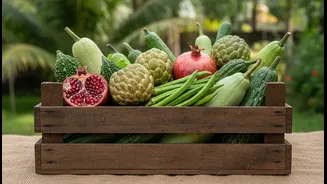
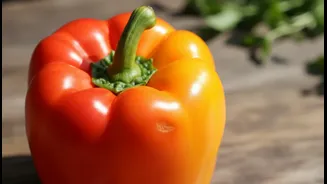
Before you even touch a vegetable, give it a good look. Fresh produce should have vibrant, consistent colour. Avoid items with dull tones, yellowing leaves on green vegetables, or significant brown spots, which can indicate decay. Next, gently handle
the produce. It should feel firm and heavy for its size, which signals high water content and freshness. Soft, mushy spots are a clear warning sign of spoilage. Finally, trust your nose. Ripe, healthy produce will have a fresh, earthy, or sweet aroma characteristic of the item itself. Any sour, fermented, or mouldy smell means the item is past its prime and should be avoided.
Choosing Leafy Greens and Herbs
For leafy greens like spinach (palak), fenugreek (methi), and coriander (dhania), freshness is fleeting. Look for crisp, upright leaves with bright, uniform colour. Avoid any bunches that appear wilted, limp, or have yellow or brown edges. A slimy texture is a definitive sign of rot and should be avoided at all costs. When picking herbs like coriander or mint, check the stems; they should be firm. A fresh, clean scent is crucial. If the greens smell musty or sour, they have already started to decompose. Don't be fooled by a few insect holes, which can be acceptable, but widespread discoloration is a red flag.
Selecting Root Vegetables
Root vegetables like onions, potatoes, and ginger are staples, but they can easily hide spoilage. When choosing onions, they should be firm, with dry, papery outer skin and no soft spots or pungent odours before being cut. For potatoes, look for firm, smooth skin. Avoid any with soft patches, green discolouration (which can taste bitter), or those that have started sprouting. Darker potatoes with thicker skin are often older and less starchy. When selecting ginger, the skin should be thin and taut. If you can break a piece off and see fibrous threads, it's a good sign of freshness.
Picking Common Vegetables and Gourds
For everyday vegetables like tomatoes, cucumbers, and brinjals (eggplant), firmness and skin texture are key. A good tomato should be firm but give slightly to gentle pressure, feel heavy for its size, and have a rich, bright colour. Wrinkled or overly squishy tomatoes are past their best. Cucumbers should be firm over their entire length and have a dark green colour; avoid those that are yellowish or have soft spots. Smaller cucumbers often have fewer seeds and are crisper. When buying brinjal, look for smooth, shiny skin and a feeling of heft. A gentle press should leave no indentation. The stem and cap should look green and fresh, not dry or brown.
The Art of Choosing Fruits
Fruits can be tricky, as ripeness varies. For mangoes, don't rely solely on colour, as it differs by variety. Instead, give it a gentle squeeze; a ripe mango will give slightly. It should also have a sweet, fruity aroma near the stem. For watermelons, look for one that feels heavy for its size and has a distinct creamy or yellowish field spot where it rested on the ground. A tap on the watermelon should produce a deep, hollow sound, indicating it's juicy and ripe. When choosing lemons, pick those that are evenly yellow, feel heavy, and have a fragrant smell. A slight give when pressed is a good sign, whereas a very hard lemon is likely underripe.