


The Colourful & Mild: Kashmiri Chilli
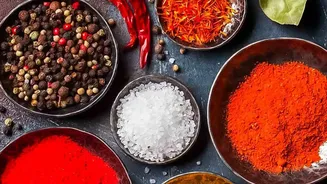
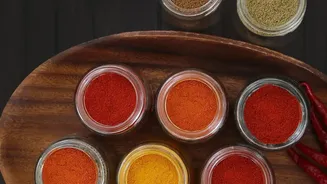
Often mistaken for being intensely hot due to its brilliant red colour, the Kashmiri chilli is prized more for its hue than its heat. It is one of the mildest chillies available, with a Scoville Heat Unit (SHU) range of just 1,000 to 2,000. Its primary
role in the kitchen is to impart a beautiful, vibrant red colour to dishes without making them overwhelmingly spicy. The flavour profile is subtly fruity and slightly smoky. In vegetarian cooking, powdered Kashmiri chilli is a star player in classic dishes like Dum Aloo and is used to create rich, appealing gravies for paneer and vegetable curries. Soaking the powder in warm water can create a natural food colouring for various preparations.
The Smoky & Wrinkled: Byadgi Chilli
Hailing from Karnataka, the Byadgi chilli is famous for its dark, deep red colour and wrinkled skin. It offers a fantastic balance of moderate heat and a distinctively smoky, earthy, and somewhat sweet flavour. With a heat level that is gentle but present (around 8,000-15,000 SHU), it’s spicier than Kashmiri chilli but still focuses on aroma and taste. Byadgi is a cornerstone of South Indian cuisine, essential for making authentic sambar and rasam powders. It's an excellent choice for when you want a noticeable but not aggressive warmth and a deep, complex fragrance in your lentil dishes, vegetable curries, and chutneys.
The Sharp & Pungent: Guntur Chilli
When you need serious heat, you reach for Guntur chilli. Grown in Andhra Pradesh, a region known for its fiery cuisine, this pepper is all about pungent, sharp heat. Its heat level can range significantly, typically from 30,000 SHU upwards, making it a key ingredient in many spicy Andhra dishes. While it provides a robust, fiery kick, it also has an underlying earthy flavour. In a vegetarian pantry, Guntur chillies are used judiciously to spice up pickles, create fiery chutneys, and give a powerful punch to dals and curries. Many commercial red chilli powders are either pure Guntur or a blend featuring it to balance colour and heat.
The Everyday Green: Jwala Chilli
The Jwala, often simply called the common Indian green chilli, is arguably the most widely used fresh pepper in the country. Its name, meaning 'flame' in Sanskrit, gives a good indication of its purpose. It provides a sharp, fresh, and immediate heat rather than a slow burn. With a heat level of 20,000-30,000 SHU, it sits comfortably in the medium-hot category. Its flavour is pungent and direct, sometimes with a subtle fruity, apple-like note. It's the workhorse of the vegetarian kitchen, used in tadkas (tempering), chopped into sabzis, ground into pastes for curries, or eaten raw as an accompaniment to a meal for that instant, vibrant kick.
The Mild & Stuffable: Bhavnagri Chilli
The Bhavnagri chilli is a larger, light green pepper known for its very mild heat and thick flesh, making it perfect for stuffing. Originating from Bhavnagar in Gujarat, it has a delicate, peppery flavour without the intense spice of its smaller cousins. This makes it ideal for dishes where the pepper itself is the star, such as 'Bharwa Mirch' (stuffed chillies) or 'Mirchi ke Pakode' (chilli fritters). The filling, often a mix of spiced potatoes, paneer, or gram flour, is complemented by the gentle flavour of the chilli. It's the go-to choice for anyone who enjoys the flavour of peppers but prefers to avoid strong heat.
The Sweet & Crunchy: Bell Pepper (Capsicum)
Finally, the bell pepper, or Shimla Mirch as it's known in India, holds a unique place in the pantry as it contains no heat (0 SHU). Available in green, yellow, and red, its contribution is all about sweetness, flavour, and texture. Bell peppers add a crisp, juicy crunch to vegetarian dishes. They are incredibly versatile, used in stir-fries, classic sabzis like Aloo Shimla Mirch, and as a foundational flavour in Kadai Paneer. Their mild, sweet taste provides a wonderful contrast to spicier ingredients and adds bulk and nutritional value to a meal, proving that a pepper's worth isn't always measured in heat.