

Why Parks Reopen in October
Most of India's premier national parks and tiger reserves, including famous names like Ranthambore, Kanha, and Jim Corbett, remain closed to the public during the monsoon season, typically from July to September. This essential break allows the forest
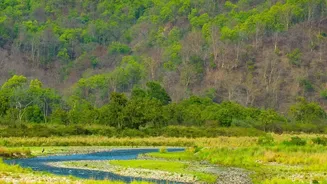
ecosystem to rejuvenate, lets animals breed without disturbance, and gives authorities time to repair tracks and infrastructure damaged by heavy rains. Come October, the landscape is lush, waterholes are full, and the air is crisp, making it an ideal time for wildlife sightings. Reopening dates can vary slightly by park and even by specific zones within a park, so it is always wise to check the latest official announcements.
Choosing Your First Safari Destination
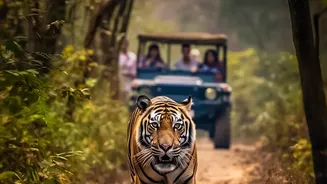
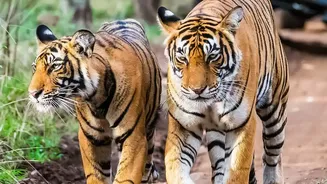
The sheer number of parks can be overwhelming for a beginner. A great first choice combines good accessibility with a high chance of spotting iconic wildlife. Ranthambore National Park in Rajasthan is famous for its tiger population set against a backdrop of ancient forts and ruins. Jim Corbett in Uttarakhand, India's oldest national park, offers a classic jungle experience with tigers and large elephant herds. For those focused on tigers, Bandhavgarh and Kanha in Madhya Pradesh boast high tiger densities. If seeing the great one-horned rhinoceros is your goal, Kaziranga National Park in Assam is the undisputed best choice.
Booking Your Safari: A Crucial Step
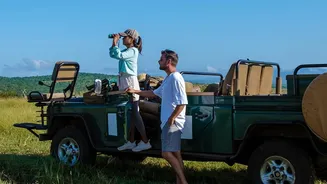
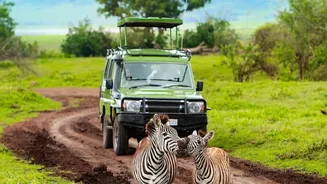
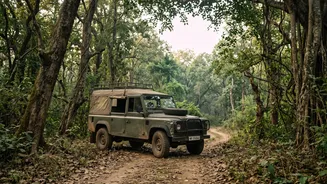
Spontaneity has little place when planning a safari. Permits for most popular parks are limited and must be booked well in advance, often 45 to 90 days prior, through official state government portals. Decide on your park and then secure your safari permit before booking flights or hotels. You will need to choose a specific zone or gate and provide valid ID details for every visitor, which you must also carry on the day of the safari. You can book either a smaller, more private (and expensive) jeep, which typically seats up to six visitors, or a seat in a larger, shared canter. For a first-timer, a private jeep offers more flexibility and better interaction with your guide.
Dressing for the Jungle
What you wear is about both comfort and camouflage. Opt for neutral, earthy colours like khaki, olive, beige, and brown that blend into the surroundings. Avoid bright colours like white, red, or yellow, which can startle animals, and black or blue, which may attract insects. The key is layering. Early morning drives, especially between November and February, can be surprisingly cold in an open vehicle. A warm jacket, scarf, and beanie are essential. As the sun climbs, you can peel off layers to stay comfortable. Closed-toe shoes are a must, as you may occasionally step out of the vehicle at designated spots.
Essential Safari Etiquette
Remember, you are a guest in the animals' home. The most important rule is to maintain silence. Whisper if you must speak. Loud noises can ruin a sighting for everyone and stress the wildlife. Never pressure your driver or guide to get too close to an animal; respect their space. Do not wear strong perfumes or colognes. Using a camera flash is strictly prohibited. Patience is paramount; safaris are not a zoo, and sightings are never guaranteed. Instead of focusing only on the tiger, appreciate the entire ecosystem—the alarm calls of deer, the tracks on the ground, and the diverse birdlife.
What to Pack in Your Day Bag
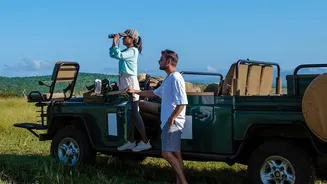
Aside from your ID and permits, a few items will greatly enhance your experience. Binoculars are arguably the most important piece of gear, allowing you to get a close-up view of distant animals and birds. A camera with a good zoom lens is great, but don't forget to put it down and simply watch with your own eyes. Also carry sunscreen, sunglasses, a hat, and a reusable water bottle. A scarf or buff is useful to protect against dust on dry trails. Finally, pack any personal medication and a small power bank for your phone.