



An Uneven and Deficient Monsoon Season
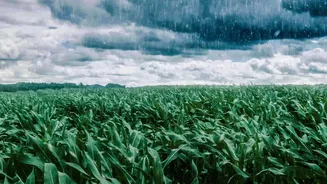
The 2026 southwest monsoon has been a story of sharp contrasts. The season began with a significant rainfall deficit in June, which was largely erased by a strong recovery in July. However, August saw the return of drier conditions, stalling the recovery.
As of late August, the cumulative rainfall deficit for the country stood at around 13-14% below the long-period average. This national average, however, hides deep regional disparities. While some states like Odisha have seen surplus rain, key agricultural states like Bihar, Andhra Pradesh, and Punjab are facing significant shortfalls of over 30%. The India Meteorological Department (IMD) had earlier predicted a below-normal monsoon, and this uneven distribution has set a worrying stage for September, a crucial month for maturing summer crops.
The September Outlook: Subdued Rains Ahead
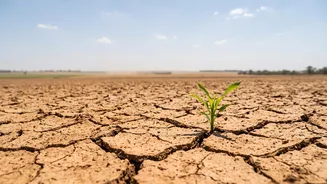
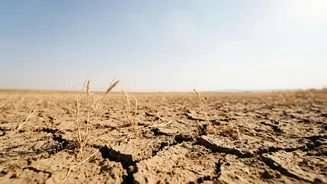
Forecasts for the beginning of September indicate that while a low-pressure system will bring rain to parts of eastern, central, and northern India, the overall trend for the month points towards subdued activity, especially over Peninsular India. The IMD has indicated that a 'subdued rainfall activity' is likely to continue over the peninsula for the first week of September. Some meteorological estimates suggest the September rainfall deficit could be in the double digits, potentially making the 2026 monsoon the weakest in several years. This is critical because September rains are vital for the maturation of kharif crops and for replenishing soil moisture ahead of the rabi (winter) sowing season.
Impact on Kharif Crops and Sowing
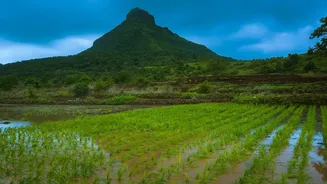
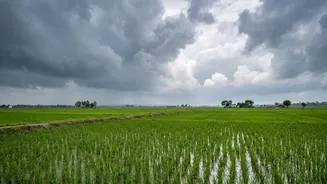
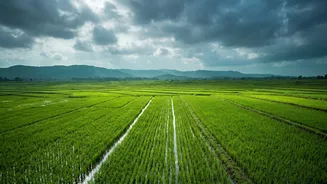
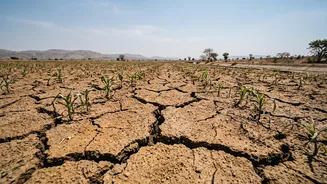
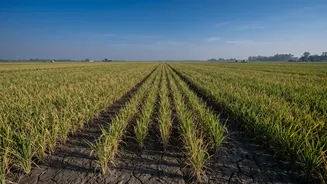
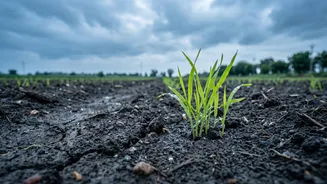
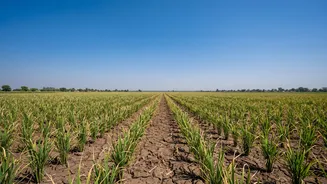
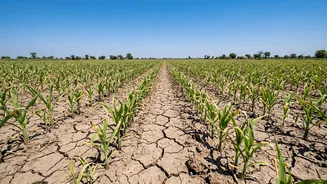
The erratic monsoon has already impacted kharif sowing. As of late August, the total area sown with summer crops was nearly 2% lower than the previous year, with the gap widening for key crops like paddy (rice) and coarse cereals. Sowing of rice, the main kharif crop, was down by more than 3%. While sowing for pulses has been a bright spot, showing a slight increase, the overall sluggishness is a direct result of poor rainfall in major cultivation areas. A dry September could now jeopardise the standing crops, which are in their critical grain-filling and maturation stage. Insufficient moisture at this point can lead to lower yields for rice, pulses, oilseeds, and cotton, directly impacting the agricultural output for the season.
The Financial Strain on Farmers
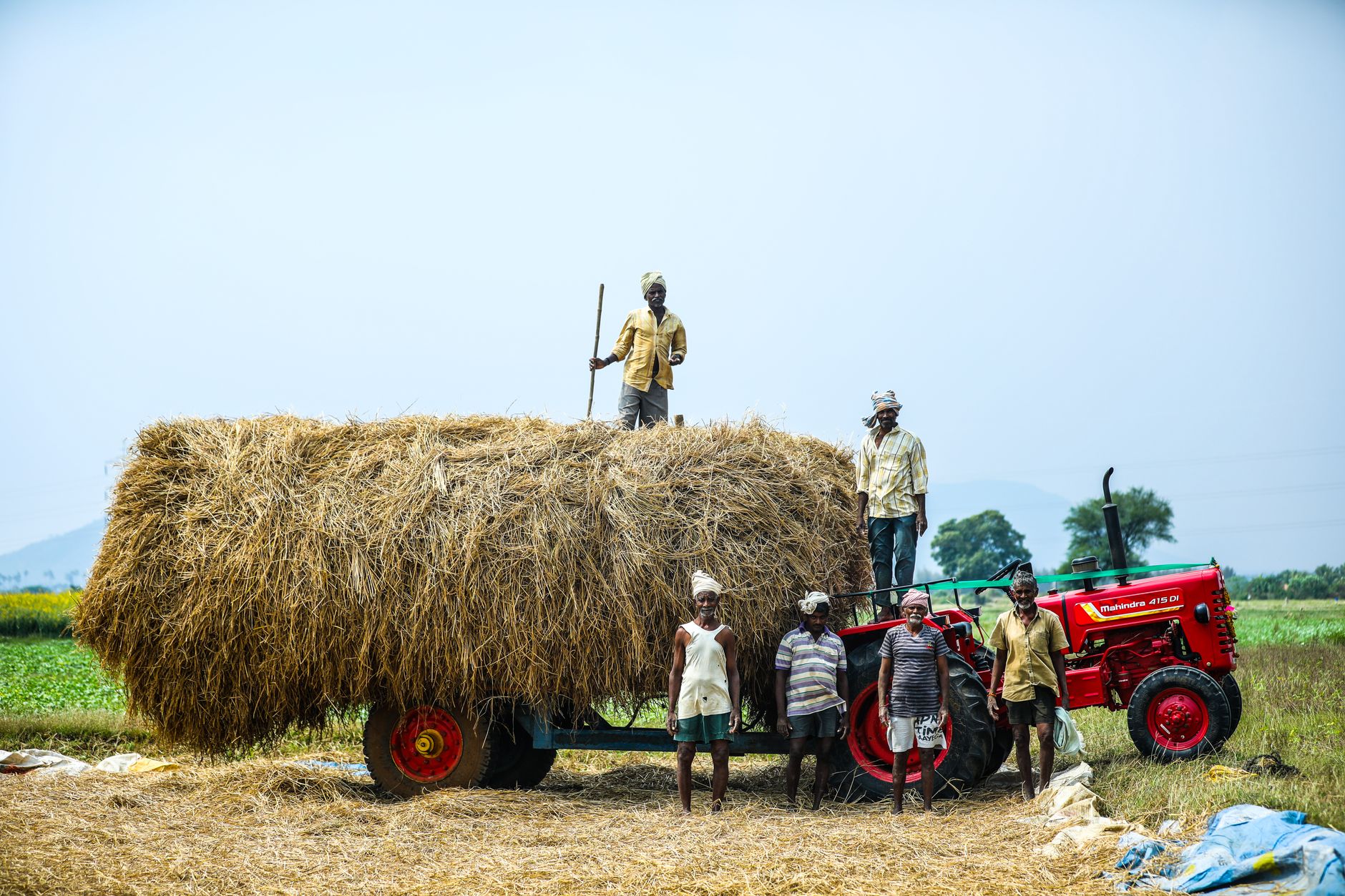
For India's millions of farmers, particularly the majority who depend on rain-fed agriculture, a weak monsoon is a direct economic shock. Lower crop yields mean lower incomes, making it harder to recover input costs and repay loans. This is especially true in regions where irrigation facilities are limited. The patchy rainfall has already created stress, with farmers in some areas witnessing delayed sowing and stunted crop growth. A poor harvest forces farmers into a debt cycle and can lead to widespread rural distress. Furthermore, the health of the monsoon also dictates the water levels in major reservoirs, which are crucial for irrigating the upcoming rabi crops like wheat. Lower reservoir levels could mean a difficult winter cropping season as well, compounding the financial pressure on the farming community.
What This Means for Food Markets and Inflation
The performance of the agricultural sector has a direct and immediate link to food prices. A shortfall in the production of key staples like rice and pulses can lead to supply constraints, pushing up prices in the market. Economists note that the full impact of a poor monsoon on food inflation is often felt with a lag, typically after the harvest when the actual supply situation becomes clear. With kharif sowing already lagging and yields now under threat from a potentially dry September, concerns about food inflation are rising. A weaker harvest could force the government to implement measures like export restrictions to ensure domestic availability, which can have wider implications for global agricultural markets. For the average consumer, this could translate to paying more for essential food items in the coming months.