
The Rise of 'Skinimalism'
The pendulum has swung away from the high-coverage, multi-step routines that dominated the 2010s. In its place is 'skinimalism', a philosophy of using fewer, more effective products. This isn't about laziness; it's a smarter, more intentional approach
to beauty. Young consumers, particularly Gen Z, are prioritising the health of their skin over the temporary perfection offered by makeup. They see skincare not as a corrective measure, but as a form of self-care that celebrates authenticity. The goal is no longer to create a flawless canvas but to nurture the skin you already have, letting its natural texture show through. This is especially true in India, where hot, humid climates make heavy makeup layers uncomfortable and can lead to clogged pores and breakouts.
From Concealing to Caring
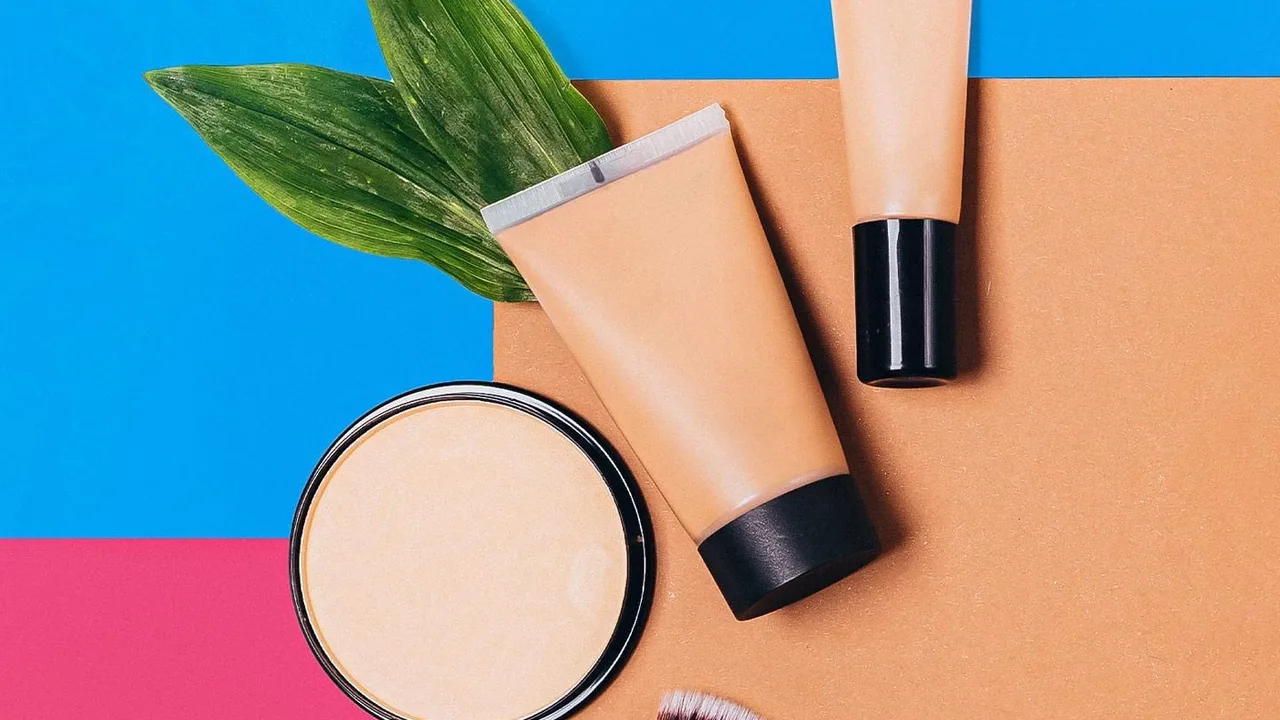
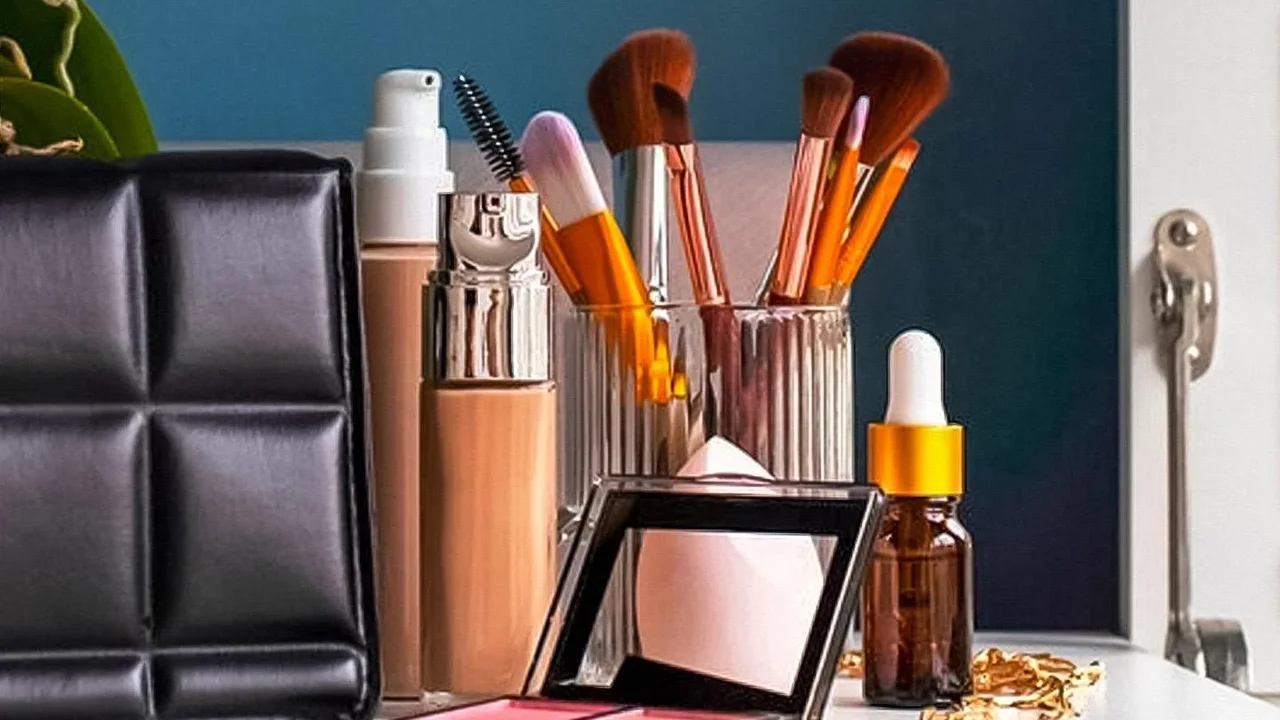
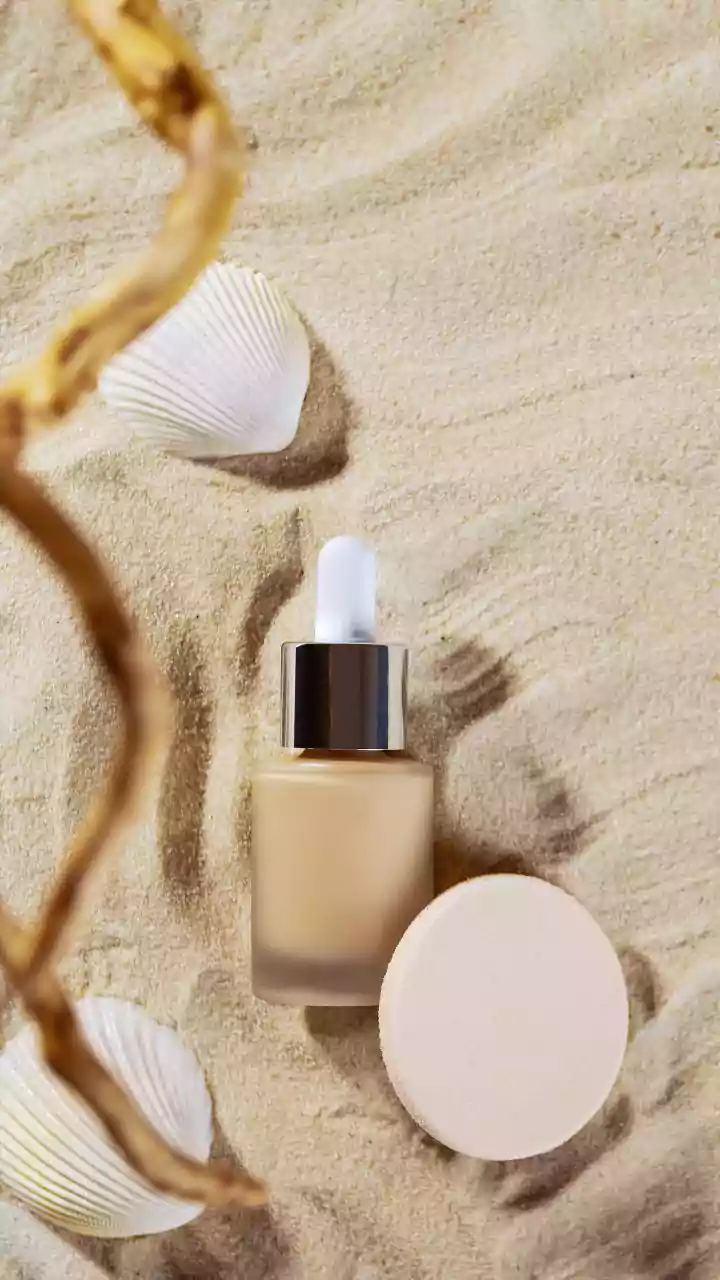
Driving this trend is a generation of 'skin-tellectuals'. Thanks to platforms like TikTok and Instagram, beauty lovers are more educated than ever about ingredients. They know their niacinamide from their hyaluronic acid and demand transparency from brands. This has fuelled a move away from products that simply cover imperfections towards those that actively improve skin health. The result is a booming market for skincare-makeup hybrids—foundations with serum benefits, tinted sunscreens, and lip oils packed with hydrating ingredients. Consumers want their makeup to do more than just beautify; they want it to nurture their skin throughout the day. This shift is so profound that market forecasts predict steady growth for hybrid products, indicating this is a permanent change, not a fleeting trend.
The Authenticity Effect
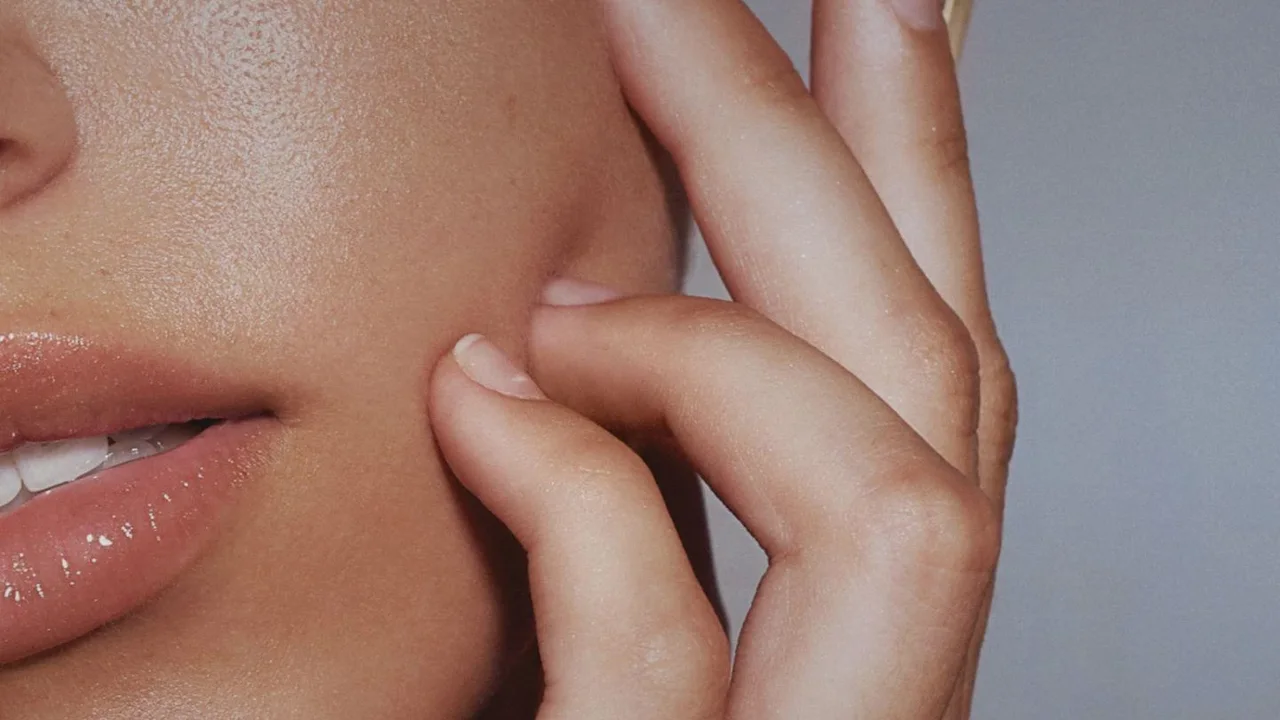
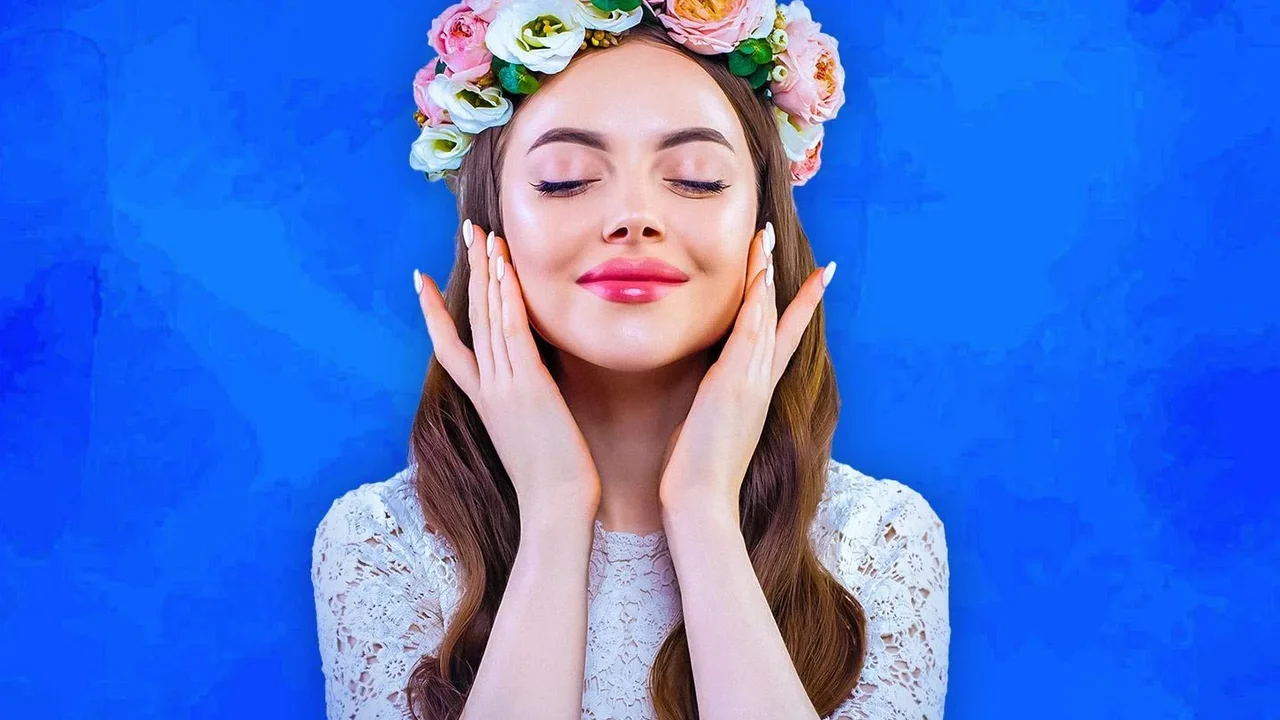
The aesthetic of social media has changed. While the highly-polished 'Instagram Face' once reigned supreme, TikTok’s algorithm favours raw, relatable content. This has had a direct impact on beauty standards, popularising the 'clean girl' aesthetic, which is defined by dewy skin, a subtle flush, and an overall minimalist feel. Young people are embracing their real skin, including freckles and minor blemishes, rather than hiding them. Celebrities and influencers have amplified this message. Stars like Alicia Keys launched soulcare-focused lines after years of going makeup-free, while Pamela Anderson became the face of a brand that champions authenticity. This cultural shift redefines aspiration—it’s no longer about looking perfect, but about feeling confident in your own, real skin.
How the Industry is Responding
The beauty industry has taken note. Sales for traditional, full-coverage foundations have been challenged as consumers simplify their routines. In response, brands are reformulating old classics and launching new products that align with the skin-first mindset. The focus is now on lightweight formulas, breathable textures, and active ingredients that support the skin barrier. Sunscreen, in particular, has become a non-negotiable hero product, now available in sophisticated, multi-tasking formulas that hydrate and protect without leaving a white cast—a key innovation for the Indian market. Brands that succeed in this new landscape are the ones that prioritise health, transparency, and products that enhance rather than conceal.