





The Search for True Darkness
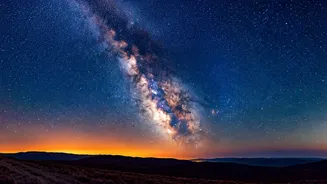
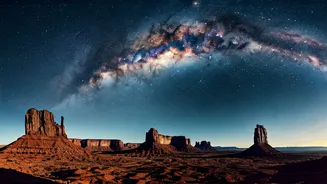
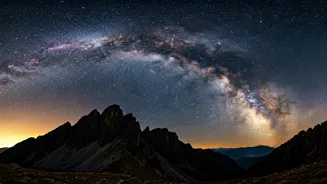
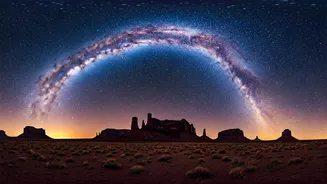
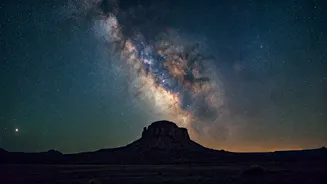
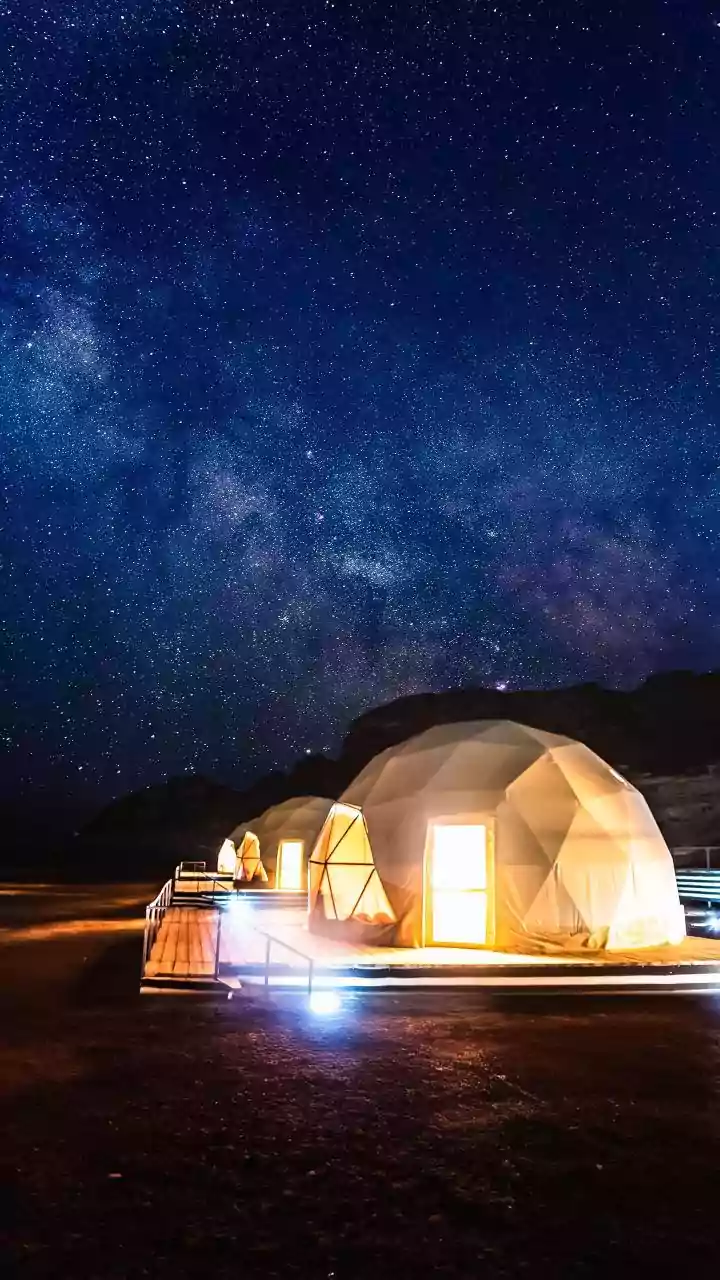
They come seeking something primal and profound: a night sky so packed with stars it feels three-dimensional. This is astro tourism, a travel trend centered on experiencing the night sky free from the glare of artificial light. For decades a niche pursuit
for amateur astronomers, it has surged into the mainstream. Travelers are now booking trips to certified ‘Dark Sky Parks’ and remote towns not for what’s there during the day, but for what is revealed after sunset. In places like Westcliffe, Colorado, or Torrey, Utah—towns with populations in the hundreds—the main attraction isn’t a landmark or a theme park. It’s the cosmos itself, unobscured and brilliant. This desire is fueled by a growing awareness of what has been lost. As cities and suburbs expand, the soft glow of light pollution—sky glow—has crept across the continent, effectively disconnecting millions from a fundamental human experience.
Why the Boom Is Happening Now
Several forces are converging to drive this celestial gold rush. The COVID-19 pandemic accelerated a desire for wide-open spaces and domestic, nature-based travel away from crowded cities. Simultaneously, stunning astrophotography has become a viral staple on social media, with influencers showcasing impossibly starry skies and turning remote landscapes into bucket-list destinations. Advances in digital camera technology make it easier than ever for amateurs to capture these views. Furthermore, organizations like DarkSky International (formerly the International Dark-Sky Association) have spent years formally certifying parks, reserves, and communities. This designation acts as a cosmic Michelin star, giving travelers a clear map of where to find the best night skies and signaling that a community is invested in preserving its darkness. The result is a perfect storm: a population yearning for nature, the tools to document it, and a certified list of places to go.
An Economic Lifeline for Small Towns
For many remote American towns struggling with the decline of agriculture, mining, or manufacturing, astro tourism presents a powerful new economic engine. It offers a way to monetize a natural resource they already have in abundance: nothing. Or, more accurately, the absence of light. In gateway communities near national parks like Capitol Reef in Utah or Big Bend in Texas, new businesses are sprouting. ‘Star-guiding’ services, nighttime photography workshops, and observatories are creating jobs. Hotels that once emptied out after day-hikers left are now seeing bookings from guests who are just arriving. Restaurants are staying open later, and local shops are selling celestial-themed souvenirs. It’s a form of tourism that can extend the season, bring in revenue with minimal initial investment, and foster a unique sense of local pride. For some communities, it’s not just a bonus—it's a lifeline.
Risk of Loving the Dark to Death
But this influx carries a deep irony. The very people flocking to escape light and crowds are bringing both with them. The challenge for these dark sky havens is a classic case of loving a place to death. Increased traffic brings headlights that slice through the darkness. New hotel and housing developments, built to accommodate the tourists, risk creating the very light pollution the area is famous for lacking. In popular spots, trails and viewpoints can become crowded at night, with the glow of countless phone screens and camera displays undermining the immersive experience. There’s also the cultural impact. Small, quiet communities are grappling with a sudden rise in their cost of living, housing shortages as properties convert to short-term rentals, and the strain on infrastructure designed for a much smaller population. The central conflict is managing growth without destroying the golden goose—the pristine darkness itself.