




From Guesswork to Guarantee
The most common culprit behind inconsistent results is how we measure ingredients. For decades, home cooks have relied on volumetric measurements like cups and tablespoons. While convenient, they are surprisingly unreliable. A 'cup of flour' is not a fixed
amount. Depending on whether you scoop it from the bag, spoon it lightly into the cup, or pack it down, the actual weight can vary significantly. One test found that the same one-cup measure could yield between 157 and 201 grams of flour—a difference of nearly 30%. This variance can dramatically alter the outcome of a recipe, especially in baking, where the chemistry between ingredients is crucial for texture and structure. Too much flour can lead to dry, dense cakes and tough cookies, while too little can cause them to spread into thin, greasy crisps.
The Undeniable Case for a Kitchen Scale
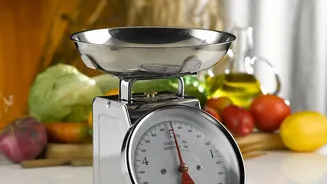
Professional kitchens and bakeries don't leave things to chance; they measure ingredients by weight. A gram is always a gram, regardless of how fluffy or compacted an ingredient is. This is why a digital kitchen scale is the single most transformative tool for a home cook looking for consistency. Using a scale eliminates the guesswork. Instead of dirtying a whole collection of measuring cups, you can place your mixing bowl on the scale, press the 'tare' or 'zero' button, and measure each ingredient directly into the bowl. This not only ensures accuracy but also significantly cuts down on cleanup time. It opens up a world of professional and international recipes that are written in weights, and it makes scaling a recipe up or down a simple matter of multiplication, rather than a fraught exercise in fraction arithmetic.
Beyond Baking: Precision in All Cooking
While precision is non-negotiable in baking, its benefits extend to all types of cooking. Weighing ingredients helps in achieving perfect portion control, whether you're making burger patties, meatballs, or dividing cake batter evenly between two pans for perfectly matched layers. This ensures everything cooks evenly. In savoury cooking, consistency is just as important. If you want your signature soup or sauce to taste the same every time you make it, you need to use the same amount of vegetables, stock, and seasonings. Weighing your components allows you to replicate that balance perfectly. It transforms a dish from a one-time success into a reliable go-to meal you can produce with confidence again and again.
Embrace the 'Mise en Place' Mindset
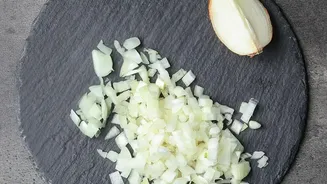
Measuring your ingredients is the first step. The next is organizing them. There’s a French culinary phrase for this: 'mise en place', which literally means “everything in its place”. It refers to the practice of measuring out all your ingredients and preparing your equipment before you even start cooking. This means chopping your vegetables, measuring your spices, and having your tools laid out and ready to go. Adopting this practice reduces stress and chaos in the kitchen, allowing you to focus on the cooking process itself. You won't find yourself frantically chopping an onion while something else is burning on the stove. This state of preparedness is a hallmark of professional chefs and is one of the easiest ways to elevate your home cooking, making the entire process more enjoyable and efficient.