



The Pucker-Up Revolution
After years dominated by the duelling forces of sugary treats and fiery spices, palates are collectively shifting toward something with a bit more bite. Mentions of sour flavours on menus have surged by 15% in the past two years, signalling a clear trend.
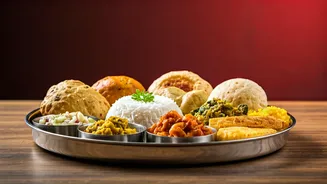
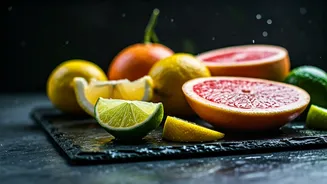
This isn't just about a simple squeeze of lemon; the tangy takeover is complex, drawing on a global pantry of ingredients. We’re seeing the rise of tamarind, a cornerstone of Indian and Southeast Asian cuisine; yuzu, a fragrant East Asian citrus that offers a nuanced alternative to lime; and sumac, a staple in Middle Eastern cooking that provides a tart, almost lemony profile. These ingredients are delivering a more sophisticated and layered acidity that excites the palate in a whole new way.
A Taste for Global and Gut Health
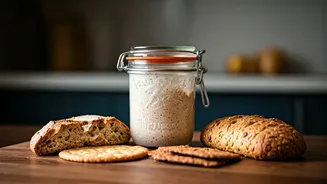
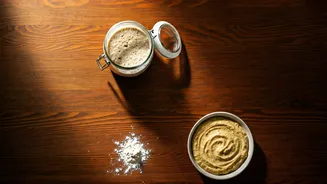
So, why the sudden craving for all things tart? A major driver is our expanding appetite for authentic global cuisines. As diners become more adventurous, they are embracing the foundational sour notes that define many of the world's most beloved food cultures, from Filipino adobo to Korean kimchi. This exploration goes hand-in-hand with a growing wellness focus. The boom in fermented foods like kimchi, sauerkraut, and kombucha is a key part of this trend. Initially sought for their gut-health benefits and probiotic properties, these foods have also conditioned our taste buds to appreciate sourness as a sign of something natural and beneficial. This shift is so pronounced that chefs are leaning into what they call “natural fermented sour” over harsh, “industrial” sour flavours.
How Chefs Are Using Zing
Across India and abroad, chefs are embracing the tangy trend with creativity and precision. The movement is away from overwhelming spice and toward a more balanced, layered approach to flavour. Tangy elements are being used to cut through richness, brighten savoury dishes, and add complexity to desserts and drinks. You'll find it in a strawberry sumac jam accompanying a rich butter cake, a yuzu curd cutting through a sweet sponge cake, or tamarind paired with a hearty roasted pig face. It’s also showing up in hot sauces spiked with yuzu and tamarind, and in complex marinades that tenderise and flavour proteins. Even cocktails are getting a sour makeover, moving beyond simple citrus to include shrubs and unique vinegars.
From Restaurant to Retail
The tangy trend isn't confined to restaurant kitchens; it has firmly landed in our shopping trolleys. Supermarket shelves are now stocked with an array of products that reflect this shift. Think of sparkling beverages flavoured with tamarind or yuzu, sour-coated frozen fruits, and bags of chips seasoned with complex, tangy spices. Even the viral social media 'sour candy salad' trend points to a younger generation’s obsession with tartness. This crossover from niche health food to mainstream snack reflects a broader consumer desire for foods that feel both adventurous and health-conscious. It's a clear sign that tangy isn't just a fleeting fad, but a fundamental flavour that's here to stay, reshaping everything from fine dining to our daily snacks.