


The Power of Neem
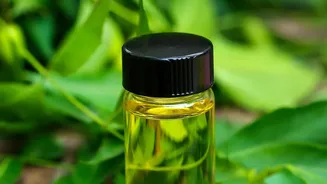
Neem oil, extracted from the seeds of the neem tree (Azadirachta indica), is a cornerstone of traditional agriculture in India for a reason. Its power comes from a compound called Azadirachtin, which works wonders in pest control. It's not a knockdown
poison that kills instantly. Instead, it works in smarter ways: it disrupts insects' hormone systems, stopping them from feeding and reproducing, and it also suffocates soft-bodied pests like aphids and mealybugs on contact. Unlike many synthetic pesticides, insects are less likely to build resistance to neem oil. It's also biodegradable and has a low toxicity for humans and pets when used correctly, making it an excellent choice for home gardens.
Gather Your Simple Ingredients
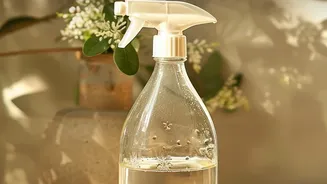
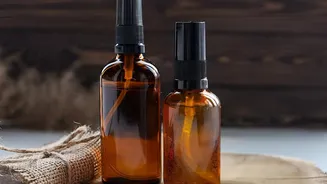
Creating this garden-saving spray requires just a few basic items. First, you'll need high-quality, 100% cold-pressed neem oil. Look for a product that specifically lists Azadirachtin as an active component, as this is the key to its effectiveness; avoid 'clarified hydrophobic extracts' which are far less potent. Second, you need a mild liquid soap, which acts as an emulsifier to help the oil and water mix. Pure castile soap is an excellent choice. Avoid using harsh detergents or dishwashing liquids that contain degreasers, as these can strip the natural oils from plant leaves and cause damage. Finally, you'll need warm water, which helps dissolve the oil and soap, and a clean spray bottle for application.
The Step-by-Step Mixing Guide
Making your spray is simple. This recipe is for a standard one-litre batch, which is ideal for most home gardens as the mixture is best used fresh. For a general-purpose preventative spray, mix 1 teaspoon (about 5ml) of cold-pressed neem oil with ½ teaspoon of liquid castile soap in your spray bottle. First, add the soap to the bottle, then the neem oil. Swirl them together to create a paste. This pre-mixing step is crucial for proper emulsification. Next, fill the bottle with one litre of warm water. Screw the lid on tightly and shake vigorously until the mixture looks milky and uniform. It is important to make a fresh batch before each use, as the oil will begin to separate and the active compounds can degrade within about eight hours.
How to Apply for Best Results
Timing and technique are everything when it comes to applying your neem oil spray. The best time to spray is in the early morning or late evening. Applying the spray in direct, hot sunlight can cause the oil to heat up on the leaves, leading to sunburn and foliage damage. Before you spray an entire plant, always perform a 'spot test'. Apply the mixture to a single leaf and wait 24 to 48 hours to check for any signs of sensitivity or damage. If the leaf looks healthy, you can proceed. Shake the bottle well before you start and continue to shake it every minute or so during application to keep the oil and water mixed. Thoroughly coat all parts of the plant, paying special attention to the undersides of leaves where pests like spider mites and aphids love to hide.
Important Precautions and Tips
While neem oil is a natural product, a few precautions will ensure your plants stay healthy and happy. Avoid spraying very young seedlings, recently transplanted plants, or plants that are stressed from heat or lack of water, as they can be more sensitive. Certain plants with delicate or fuzzy leaves, such as some succulents, fuchsias, or hibiscus, may also react poorly. For an active infestation, you may need to apply the spray every 5-7 days until the pests are gone. For preventative care, a light spraying once every two weeks is usually sufficient. Remember that neem oil works over time, so don't be discouraged if you don't see results overnight. Always wash any sprayed fruits and vegetables thoroughly with water before eating.