




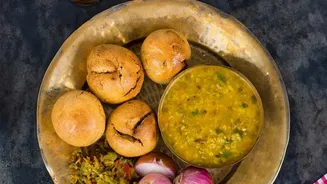
From Street Food to Heirloom Dish
For years, the Indian food festival scene was dominated by a familiar roster of dishes: popular street food, rich curries, and well-known sweets. While delicious, this fare often represented a generalized idea of Indian cuisine. Now, a growing number
of culinary events are curating experiences that dig deeper. They are creating platforms for home cooks and chefs who are passionate about preserving their family's culinary legacy. These festivals are less about quick bites and more about storytelling through food, where a simple dal or a complex curry comes with a history that might span a century. It's a movement that honours the specificity and diversity of India's home kitchens, proving that some of the country's best food isn't found in restaurants, but in family recipe books.
The Keepers of the Kitchen Secrets
The heart of this movement lies with the home cooks—the mothers, grandmothers, and even fathers who are stepping out of their kitchens and into the public eye. For many, sharing these recipes is an emotional act. Take, for example, home chef Gitika Saikia, who has been instrumental in bringing the tribal and mainland dishes of Assam to a wider audience in Mumbai since 2014. She uses ingredients sourced directly from her home state to create authentic dishes like moringa-leaf fish curry, showcasing flavours that are rarely experienced outside of Assamese homes. Similarly, pop-ups and food events focusing on specific communities, like the Bangla Bhojon curated by Iti Misra, introduce diners to nuanced regional dishes that challenge popular perceptions of that cuisine. These cooks are not just feeding people; they are acting as cultural ambassadors, ensuring that precious culinary knowledge doesn’t disappear.
A Taste of History and Heritage
Every heirloom recipe tells a story of a specific time, place, and community. Dishes are often tied to seasons, festivals, and local harvests. For instance, Kerala's Olan, a delicate stew of pumpkin and beans in coconut milk, is traditionally served during the harvest festival of Onam to symbolize prosperity. In Punjab, Amritsari wadi chawal, which features sun-dried lentil dumplings, speaks of a tradition of resourcefulness and food preservation. Festivals celebrating these recipes are vital for their survival. They provide a space where the context behind the food is just as important as the flavour. This renewed focus comes at a critical time, as chefs and food historians note the risk of ancient dishes being forgotten in a fast-paced world.
Why This Trend Is Happening Now
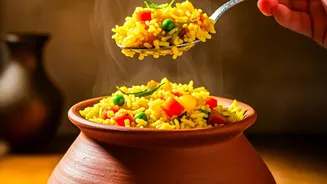
Several factors are fueling this culinary renaissance. A new generation of urban Indians is showing a keen interest in exploring their roots and understanding the diversity of the country's food traditions. Social media has also played a significant role, allowing home cooks to share their stories and dishes with a global audience. Furthermore, there's a growing appreciation for slow food and traditional cooking techniques, which are often gentler and retain more nutrients. Chefs are increasingly looking to the past for inspiration, reviving not just recipes but also ancient methods like cooking in clay pots (mitti ka handi) or the slow-cooking technique of 'Dum Pukht'. This blend of modern curiosity and ancestral wisdom is creating a vibrant space where old recipes are given new life.