



An Ark of Flavour and Survival
In the remote villages of the Himalayas, from Uttarakhand to Himachal Pradesh, survival has always depended on a deep understanding of the land. Long before modern refrigeration, communities developed ingenious methods to preserve the bounty of the short
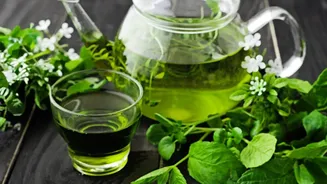
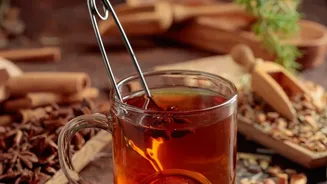
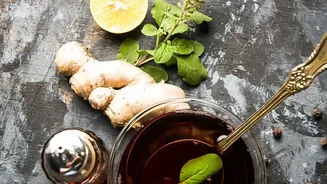
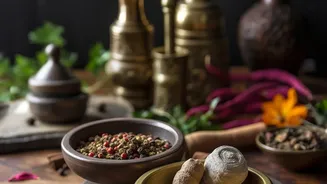
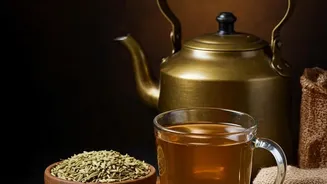
summer months for the harsh, isolating winters. While sun-drying vegetables and fermenting grains are common, the practice of smoking and drying herbs for infusions holds a special place. These are not just teas; they are complex, caffeine-free blends of wild-foraged botanicals like tulsi (holy basil), mint, nettle, and thyme, each handpicked for a specific purpose. This practice transforms seasonal plants into a year-round pantry of flavour and wellness, representing a living archive of survival techniques.
The Purpose Behind the Smoke
Smoking is one of humanity’s oldest preservation techniques, and in the humid, monsoon-prone foothills of the Himalayas, it serves a critical function. The process is not just about adding a smoky flavour; it is a practical method of dehydration that prevents spoilage and mold, ensuring the herbs last through the long, damp winters. This technique allows communities to maintain a supply of medicinal and flavourful plants when fresh options are buried under snow. Furthermore, smoke from specific woods can impart unique aromatic qualities and is believed to have protective properties. In some traditions, the smoke from certain roots is even used to repel insects, showcasing a multifaceted understanding of the local ecosystem.
A Natural Pharmacy in a Cup
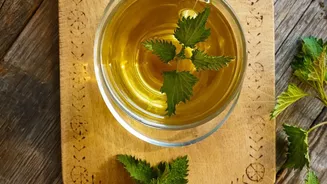
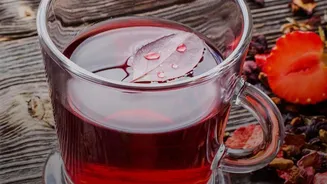
Each herbal infusion is a lesson in Himalayan ethnobotany. For generations, this knowledge has been passed down, detailing which plants soothe a cough, aid digestion, or simply provide comfort. For example, tulsi is revered for its immune-supporting qualities, while mint and lemongrass are cherished for their refreshing and digestive benefits. Nettle, which stings when fresh, becomes a smooth, earthy infusion once dried, used in traditional kitchens for its grounding properties. Other infusions might feature rhododendron flowers, known locally as Buransh, which are celebrated for their antioxidant properties and are made into popular beverages. This wisdom is not abstract; it is a practical guide to local flora, turning the surrounding landscape into a natural pharmacy that has sustained communities for centuries.
A Ritual of Community and Connection
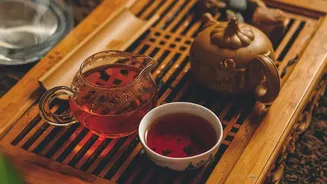
Beyond preservation and health, these beverages are deeply woven into the social fabric of Himalayan life. A warm, steaming pot of herbal tea is a symbol of hospitality, offered to guests as a welcoming gesture that warms both body and soul. These drinks are central to daily routines and communal gatherings, from family meals to local festivals. The act of foraging for herbs, drying them, and brewing a shared pot reinforces community bonds and provides a daily connection to the land and ancestral traditions. In a world where food is increasingly mass-produced, the ritual of preparing a hand-harvested infusion is a conscious act of cultural preservation.
Preserving Wisdom in a Changing World
Today, these ancient practices face pressure from modern lifestyles and readily available commercial products. As younger generations migrate to cities, the intricate knowledge of wild herbs and preservation techniques is at risk of fading. However, there is a growing appreciation for this culinary heritage. Small enterprises and community-led initiatives are working to document and share these traditions, finding a new audience for authentic Himalayan flavours. By supporting these efforts, we do more than just enjoy a unique beverage; we help sustain a vital piece of cultural identity and the ecological wisdom it contains. These infusions are a powerful reminder that the most profound knowledge is often preserved not in books, but in the daily rituals of a community.