


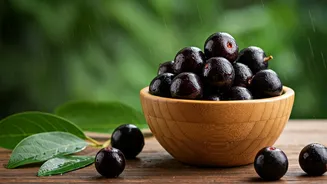


A Purple-Stained Welcome
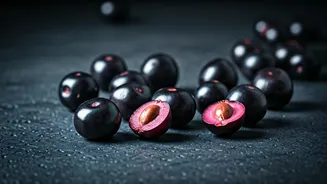
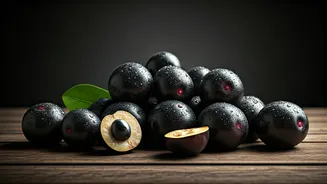
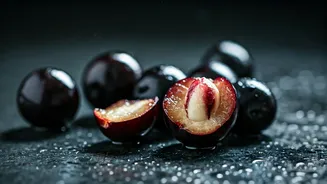
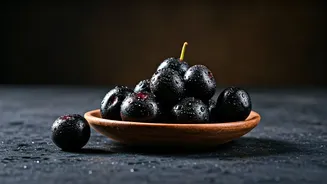
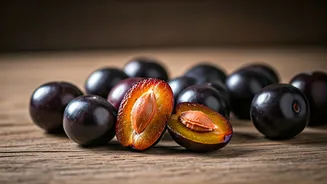
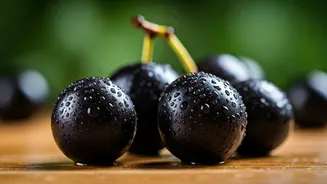
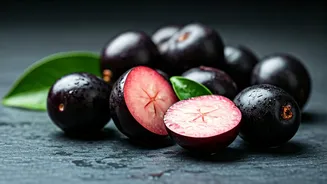
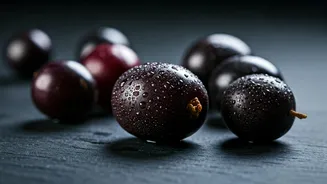
It’s a memory etched in the collective Indian consciousness: a handful of deep purple, almost black, fruits bought from a street vendor, served in a cone of old newspaper, and sprinkled with a pinch of black salt. The first bite is a delightful shock—a
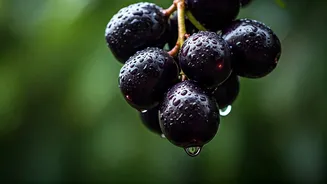
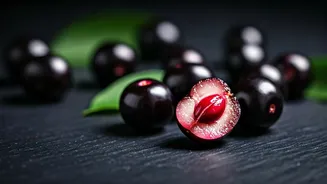
wave of sweetness followed by a distinct tartness and a pleasant, puckering astringency that makes your mouth water. Within minutes, your fingers and tongue are stained a vibrant, tell-tale purple, a badge of honour for anyone indulging in this seasonal delight. The Jamun, also known as black plum or Java plum, isn’t just eaten; it's experienced. It’s the taste of relief from the scorching summer heat, a flavour profile as complex and layered as the monsoon clouds gathering overhead. This sensory explosion is the annual announcement that the season of respite, romance, and renewal has truly begun.
More Than Just a Fruit
For generations, Jamun has been woven into the fabric of Indian life. It’s the fruit of childhood nostalgia, of climbing trees with friends on a rainy afternoon or pooling pocket money to buy a share from the neighbourhood seller. Its arrival signifies a specific, fleeting window in the year, making its enjoyment both a treat and a tradition. In many parts of India, the fruit holds cultural and even religious significance. The Jamun tree is considered sacred in Hinduism and is often associated with Lord Krishna. This deep-rooted connection elevates it from a simple commodity to a cultural touchstone. It represents a link to nature's cycles, reminding us of a time when our diets were dictated by seasons, not by year-round supermarket availability. This fleeting presence makes every bite precious, a temporary gift from nature before it disappears until the next year.
Nature's Monsoon Pharmacy
Beyond its delicious taste, Jamun is a powerhouse of nutrients, traditionally regarded in Ayurveda as a fruit with remarkable medicinal properties. It arrives just as the change in season brings a host of digestive issues and lower immunity, and it’s perfectly equipped to help. Rich in Vitamin C and iron, it helps boost haemoglobin and fortify the immune system. Its astringent properties are known to be beneficial for skin, keeping monsoon-related acne and blemishes at bay. Perhaps its most celebrated benefit is its role in managing blood sugar levels. The fruit and its seeds contain compounds like jamboline and jambosine, which are believed to slow the rate at which sugar is released into the bloodstream. With a low glycemic index, it’s a fruit that individuals managing diabetes are often advised they can enjoy in moderation, making it an inclusive treat for many.
From Street Side to Gourmet Plate
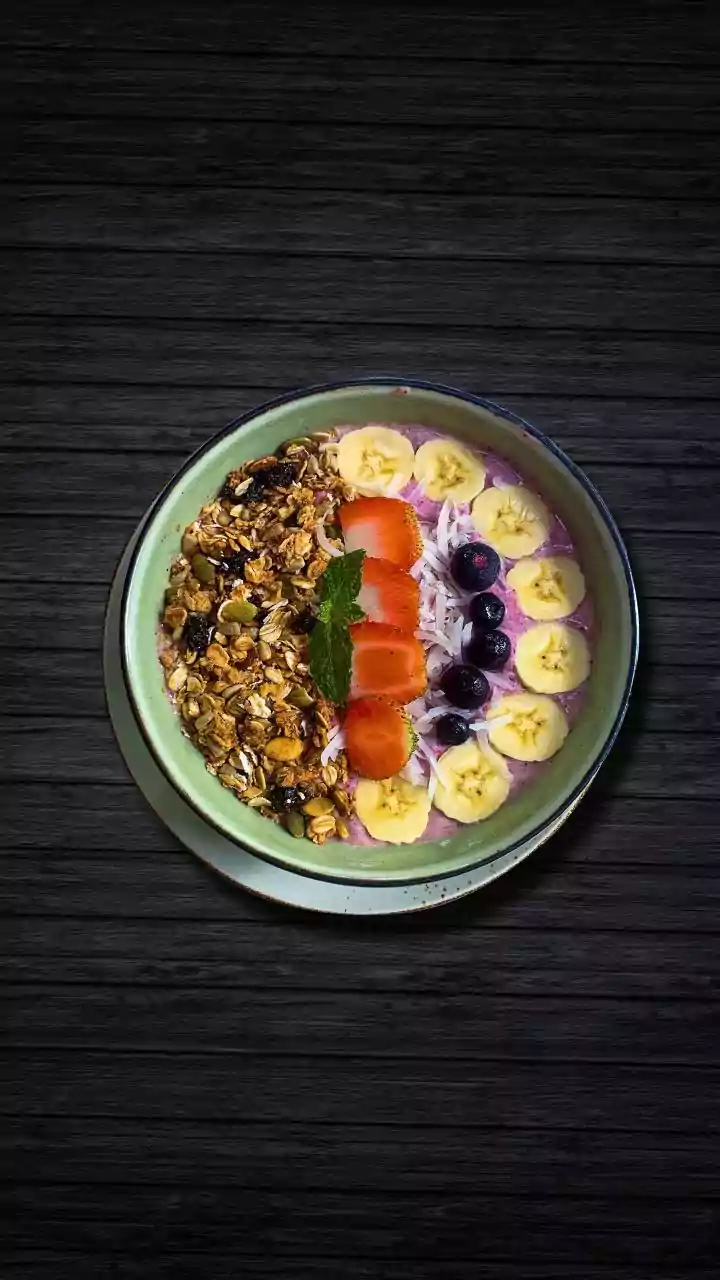
While the classic way to eat Jamun—fresh and with a sprinkle of salt—will never go out of style, the fruit's unique flavour profile has captured the imagination of modern chefs and home cooks. Its beautiful colour and tartness make it a fantastic ingredient in the contemporary kitchen. Today, you can find Jamun making a star appearance in everything from refreshing sorbets and ice creams to tangy vinaigrettes for salads. Health-conscious city dwellers blend it into smoothies or cold-press it for vibrant purple ‘shots’ packed with antioxidants. Mixologists are infusing it into artisanal gins and crafting signature cocktails that offer a uniquely Indian twist. This culinary evolution ensures that the tradition of Jamun is not just preserved but is also being passed on to a new generation in exciting and innovative forms, securing its place on both the street corner and the fine-dining menu.