







A Punjabi Roar at Wembley
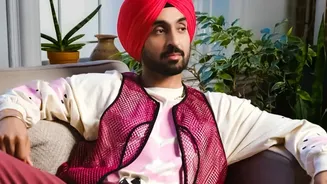
On September 12, 2026, Diljit Dosanjh did more than just perform; he made a statement. Becoming the first Punjabi artist to headline the legendary Wembley Stadium, he greeted the sold-out crowd with a triumphant declaration: “Punjabi Aa Gaye Wembley Oye!”
(The Punjabis have arrived at Wembley!). The show was the European crown jewel of his ‘Aura World Tour,’ a global victory lap that has seen him sell out arenas from North America to Australia. The night was filled with his biggest bhangra-infused pop hits, from 'G.O.A.T.' to 'Lover,' turning the stadium into a colossal dance floor under a sky lit by fireworks. But amid the high-energy production, it was the performance of a timeless classic that truly captured the evening's significance.
The Soul of the Setlist
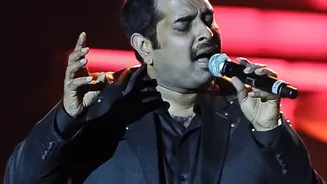
In a move that resonated deeply with fans, Dosanjh paid tribute to the shared musical heritage of Punjab by performing 'Mera Laung Gawacha'. Originally a folk classic popularized by Pakistani singer Musarrat Nazir, the song is a staple of Punjabi culture on both sides of the border. As he performed the beloved track, the stadium, which had been vibrating with modern pop and hip-hop beats, was unified by a melody steeped in tradition. It was a powerful nod to the legends who paved the way, including Nusrat Fateh Ali Khan, whom Dosanjh also honoured during the show. This wasn't just a cover; it was a bridge across generations and nations, performed on one of the world's most iconic stages.
More Than a Melody
The choice to perform 'Mera Laung Gawacha' was a deliberate and poignant one. For an artist who has become a global fashion and music icon, it was a reaffirmation of his roots. Dosanjh has always navigated his stardom with a deep sense of cultural and spiritual identity. In the past, he has gently educated fans on the sacredness of Sikh symbols like 'Ik Onkar' and begun his shows with spiritual shabads. By performing a classic Pakistani Punjabi song, he celebrated a composite, undivided Punjabi culture. It was a moment that transcended entertainment, highlighting how music can preserve heritage and unite a global diaspora. In front of 90,000 people, he wasn’t just Diljit the superstar; he was a custodian of a rich, shared legacy.
A New Chapter for South Asian Artists
Selling out Wembley Stadium is a milestone few artists achieve. For Dosanjh, it was a moment he acknowledged was “very special” not just for him, but for his community and the next generation. He reflected on being told to “think again” before booking such a massive venue, but his drive was to show that “we can do this too!” His success, from Coachella to Wembley, has shattered ceilings for South Asian artists. The ‘Aura’ tour, which followed his cleverly named ‘Dil-Luminati’ tour, has broken sales records, establishing him as a global touring force. His journey from a village in Punjab to the same stage graced by legends like Queen and Michael Jackson is a powerful narrative of ambition, authenticity, and cultural pride.