




Choose Your Path
The end of the road isn't a single destination; it's a category of experiences. Before you invest in gear or pick a spot on the map, decide what kind of adventure calls to you. Are you a trekker, drawn to the silent trails of the Himalayas or the lush
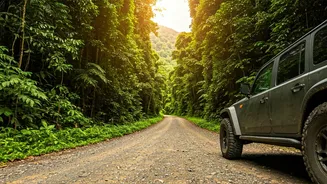
paths of the Western Ghats? Or perhaps you're a bikepacker, wanting the freedom of two wheels on mountain backroads in Himachal or Uttarakhand. Then there's the growing world of overlanding, where a capable 4x4 becomes your home on wheels, perfect for exploring the remote landscapes of Ladakh or the deserts of Rajasthan. Each path requires different skills, gear, and preparation, so identifying your style is the crucial first step. Start with what excites you most, and you're already halfway there.
Gear Up, But Smartly
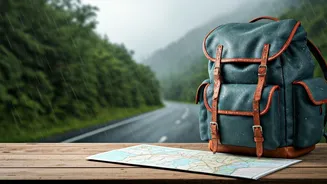
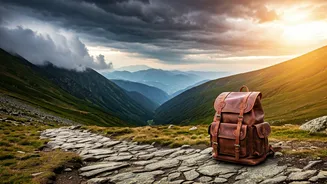
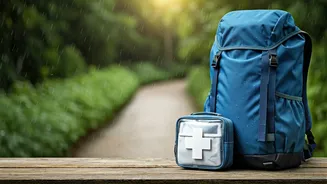
The right gear isn't about having the most expensive equipment; it's about having reliable tools that won't fail you when you need them most. The trinity of outdoor gear is universal: shelter, safety, and sustenance. For a trekker, this means sturdy, broken-in hiking boots, a waterproof jacket, and a reliable backpack. For an overlander, it translates to good all-terrain tyres, a basic recovery kit (tow straps, shovel), and a foolproof navigation system—which can be your phone with offline maps. Don't forget a well-stocked first-aid kit, a powerful torch or headlamp, and a way to carry and purify water. The golden rule is to buy the best you can afford for critical items, especially footwear and safety equipment. Everything else can be upgraded as you gain more experience.
Master the Basic Skills
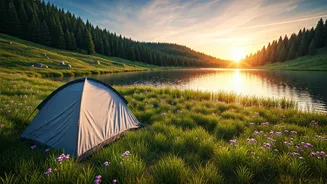
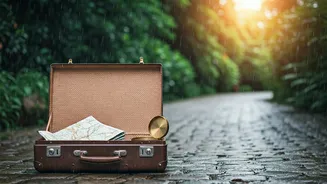
Confidence off-road comes from competence. Before you venture deep into the unknown, master a few essential skills closer to home. First is navigation. Learn to read a map and use a compass, even if you primarily rely on a GPS device. Batteries die, but basic orientation skills are forever. Second, learn basic first aid. Knowing how to clean a wound, treat a sprain, or manage dehydration is non-negotiable. Third, understand your equipment. If you're driving, know how to change a tyre and check your vehicle's fluid levels. If you're hiking, practice setting up your tent in your backyard before you're trying to do it in the rain. Start with short, local day trips to build these skills in a low-risk environment.
Plan Your Route, Not Your Experience
A good adventure requires a good plan. Research your intended route thoroughly. Check for necessary permits, especially in protected areas and border regions. Understand the weather patterns—a pleasant trail in October can be a treacherous snowfield in December. Inform someone reliable about your itinerary and your expected return date. Use resources like Google Earth, specialized forums, and local travel blogs to get a sense of the terrain and potential challenges. However, the beauty of adventure is its unpredictability. Your plan is a safety net, not a rigid script. Be prepared to adapt, change course due to a blocked road or bad weather, and embrace the unexpected detours. Sometimes, the best memories are made when the plan falls apart.
Travel with Respect
Exploring remote places comes with a responsibility to protect them. The golden rule is 'Leave No Trace.' This means packing out everything you pack in, including all your waste. It means not disturbing wildlife and being mindful of your impact on the natural environment. When you pass through remote villages or interact with local communities, do so with humility and respect. Be a guest, not a conqueror. Support local economies by purchasing supplies or hiring local guides when possible. The goal is to leave these beautiful places as pristine—or even better—than you found them, ensuring that the adventure can continue for generations to come.