



Beyond the Smoke Cloud
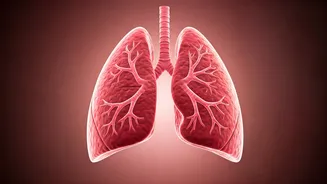
When we think of fireworks pollution, we picture the thick smoke that blankets cities during festivals like Diwali or New Year's Eve. This smoke is packed with fine particulate matter, known as PM2.5, which can penetrate deep into our lungs and cause
respiratory and cardiovascular problems. During celebrations in India, these particle levels can surge dramatically. But this visible haze is just the beginning of the story. The chemical reaction that produces the dazzling lights also releases a cocktail of harmful gases like carbon monoxide and sulphur dioxide. While these immediate effects on air quality are serious, they mask a more persistent and insidious form of pollution.
A Chemical Cocktail Falls to Earth
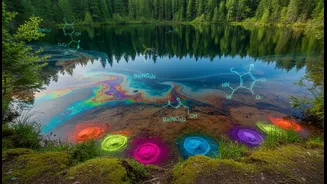
To create their vibrant colours, fireworks rely on a range of heavy metals. Strontium produces red, barium creates green, and copper makes blue. These metals, along with other chemical compounds, don't simply vanish when the smoke clears. Instead, they fall back to earth as dust and debris. One of the most significant concerns for scientists is a chemical called perchlorate, which is used as an oxidiser to help propel the fireworks. This highly soluble chemical, along with heavy metals, settles on the ground, buildings, and vegetation, beginning a journey into the wider ecosystem.
The Contamination of Soil and Water
Once on the ground, these chemical residues don't stay put. Rainwater washes them into our soil and water systems. Studies have shown that soil and water samples taken after fireworks displays have elevated concentrations of perchlorate and various metals. Perchlorate is particularly problematic because it persists in the environment for long periods and can contaminate drinking water supplies. High levels of perchlorate can interfere with the human thyroid gland. The contamination also affects soil health, altering its chemical balance and potentially harming plant life. The debris also contributes to plastic pollution; one study on the River Thames found that microplastic content in the water increased by over 1000% after a New Year's Eve show.
A Threat to Wildlife and Ecosystems
The impact on wildlife is twofold: the immediate stress from noise and light, and the long-term poisoning from chemical fallout. The loud explosions can reach up to 137 decibels, causing panic in birds, pets, and other animals. This can lead them to abandon nests, flee into dangerous areas, or even die from stress. The bright, artificial lights can disorient nesting sea turtles and their hatchlings. Furthermore, as heavy metals and perchlorates accumulate in water bodies, they become toxic to aquatic life, affecting fish development and the health of the entire food web. The plastic and paper debris left behind also poses a direct ingestion and entanglement risk to animals.