




Why Rolling Works Wonders
The great debate between rolling and folding has valid points on both sides, but for saving space with many common garments, rolling is a clear winner. Tightly rolling clothes compresses the fabric and squeezes out the air pockets that bulky, folded stacks
create. This allows you to fit more items into your bag. Beyond just saving space, rolling can also significantly reduce creasing. Instead of creating hard fold lines that set into the fabric, rolling creates softer, more distributed pressure, meaning fewer wrinkles to deal with upon arrival. This technique is so effective that it's used by everyone from seasoned flight attendants to members of the military to keep clothes compact and neat.
The Art of the Perfect Roll
Mastering the roll is simple. The key is to start with a smooth surface and roll tightly and consistently. For a t-shirt, lay it flat, fold the sleeves in, and then roll it snugly from the bottom hem up to the collar. For pants, lay them flat, place one leg on top of the other, and then roll tightly from the waistband down to the cuffs. The goal is to create a compact, sausage-like shape that won’t easily unravel. A crucial step often missed is to smooth out any existing wrinkles on the garment before you start rolling; the technique prevents new wrinkles but won't magically remove ones that are already there.
What to Roll and What to Fold
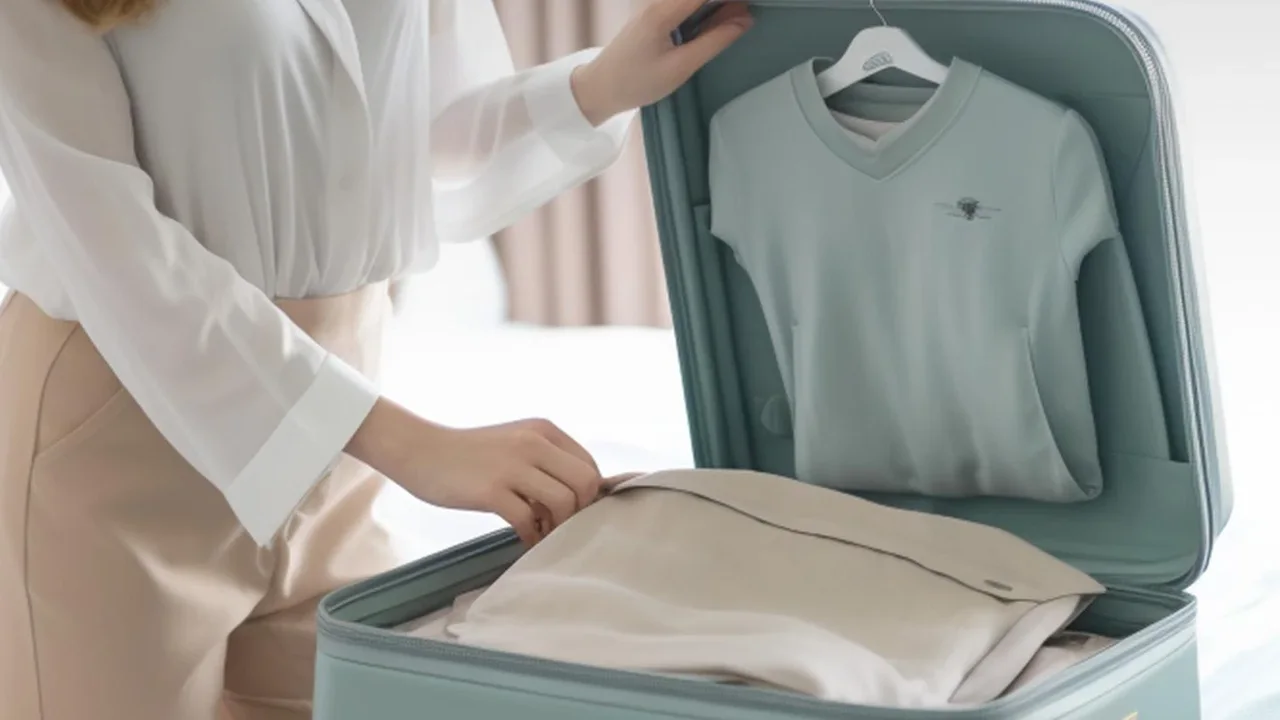
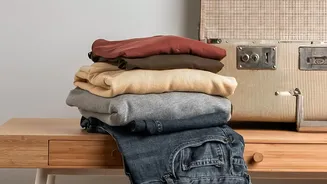
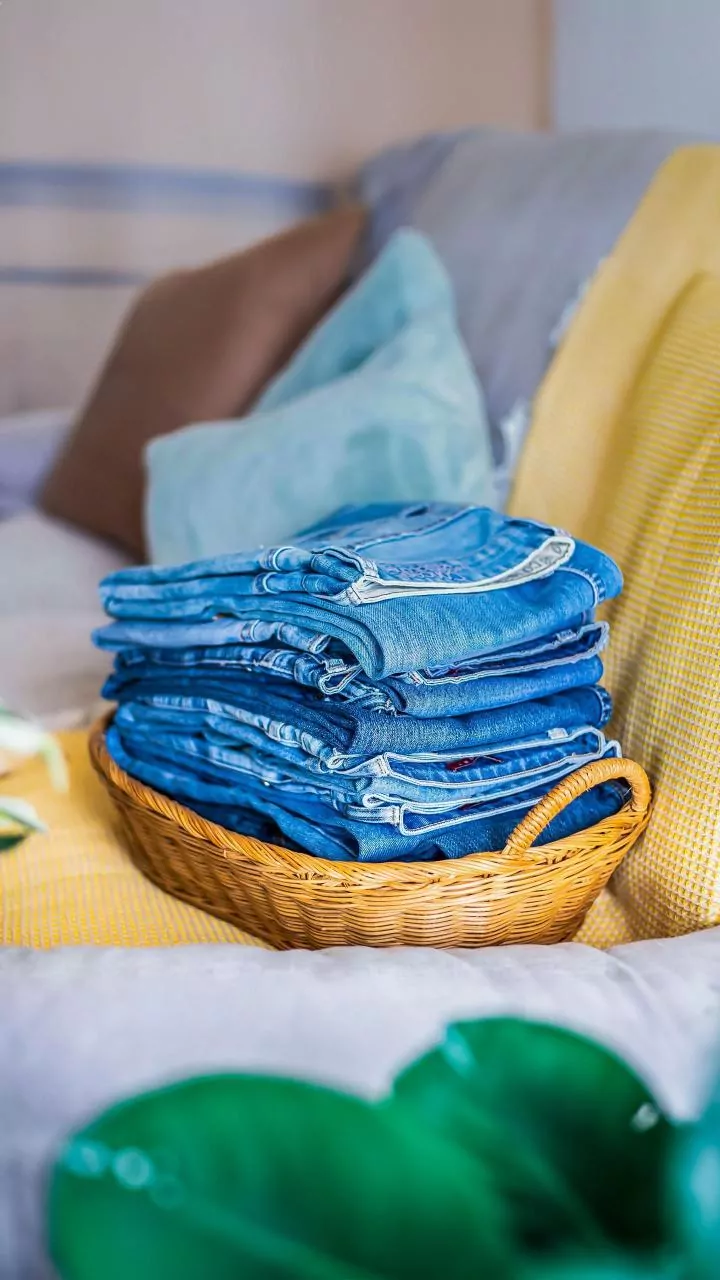
Rolling is not a one-size-fits-all solution. It works best for lightweight and synthetic fabrics like t-shirts, workout clothes, jeans, casual dresses, and knitwear. These materials are less prone to wrinkling and compress well. However, some items are better off folded. Bulky garments like thick sweaters or heavy jackets can actually take up more space when rolled. Structured or formal items, such as blazers, tailored trousers, and crisp button-up shirts, should also be folded neatly to maintain their shape and avoid unwanted creasing. Fabrics like cotton and linen, which wrinkle very easily, often benefit more from careful folding. The most effective packing strategy often involves a hybrid approach: roll the casual items and fold the delicate or bulky ones.
Packing a Four-Day Carry-On
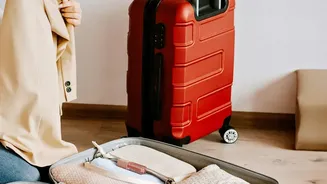
For a four-day trip, efficiency is everything. Start by laying out your essentials: a few tops, a pair of trousers or jeans, perhaps a dress or skirt, underwear, and sleepwear. Roll each of the suitable items tightly. You'll notice immediately that the rolled items can be arranged more flexibly in your bag, filling in gaps and corners that folded clothes would leave empty. Many travelers find they can see all their items at a glance without having to dig through layers. For enhanced organization, consider using packing cubes. Placing your rolled clothes inside these cubes keeps them compressed and tidy, preventing them from unrolling in transit. Place heavier items, like shoes (stuffed with socks to save even more space), at the bottom of your bag, and arrange your rolled clothing cubes in the middle.
Beyond the Basics: Advanced Techniques
Once you've mastered rolling, you can incorporate other expert methods for the items you've left to fold. For particularly wrinkle-prone items like a blazer, the 'bundle wrapping' method is highly effective. This technique involves wrapping multiple garments around a central core object, like a small pouch. Because the clothes are curved around a core instead of being folded, it eliminates sharp creases. Another pro tip is using tissue paper. Placing a sheet of acid-free tissue paper between folds of delicate fabrics, like silk blouses or dress shirts, reduces friction and helps prevent wrinkles from forming while your bag is in motion.